German Riesling Producers by Region: Benchmark Estates to Know
Updated August 2026. Germany has far more excellent Riesling estates than any useful “best producers” list can hold. This guide uses benchmark to mean estates that are especially instructive for understanding a region, vineyard style, classification tier or winemaking approach. It is a learning and buying map, not a numerical ranking.
If you are new to German Riesling, start with the producer and the region together. A bottle from Joh. Jos. Prüm teaches a different part of the Riesling spectrum than a dry wine from Von Winning or Ökonomierat Rebholz. The links below lead to canonical winery pages so you can move from this overview into estate-level detail.
German Riesling producers to know by region
| Region | Producer | Useful reference point |
|---|---|---|
| Mosel / Saar | Egon Müller | Scharzhofberger; classic Saar Prädikat and noble-sweet Riesling |
| Mosel | Joh. Jos. Prüm | Wehlener Sonnenuhr and Graacher Einzellagen; traditional Mosel fruit-sweet styles |
| Mosel | Willi Schaefer | Graach; small-estate reference for precise Mosel Riesling |
| Mosel | Dr. Loosen | Broad range across major Middle Mosel Devonian slate sites; useful first producer for comparative tasting |
| Mosel | Markus Molitor | Large dry-to-sweet range; useful for comparing styles under one producer |
| Ruwer / Mosel | Maximin Grünhaus | Historic Ruwer estate and monopole vineyard context |
| Mosel | Fritz Haag | Brauneberg and Juffer Einzellagen |
| Saar / Mosel | Forstmeister Geltz-Zilliken | Saarburger Rausch; classic Saar reference |
| Saar / Mosel | Van Volxem | Dry and off-dry Saar wines from multiple classified sites |
| Rheingau | Robert Weil | Kiedrich Gräfenberg and a 100% Riesling estate model |
| Rheingau | Schloss Johannisberg | Historic Riesling estate and single-vineyard context |
| Rheingau | Peter Jakob Kühn | Biodynamic Oestrich Riesling and Demeter certification |
| Rheingau | Georg Breuer | Rüdesheim and dry Rheingau Riesling |
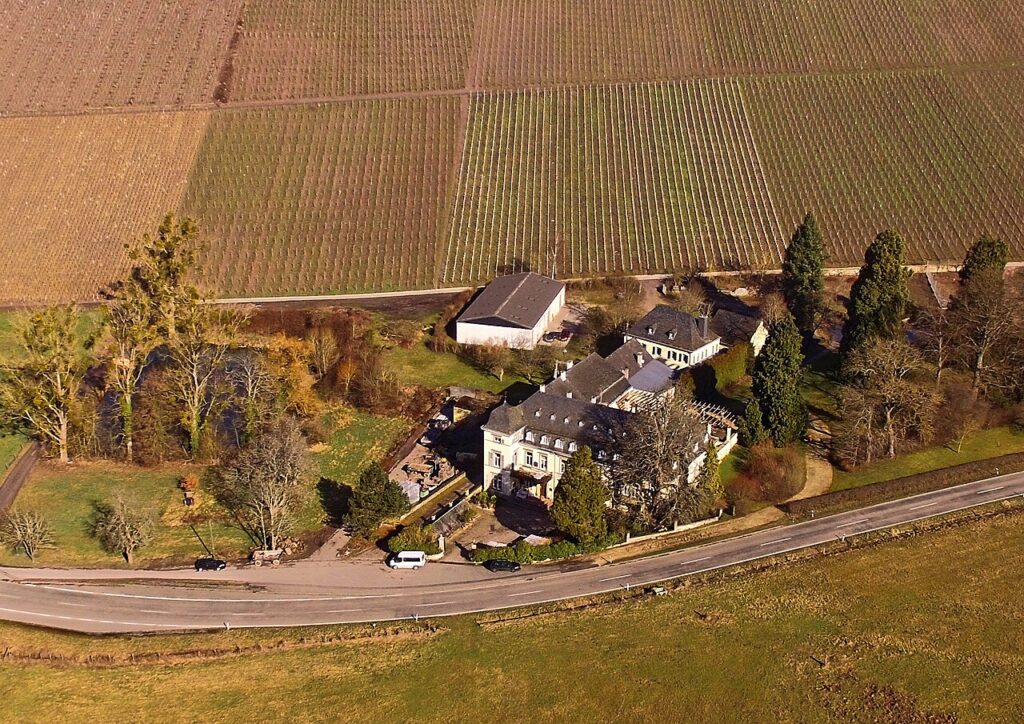
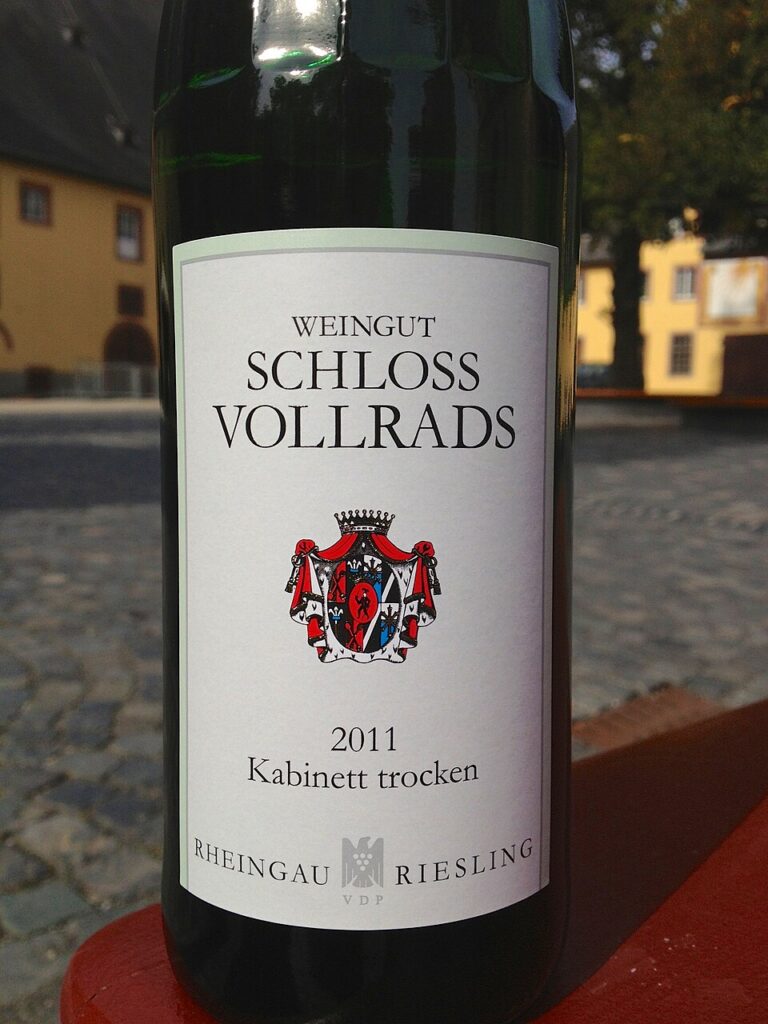
| Rheingau | Schloss Vollrads | Historic Winkel estate focused on Riesling |
| Nahe | Dönnhoff | Regional benchmark for site contrast across varied Nahe geology |
| Nahe | Emrich-Schönleber | Monzingen, Halenberg and Auf der Ley |
| Nahe | Schäfer-Fröhlich | Bockenau and spontaneous-fermented dry Riesling |
| Rheinhessen | Keller | Limestone-driven Rheinhessen and highly sought-after dry Riesling |
| Rheinhessen | Wittmann | Westhofen, organic/biodynamic farming and dry Riesling |
| Rheinhessen | Kühling-Gillot | Roter Hang sites including Pettenthal and Rothenberg |
| Pfalz | Dr. Bürklin-Wolf | Dry Pfalz Riesling and biodynamic farming |
| Pfalz | Von Winning | Deidesheim and Forst; dry Riesling with distinctive Stückfass cellar choices |
| Pfalz | Reichsrat von Buhl | Historic Deidesheim/Forst estate and dry Riesling |
| Pfalz | Ökonomierat Rebholz | Siebeldingen; dry, organic/biodynamic wines from Buntsandstein and Muschelkalk soils |
Where should a beginner start?

Do not start with the rarest bottle. Start with an estate or village wine from a strong producer, then move to a classified Einzellage from the same estate.
That gives you a controlled comparison: the producer stays constant while origin becomes more specific.
- For light, lower-alcohol Mosel styles, begin with Joh. Jos. Prüm, Willi Schaefer, Fritz Haag or Zilliken.
- For dry Rheingau Riesling, compare Robert Weil, Georg Breuer and Peter Jakob Kühn.
- For site-driven Nahe Riesling, taste Dönnhoff, Emrich-Schönleber and Schäfer-Fröhlich side by side.
- For dry Rheinhessen, compare Keller, Wittmann and Kühling-Gillot.
- For broader dry Pfalz styles, start with Dr. Bürklin-Wolf, Von Winning, Reichsrat von Buhl or Ökonomierat Rebholz.
If regional differences are still unclear, use the German Riesling regions guide first. Then return here and choose one estate from each core region.
How to buy across a producer’s range

Many German estates bottle several levels of origin and style. You do not need a price chart to understand the logic.
For VDP members, the hierarchy runs from VDP.Gutswein through VDP.Ortswein, VDP.Erste Lage and VDP.Grosse Lage. A dry wine from a Grosse Lage is called VDP.Grosses Gewächs (GG) under VDP rules.
| Your goal | Good starting tier | Why |
|---|---|---|
| Learn the producer | Estate / Gutswein | Shows house style without paying for the most specific origin |
| Compare villages | Ortswein | Narrows the origin while remaining easier to find than top-site bottlings |
| Study vineyard differences | Erste Lage / Grosse Lage or equivalent site wines | Lets you compare specific origins within the same producer |
| Learn Prädikat styles | Kabinett, Spätlese or Auslese from a producer known for fruity wines | Shows how grape ripeness, Oechsle at harvest, sweetness and acidity interact — Prädikat is not a fixed sweetness ladder |
For classification details, including the 2026 statutory origin changes, use our German Riesling label guide and GG vs Grosse Lage explainer.
VDP membership does not mean organic

The VDP is a private association built around origin and quality rules. Its association-wide sustainability-certification agenda was completed by 2025, but that does not make every member estate organic.
VDP’s 2026 reporting shows 82 estates farming 40.3% of VDP vineyard area organically, or still in conversion.
Check each winery profile for its actual farming certification. Current VDP records list Robert Weil as EU organic certified, Peter Jakob Kühn as Demeter and EU organic certified, and Ökonomierat Rebholz with both EU organic and biodynamic certifications.
VDP estate vs cooperative: neither label is a quality verdict

A VDP estate is an independent member of the VDP and follows that association’s rules. A Winzergenossenschaft is a cooperative owned by growers who pool grapes and production.
Cooperatives range from everyday regional bottlings to serious site-specific wines. “Cooperative” should never be shorthand for low quality.
Do capsule colors tell you sweetness?
Only when you know the producer’s own system. Some estates use capsule colors to distinguish styles or bottling series, but the colors are not a universal German standard. Do not transfer one producer’s color code to another estate.
Use regulated wording such as Trocken or Feinherb, producer technical data and the German Riesling sweetness guide when sweetness matters.
Explore the winery database by region

The story layer connects directly into the site’s winery entities. Use the German wineries directory for estate-level research, then move into canonical region pages for Mosel, Rheingau, Nahe, Rheinhessen and Pfalz.
To turn your producer research into a visit, use our regional wine-trip and tasting planner. Keep named-estate appointments separate from regional tours: a booking does not promise access to the producers listed here.
Frequently asked questions

Who makes the best German Riesling?
There is no defensible single winner across all styles. Egon Müller and Joh. Jos. Prüm are reference points for classic Mosel/Saar Prädikat wines; Dönnhoff, Emrich-Schönleber and Schäfer-Fröhlich are major Nahe references; Robert Weil is a key Rheingau estate; Keller and Wittmann are central to modern Rheinhessen; and Dr. Bürklin-Wolf, Von Winning and Rebholz are important dry-Pfalz references.
Which German Riesling producer is easiest for beginners?
Choose a producer with a clear range and bottles you can actually find. Dr. Loosen, Robert Weil, Dönnhoff, Wittmann and several others offer entry-level wines that lead naturally into village and site-specific bottlings.
Should I buy the most expensive bottle from a famous estate?
Not for learning. A producer’s estate wine or village wine often provides more information per euro because you can compare it with the next tier up. Rare auction wines and trophy bottlings answer a different collector question.
Primary sources and database notes
- VDP current estate directory
- VDP classification
- VDP 2026 situation report
- Individual winery pages on Germany Rieslings link to current estate or VDP source material where available.
Germany Rieslings Editorial Team
German Wine Editorial ReferenceResearched, structured, and fact-checked against official Deutsches Weininstitut (DWI) documentation, German Federal Wine Law (Weingesetz), and VDP.Die Prädikatsweingüter standards.