Egon Müller
Estate Overview & Philosophy
Egon Müller – Scharzhof is a Riesling-only VDP estate in Wiltingen on the Saar, led by Egon Müller IV. Its most celebrated wines come from Scharzhofberg, but that vineyard is not an Egon Müller monopole: several estates own and farm parcels there.
The estate’s reputation can make its labels feel more complicated than they are. Three distinctions matter: origin, Prädikat and exact bottling. Scharzhof is the entry wine, Scharzhofberger names the famous vineyard, and Wiltinger Braune Kupp identifies a separate Saar site. Scarcity and auction prices are market facts — not guarantees that any given bottle suits your palate.
Egon Müller at a glance
| Official name | Egon Müller – Scharzhof |
|---|---|
| Base | Wiltingen, Saar |
| Owner and cellarmaster | Egon Müller |
| Foundation of the present estate | 1797 |
| Current VDP vineyard area | 12.3 ha |
| Grape variety | 100% Riesling |
| VDP.Grosse Lage sites | Scharzhofberger, Braune Kupp and Kupp |
| Cellar-door sales | None listed by the VDP |
A family estate since 1797
The estate’s present form dates to 1797, when Jean-Jacques Koch acquired the Scharzhof following secularization under French rule. Koch died in 1829, and the property split among his seven children. His daughter Elisabeth married Felix Müller, bringing the Müller name into the family line.
A later marriage helped reunite the fractured estate. In 1887, Egon Müller I married Therese Tuckermann, whose father financed the purchase of a share from Egon’s sister. The family championed its Rieslings at international exhibitions, earning major recognition at the Paris exposition of 1900.
War left the vineyards in ruinous condition. When Egon Müller III returned in 1945, the estate’s 7.4 hectares yielded just 1,200 litres that harvest. In 1954 he acquired and leased the Le Gallais holdings in Wiltinger Kupp and Braune Kupp. Egon Müller III and IV worked side by side from 1985 to 1991; Egon Müller IV has led the estate ever since.
Scharzhofberg: famous, classified and shared
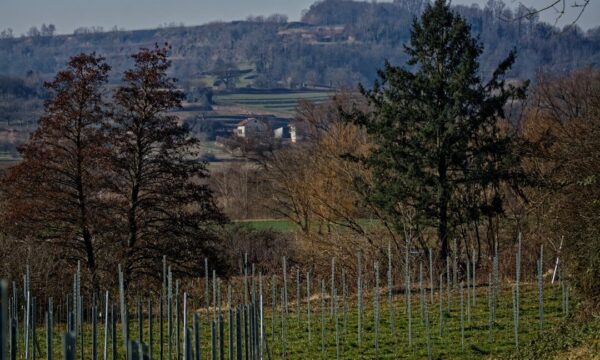
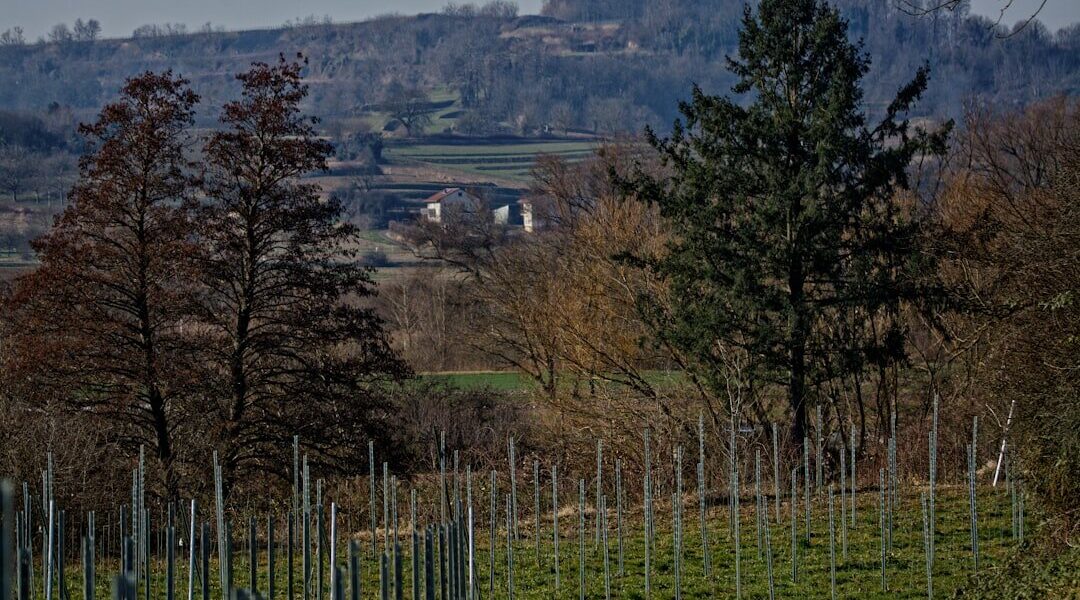
Scharzhofberg is a VDP.Grosse Lage east of Wiltingen. The VDP records Devonian slate, greywacke, and grey and red slate soils, with south-southeast to south-southwest exposure, elevations of 216 to 300 metres and gradients of 20% to 60%.
These physical facts explain the site’s cool, exposed character. They do not dictate a single fixed aroma across every vintage.
The crucial correction is this: Scharzhofberg is not a monopole. The current VDP record lists multiple growers, including Egon Müller, Reichsgraf von Kesselstatt, Stiftungsweingut Vereinigte Hospitien and Van Volxem. A bottle must be identified by producer as well as vineyard, vintage and Prädikat.
Scharzhof, Scharzhofberger and Braune Kupp
Scharzhof Riesling is the estate’s entry point, not a synonym for Scharzhofberg. The official wine guide states it draws on estate vineyards in Saarburg and Oberemmel and the Wiltingen sites Braunfels and Kupp. Depending on the vintage’s quality and yield, Braune Kupp or Scharzhofberg fruit may also find its way in.
Scharzhofberger and Wiltinger Braune Kupp are the estate’s two named-site Prädikat lines. The producer describes Braune Kupp as the warmer, fuller, more spice-driven of the pair, with Scharzhofberg leaning cooler and toward finesse. Treat these as the producer’s own characterizations, then compare bottles from the same vintage and Prädikat yourself.
The VDP also lists Wiltinger Kupp among the estate’s Grosse Lage origins. Origin names can surface within different classification and style contexts, so check the exact label rather than assuming every Kupp reference points to the same bottling.
How to read the Prädikat wines
Kabinett, Spätlese, Auslese, Beerenauslese, Trockenbeerenauslese and Eiswein describe legally defined harvest categories based on must weight (Oechsle) at picking. They do not form a universal sweetness scale across German wine as a whole.
At this estate, the official guide describes the Kabinett wines as fruit-sweet in style, typically 7% to 10% alcohol — though exact alcohol, residual sugar and acidity shift with each vintage and bottling.
The estate selects progressively riper or more concentrated fruit for Spätlese and Auslese. Beerenauslese and Trockenbeerenauslese demand stricter berry selection and appear only when conditions permit. Eiswein depends on grapes freezing on the vine and is not made every year. Never assume a rare category exists in a given vintage without checking the current release list.
How to buy and compare Egon Müller Riesling
- Start with Scharzhof. It introduces the estate without pretending to be a single-vineyard wine.
- Match category and vintage. Compare Scharzhofberger Kabinett with Braune Kupp Kabinett from the same year — not with an Auslese from another vintage.
- Read the full label. Producer, site, vintage, Prädikat, AP number and any auction marking distinguish bottlings that may look similar online.
- Check current technical data. Alcohol and sweetness vary; retailer shorthand is no substitute for the producer’s own sheet.
- For mature bottles, prioritize provenance. Fill level, closure, storage history and seller reputation matter more than a generic drinking window.
Rare auction wines can command exceptional prices, but an auction result is not a drinking recommendation or an investment forecast. Buy according to style and condition. If you’re new to the producer, one correctly stored Scharzhof or Kabinett will teach you more than a headline about a record-setting TBA.
Visiting and availability
The current VDP directory explicitly lists no sales at the winery. The estate provides a store locator and contact details on its official website. Availability, allocations and merchant relationships shift, so confirm them directly rather than relying on an outdated travel guide or marketplace listing.
Reviewed Estate Bottlings & Tasting Archive
Explore detailed tasting reviews, vintage evaluations, and vineyard profiles for benchmark bottlings from this estate:
- 2017 Egon Müller Scharzhofberger Auslese
- 2021 Egon Müller Scharzhof Scharzhofberger Kabinett
- 2021 Egon Müller Braune Kupp Riesling Kabinett
- 2021 Egon Müller Braune Kupp Riesling Spätlese
- 2015 Egon Müller Braune Kupp Riesling Spätlese
- 2021 Domane Serrig Vogelsang Grosse Lage
- 2021 Domane Serrig Vogelsang Kabinett
Sources
- Egon Müller: official estate history
- Egon Müller: official wine guide
- Egon Müller: official vineyard guide
- VDP: current Egon Müller – Scharzhof profile
- VDP: Scharzhofberger vineyard record
Profile checked against the linked primary sources in August 2026. Vineyard, release and visitor details can change.
Frequently asked questions
Is Scharzhofberg a monopole of Egon Müller?
u003cpu003eNo. Egon Müller is closely associated with Scharzhofberg, but the vineyard has multiple owners. The VDP vineyard record also lists Reichsgraf von Kesselstatt, Vereinigte Hospitien and Van Volxem among the growers working there.u003c/pu003e
Is Egon Müller a VDP member?
u003cpu003eYes. The current VDP directory lists Egon Müller – Scharzhof as a member estate and classifies Scharzhofberger, Braune Kupp and Kupp as VDP.Grosse Lage origins.u003c/pu003e
What is the difference between Scharzhof and Scharzhofberger Riesling?
u003cpu003eScharzhof is the estate’s entry wine and can combine grapes from Saarburg, Oberemmel, Wiltinger Braunfels and Kupp, with other estate fruit possible depending on the vintage. Scharzhofberger identifies wine from the Scharzhofberg vineyard.u003c/pu003e
Does Egon Müller make only Riesling?
u003cpu003eYes. Both the estate and the current VDP profile state that the winery grows and bottles 100% Riesling from estate-owned or estate-farmed vineyards.u003c/pu003e
Can you buy wine at the Egon Müller estate?
u003cpu003eThe current VDP listing says there is no cellar-door sale. Use the estate’s official store locator or an authorized specialist merchant, and verify provenance carefully when buying older bottles.u003c/pu003e
Benchmark Estate Bottlings
Wines from Egon Müller in our catalog
2015 Egon Müller Braune Kupp Riesling Spätlese
2017 Egon Müller Scharzhofberger Auslese
2018 Egon Müller Scharzhofberger Auslese

2020 Egon Müller Braune Kupp Riesling Spätlese Scharzhof
2020 Egon Müller zu Scharzhof Scharzhofberger Spätlese


2021 Domane Serrig Vogelsang Kabinett