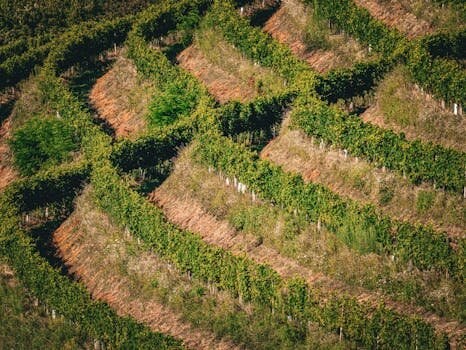
Riesling (approximately 62% of vineyard area; 2025 DWI data)
Mosel
The Mosel region spans the Mosel, Saar and Ruwer valleys. Compare Riesling styles, vineyard origins and sweetness terms before choosing a bottle…
German Riesling is a white wine made from Riesling grapes grown in Germany, in styles from dry to sweet. Explore the regions, decode the label and compare producers and vintages with sources you can check.
The Mosel region spans the Mosel, Saar and Ruwer valleys. Compare Riesling styles, vineyard origins and sweetness terms before choosing a bottle…
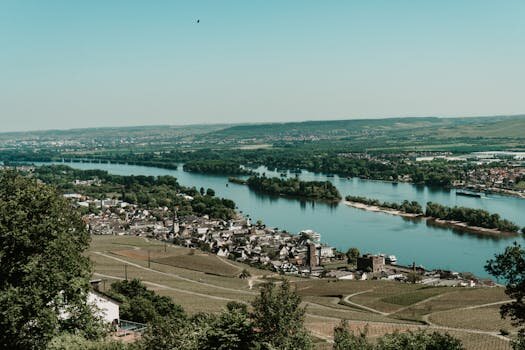
Rheingau Riesling ranges from dry vineyard wines to historic late-harvest styles. Compare Rhine-side towns, estates and Assmannshausen Spätburgunder.
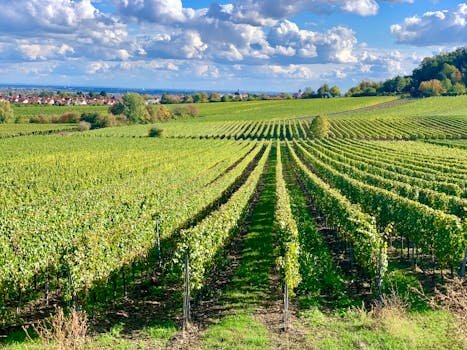
Pfalz is a major home for dry Riesling and the Deutsche Weinstraße. Compare Mittelhaardt and Südliche Weinstraße wines, villages and labels.

Rheinhessen has both broad wine variety and acclaimed Riesling sites. Explore Nierstein red slopes, Westhofen limestone vineyards and regional Silvaner.
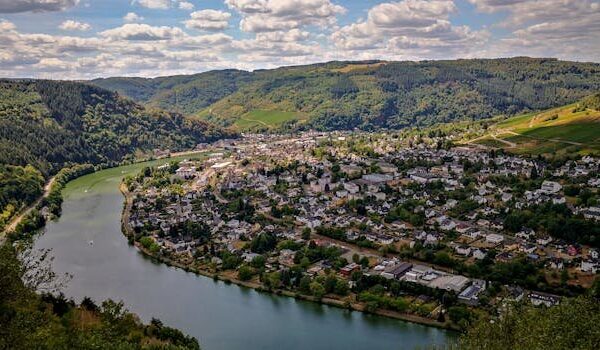
Nahe Riesling changes with its varied volcanic, sandstone and slate sites. Compare Niederhausen, Monzingen and other villages before choosing a bottle.
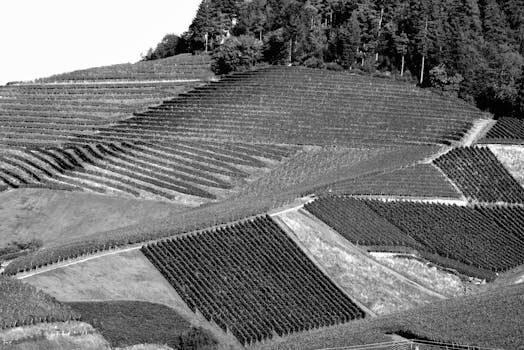
Baden spans nine wine districts, from Ortenau Riesling to Kaiserstuhl Pinot. Learn where Klingelberger fits and how to plan a focused wine…
Sweetness, Prädikat and origin are separate systems. A wine can be a dry Kabinett from a Grosse Lage; no single word tells you all three.
Up to 4 g/L residual sugar, or up to 9 g/L when sugar stays within 2 g/L of total acidity.
Learn Trocken →Halbtrocken has a legal limit (12 g/L, or 18 g/L with enough acidity). Feinherb has no fixed band.
Learn Feinherb →Set by must weight at harvest, not by finished sweetness. Kabinett and Spätlese are often made dry.
Learn Prädikat →VDP site classifications sit alongside, not inside, German wine law. A GG is a dry wine from a Grosse Lage.
Learn Classification →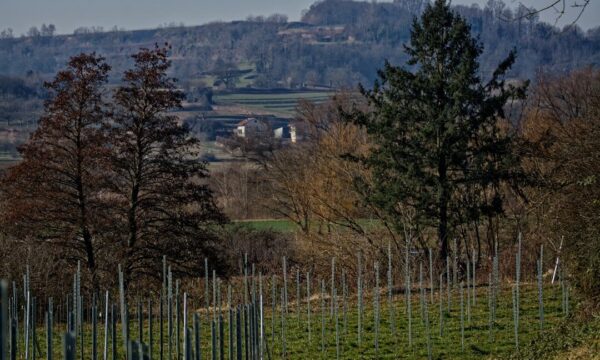
Bercher farms the Kaiserstuhl around Burkheim, with Pinot Noir, Pinot Gris and Pinot Blanc at the center. See how Feuerberg…
Bürgerspital links its Würzburg wine estate to a charitable foundation. Compare Silvaner and Riesling from Stein, Stein-Berg and Stein-Harfe.
Clemens Busch farms the Marienburg slope above Pünderich. Its Rieslings trace named parcels within one Mosel vineyard and certified biodynamic…
Dönnhoff works across varied Nahe Riesling sites, from Hermannshöhle and Felsenberg to the small Brücke monopole. Explore dry and Prädikat…
Dr. Bürklin-Wolf makes biodynamically farmed Pfalz Riesling from Wachenheim, Forst and Deidesheim. Compare its sites and P.C. and G.C. labels.
Dr. Loosen makes Riesling across the Middle Mosel, from Wehlener Sonnenuhr to Ürziger Würzgarten. Compare vineyard, sweetness and tier.

Moscato d’Asti is gently sweet and lightly fizzy; Riesling can be dry, off-dry or sweet. Compare acidity, label terms and food pairings…

Kabinett and Spätlese describe grape ripeness, not finished sweetness. Compare the Prädikat levels, read dryness cues, and choose a bottle for your…

What sustainability means for German Riesling in 2026: VDP certification, organic and biodynamic farming, Fair’n Green and other seals, steep-slope vineyard practices,…
Rheinhessen Riesling vintage chart for 2021–2025, with official harvest evidence for the Wonnegau, Rhine Terrace and wider region.

Pfalz Riesling vintage chart from 2001 to 2024. Review warm Mittelhaardt harvests, Grosses Gewächs quality, fruit richness, and cellaring timelines.
Nahe Riesling vintage chart for 2021–2025, using official harvest reports and bottle-specific advice without unsupported scores or drinking windows.
No. German Riesling is made in dry, off-dry, and sweet styles. Trocken is a regulated dry category, while terms such as Kabinett and Spätlese do not by themselves guarantee the finished wine's sweetness. Check the complete label and producer data.
Grosses Gewächs, abbreviated GG, is the VDP association's designation for a dry wine from a vineyard classified VDP.Grosse Lage. It applies to qualifying wines from VDP member estates and is distinct from Germany's statutory wine-law categories.
Trocken is a regulated dry category with residual-sugar and acidity criteria: at most 4 g/L residual sugar, or up to 9 g/L when residual sugar does not exceed total acidity by more than 2 g/L. Feinherb is a permitted but unregulated style term with no fixed legal residual-sugar range, so two Feinherb wines can taste different.
Occasional emails when a new label guide, producer profile or vintage update goes live. No course, no daily sequence, and you can ask to be removed at any time by replying.
We store your address and the time you signed up, nothing else. See our privacy policy.