Rheinhessen Riesling Vintage Chart: 2021–2025 Guide
Rheinhessen is too large and too varied for a single vintage score, so this chart pairs official 2021–2025 harvest evidence with site-level buying questions. Conditions in the Wonnegau, the Rhine Terrace and the hill country diverge year to year, and Riesling is only one part of Germany’s largest wine region.
How to use this vintage chart
- Start with the exact wine. Producer, vineyard, style, harvest choices and storage matter more than a regional score.
- Use the year as context. The chart summarizes growing conditions and likely buying questions; it does not promise quality or a drinking window.
- Separate styles. Trocken Riesling, Kabinett, Spätlese and noble-sweet wine from the same year can develop in entirely different directions.
- Treat 2025 as provisional. The wines are young, and early regional reports cannot replace tasting the finished bottling.
Rheinhessen Riesling vintage chart: 2021–2025
| Vintage | Documented conditions | Evidence-based style outlook | What to check before buying |
|---|---|---|---|
| 2025 | Very advanced ripening, dry August, small berries and an extremely early main harvest; mid-September rain increased pressure on thin-skinned Riesling. | DWI reported aromatic, harmonious musts and young wines, but regional volume fell sharply below the long-term average. | Ask about picking date and sorting; low juice yield and high Oechsle readings do not by themselves establish longevity. |
| 2024 | Localized April frost, difficult mildew pressure, a hot August and September rain; yields were good overall despite local losses. | Regional reporting pointed to fruit-oriented wines with moderate alcohol and lively acidity. | Identify whether the vineyard sat in a frost- or hail-affected sector and compare that against the finished style. |
| 2023 | Drought followed by rain and warm September weather produced a very fast harvest; hail struck parts of the Wonnegau. | Healthy-fruit selection enabled good quality; young wines are generally fruit-driven and relatively lean. | Do not treat the large region as uniform — check subregion, hail exposure and harvest timing. |
| 2022 | Exceptional sun and drought made soil water capacity and vine age especially decisive before September rain arrived. | Many whites turned out fresh and fruit-led with softer acidity than 2021; site and picking choices shaped the balance. | Compare Muschelkalk and Rhine-facing sites against broader regional wine, and check ABV rather than assuming richness. |
| 2021 | A cooler, wetter season brought disease pressure and greater dependence on vineyard work and sorting. | Fresh acidity and moderate alcohol were achievable, but grape health and producer discipline drove the outcome. | Use a current tasting note and exact producer information instead of buying on a “classic year” label alone. |
The 2021 and 2022 rows draw on the German Wine Institute’s detailed national and regional harvest reports. The 2023–2025 rows use DWI’s regional summaries, which incorporate reporting from the relevant growers’ associations and state wine services. They describe the harvest — not every finished wine.
Why Rheinhessen needs a regional lens
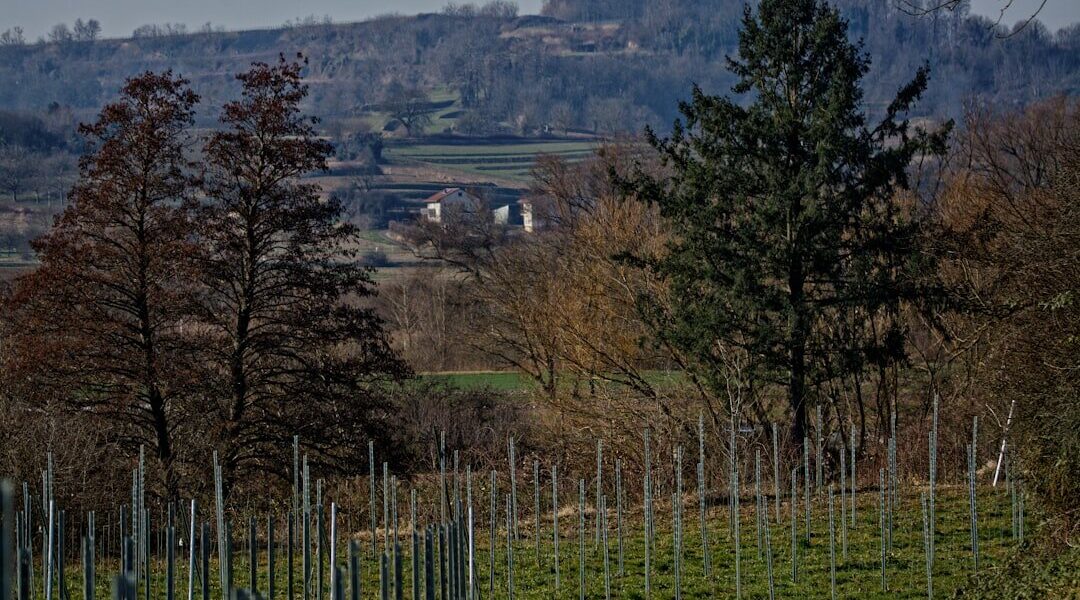
Rheinhessen stretches across rolling inland country and the steep Rhine-facing sector around Nierstein and Nackenheim. Muschelkalk shapes the Wonnegau, while the Roter Hang owes its name to distinctive red weathered rock; loess, clay and other soils appear widely across the region.
Rainfall, hail, frost and water retention affect these subregions unevenly. In 2023, hail damage reduced the Wonnegau crop, while 2024 frost losses concentrated along particular stretches of the Rhine terrace and elsewhere. In 2025, very advanced ripening, small berries and September rain compressed the harvest across a much larger area. These variations make village- and vineyard-level evidence essential.
How to compare bottles within a vintage
- Decode the label. Identify the producer, origin, Prädikat or Trocken designation and alcohol level with our German Riesling label guide.
- Read a technical or harvest note. Look for picking date, sorting, grape health and intended style rather than marketing superlatives.
- Compare like with like. A regional estate wine and a single-vineyard Grosses Gewächs are not interchangeable evidence for a given year.
- Check provenance for older wine. Fill level, closure, temperature history and seller recourse matter increasingly with age.
- Taste before buying multiples. Vintage summaries cannot predict your preference for acidity, ripeness, sweetness or bottle development.
What about 2001–2020?
This page once assigned every year from 2001 onward a star score and a fixed peak window. That presentation implied a bottle-level certainty the source material could not support.
Wines from those vintages now range from recently mature to more than two decades old, so condition and provenance can outweigh a generalized harvest reputation. For 2001–2009, use the mature German Riesling buying and opening guide. For 2010–2024 national context, see the German Riesling vintage guide. Neither replaces an inspection of the exact bottle.
Aging without false precision
Residual sugar, acidity, concentration, alcohol, closure and storage all shape how a wine develops. A basic dry Riesling made for early drinking should not inherit the projected life of a top Grosses Gewächs, and a Kabinett should not inherit the window of a Beerenauslese.
Use our Riesling aging guide as a framework, then apply producer and bottle evidence on top of it.
Sources
- German Wine Institute: 2025 vintage in the 13 wine-growing regions
- German Wine Institute: 2024 regional vintage report
- German Wine Institute: detailed 2023 regional report
- German Wine Institute: detailed 2022 regional report
- German Wine Institute: detailed 2021 regional report
Frequently asked questions
What is the best recent Rheinhessen Riesling vintage?
u003cpu003eThere is no single best vintage across the Wonnegau, Rhine Terrace and wider region. The right choice depends on the producer, site and whether you want a fresh, dry, powerful or sweeter style.u003c/pu003e
What should buyers expect from 2025 Rheinhessen Riesling?
u003cpu003eOfficial reporting described very early ripening, small berries, lower volume and aromatic, harmonious young wines. Mid-September rain made picking and sorting particularly important for Riesling.u003c/pu003e
Was 2024 a good Rheinhessen vintage?
u003cpu003eThe region reported fruit-oriented wines with moderate alcohol and lively acidity, but frost damage was localized and conditions varied by site. Treat that as a style clue, not a bottle guarantee.u003c/pu003e
Why did the old chart’s fixed drinking windows get removed?
u003cpu003eA regional year cannot determine when every wine will peak. Producer, vineyard, sweetness, concentration, closure and storage create far wider variation than a single date range suggests.u003c/pu003e
How does the Wonnegau differ from the Rhine Terrace in the same year?
u003cpu003eThey differ in topography, exposure, soils and local weather. Muschelkalk-focused Wonnegau sites and Rhine-facing vineyards around Nierstein respond differently to heat, drought, hail and rain, so subregion should always accompany vintage.u003c/pu003e
Related regional guides
Germany Rieslings Editorial Team
German Wine Editorial ReferenceResearched, structured, and fact-checked against official Deutsches Weininstitut (DWI) documentation, German Federal Wine Law (Weingesetz), and VDP.Die Prädikatsweingüter standards.