Moscato vs. Riesling Sweetness: What Tastes Sweeter?

Moscato tastes sweeter than Riesling in most bottles on store shelves. Winemakers craft Moscato almost exclusively as a sweet or semi-sweet wine, often with a light fizz and low alcohol. Riesling spans a much wider spectrum, from bone-dry bottlings to honeyed dessert wines.

This wide range causes most of the confusion between the two grapes. Pour a Moscato d’Asti, and you know exactly what’s coming. With Riesling, the label tells the whole story.
When comparing sweetness, perceived sugar matters more than raw sugar. Riesling carries naturally high acidity. Because of this, a Riesling with 30 grams of residual sugar often tastes noticeably drier than a Moscato holding that exact same amount.
Once you understand a few key label terms, finding the exact sweetness you want becomes easy.
Key Takeaways
- Moscato is almost always sweet, while Riesling ranges from completely dry to rich dessert styles.
- Riesling’s high acidity masks sweetness, making it taste drier than Moscato at equal sugar levels.
- Terms like Trocken and Feinherb describe actual sweetness, whereas Prädikat terms like Kabinett or Spätlese indicate grape ripeness at harvest.
At a Glance: Moscato vs. Riesling Comparison

Moscato pairs noticeable sweetness with gentle acidity and a soft fizz. Riesling delivers vibrant, mouthwatering acidity across every sweetness level.
Both varieties are aromatic whites with virtually no tannin. Their mouthfeel comes entirely from sugar, acid, and alcohol.
The Core Differences in Sweetness, Acidity, and Alcohol

Moscato d’Asti sits around 5 to 7 percent ABV because winemakers halt fermentation early. Stopping fermentation leaves natural grape sugar behind, giving the wine its light, frothy texture.
Riesling covers a much wider range. Dry styles reach 12 percent ABV or higher, while sweeter Mosel bottlings typically hover between 7 and 9 percent.
| Moscato | Riesling | |
|---|---|---|
| Typical sweetness | Sweet to semi-sweet | Dry to dessert-sweet |
| Residual sugar | High in most bottles | Under 9 g/L up to 150+ g/L |
| Acidity | Soft to moderate | High |
| Alcohol | 5–7% ABV (Moscato d’Asti) | 7–13% ABV |
| Bubbles | Lightly sparkling | Mostly still |
Flavor, Texture, and Sparkle Compared

Moscato leads with grapey, floral notes: ripe peach, fresh table grapes, and orange blossom. Its effervescence lifts the sweetness so it never feels heavy on the palate.
Riesling showcases green apple, lime, pear, and slate minerality. Winemakers occasionally craft sparkling Riesling Sekt, but most bottles on the market remain still white wine.
Understanding Moscato Sweetness

Winemakers build Moscato’s sweetness by stopping fermentation before yeast consumes all the sugar. The Muscat Blanc grape is intensely aromatic, so the wine smells sweet the moment it’s poured.
Why Moscato d’Asti Is Sweet, Lightly Sparkling, and Low in Alcohol

Moscato d’Asti comes from Piedmont in northwestern Italy. Producers ferment Muscat grapes in sealed tanks, then chill those tanks to halt the yeast.
This process traps natural carbon dioxide and preserves unfermented grape sugars. The trapped gas creates soft, frizzante bubbles.
Since less sugar converts into alcohol, the final pour stays around 5.5 percent ABV. Asti Spumante offers a fully sparkling alternative, while American still and pink Moscatos remain distinctly sweet.
Moscato Flavors: Fresh Grapes, Peach, and Floral Aromas

Moscato smells like fresh table grapes, direct and unmistakable. Stone fruits like peach, nectarine, and apricot follow, alongside tropical notes in warm-climate versions.
Floral character defines the grape. Orange blossom, honeysuckle, and jasmine signal sweetness to your senses before the wine even touches your tongue.
Gentle acidity keeps these fruit flavors smooth and approachable, making Moscato an easy favorite for newcomers to wine.
Understanding Riesling Sweetness

Riesling’s sweetness depends entirely on the winemaker’s intent. A single Mosel Einzellage can yield a crisp, bone-dry wine or a rich Auslese in the very same vintage.
From Dry Riesling to Noble-Sweet Wine
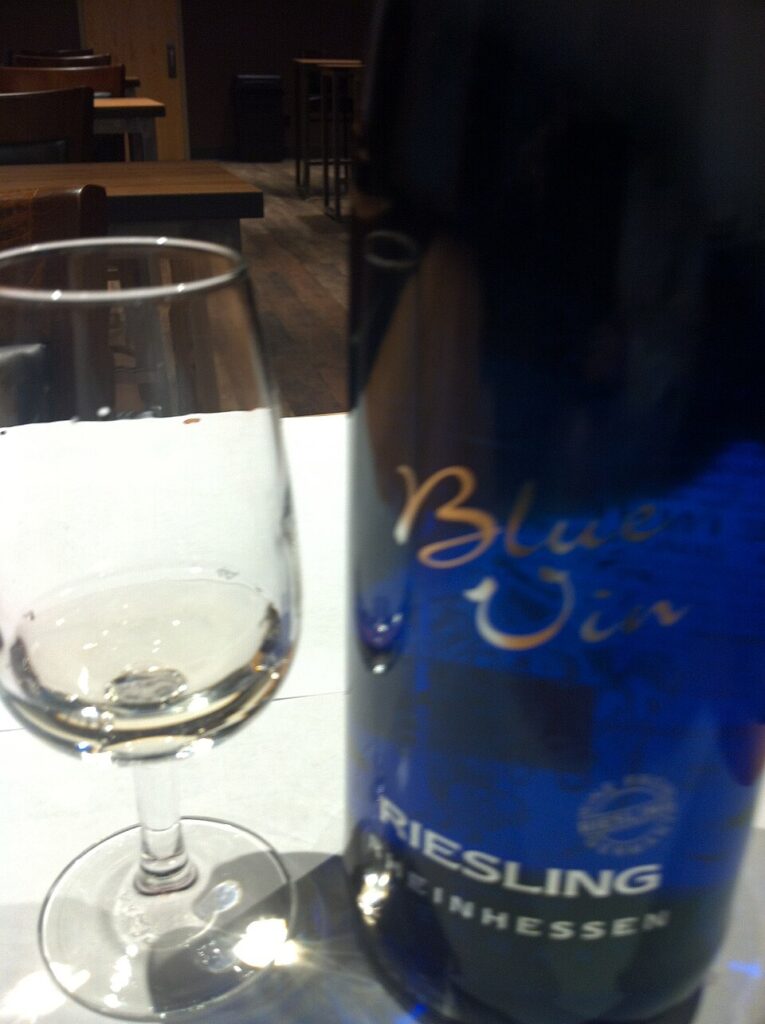
Dry Riesling contains under 9 grams per liter of residual sugar, offering clean notes of lemon, lime, and crisp apple. Regions like Alsace, the Rheingau, and the Pfalz specialize in this style, often on Buntsandstein or Muschelkalk soils.
Off-dry bottles sit around 10 to 20 g/L, adding subtle roundness. Semi-sweet and full sweet styles climb well above 45 g/L, delivering candied citrus and marmalade.
At the top tier, noble-sweet wines like Beerenauslese, Trockenbeerenauslese, and Eiswein rely on botrytis-affected or frozen grapes reaching extreme Oechsle levels. These rare bottlings can age for decades in the cellar.
How to Read Trocken and Feinherb on a German Label

Two terms make identifying sweetness straightforward:
- Trocken means dry, containing 9 g/L of sugar or less.
- Halbtrocken means half-dry, ranging from 9 to 18 g/L.
- Feinherb indicates an off-dry wine, balancing tart acidity with gentle sweetness.
If a German label lacks these terms, expect noticeable sweetness. Alcohol offers another quick clue: 12 percent ABV or higher suggests a dry profile, while 8 percent points to residual sugar.
For exact thresholds, read the German Riesling sweetness guide.
What Kabinett, Spätlese, and Auslese Actually Tell You

Prädikat terms measure grape ripeness at harvest, not final sweetness in the glass.
A Kabinett can ferment bone-dry. A Spätlese can taste dry, off-dry, or richly sweet depending on how the winemaker manages fermentation.
Check the Prädikat for ripeness at harvest, then look for Trocken or Feinherb on the label to confirm the actual sweetness style.
The Secret Factor: How Acidity Changes Perceived Sweetness

Acidity governs how much sugar your palate actually detects. Two wines with identical sugar content can taste completely different depending on their tartness.
Why Equal Residual Sugar Does Not Mean Equal Sweetness

Consider lemonade. Stirring three teaspoons of sugar into plain water tastes cloying, but adding lemon juice makes it refreshing. Acid balances sugar and cleanses the finish.
Riesling carries high natural acidity. A Spätlese with 40 g/L of sugar tastes crisp and lively, whereas a Moscato at that exact same sugar level tastes much richer thanks to its softer acid backbone.
Acidity keeps Riesling from coating the mouth or tasting heavy.
How Fruit and Floral Aromas Shape the Palate

Aromas prime your taste buds before the first sip. Scents of honeysuckle, ripe peach, and honey signal sweetness to the brain even in chemically dry wines.
A dry Riesling bursting with citrus and floral aromas can read as fruity to some drinkers. Moscato’s intense orange-blossom perfume makes its sugar feel even more pronounced.
Serving temperature plays a major role, too. Warm temperatures emphasize alcohol and sugar, while chilling wine to 45–50°F highlights crisp acidity.
Food Pairing: When to Choose Moscato or Riesling

Moscato shines alongside brunch dishes and desserts. Riesling handles full savory dinners, using acid to cut fat and sugar to tame heat.
Choose Moscato for Fruit Desserts, Brunch, and Gentle Sipping

Moscato pairs naturally with fruit-forward desserts. Peach tarts, apricot cobblers, fresh berries, and light lemon cakes mirror its sweet stone-fruit profile.
Low alcohol and soft bubbles make Moscato ideal for brunch alongside French toast, pastries, or cured meats like prosciutto.
Serve it cold, around 42 to 45°F, and drink it within a couple of years of release.
Choose Off-Dry Riesling for Spicy Food and Asian Cuisine

Off-dry Riesling tames spicy heat. Residual sugar coats the palate against capsaicin, while bright acidity keeps your senses refreshed.
Pair it with Thai curries, Sichuan dishes, Indian vindaloo, and sweet-and-sour glaze preparations.
A German Kabinett or Feinherb around 8 to 10 percent ABV provides the ideal balance for spice.
Choose Dry Riesling for Seafood, Sushi, and Pork
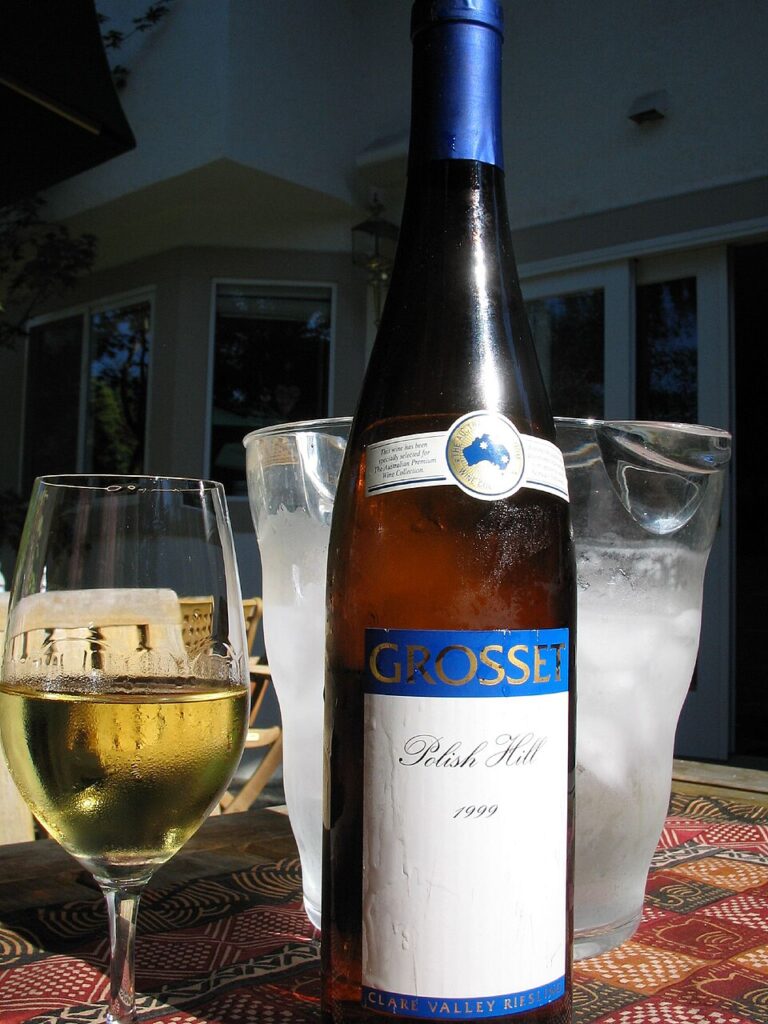
Dry Riesling belongs next to delicate seafood. Oysters, grilled white fish, prawns, and sushi shine alongside its sharp citrus profile — and a Devonian slate-grown GG only sharpens the effect.
It also pairs well with pork dishes, from crisp schnitzel to roast loin with apples.
For blue cheese, switch to a sweet Auslese instead. The rich mold and salty cheese need intense sweetness and acidity to find balance.
Frequently Asked Questions

Is Moscato sweeter than Riesling?
Moscato tastes sweeter than most Riesling on the market. Riesling includes bone-dry styles like Trocken, though rare dessert Rieslings like Trockenbeerenauslese contain more sugar than Moscato d’Asti.
Why do people think Riesling is always sweet?
Mass-market sweet imports shaped Riesling’s reputation decades ago. Today, winemakers in Germany and worldwide produce primarily dry and off-dry styles.
Is Moscato the same as Riesling?
No, they are distinct grape varieties. Moscato belongs to the Muscat family from Italy and the Mediterranean, whereas Riesling originates from Germany’s Rhine river region.
What is the sweetest German Riesling style?
Trockenbeerenauslese is the sweetest style, crafted from shriveled, botrytis-affected grapes. Beerenauslese and Eiswein also reach intense sweetness levels balanced by vibrant acidity.
Which is better with spicy food: Moscato or Riesling?
Off-dry Riesling works best with spicy food. Its high acidity cuts grease and refreshes the palate, whereas Moscato’s softer acidity can feel heavy over a full meal.
How can I tell if a German Riesling is dry?
Check the label for the word u003cstrongu003eTrockenu003c/strongu003e. If missing, look at the alcohol percentage: 12 percent ABV or higher signals a dry style, while 8 to 9 percent indicates residual sugar.
Germany Rieslings Editorial Team
German Wine Editorial ReferenceResearched, structured, and fact-checked against official Deutsches Weininstitut (DWI) documentation, German Federal Wine Law (Weingesetz), and VDP.Die Prädikatsweingüter standards.