Kabinett vs Spätlese: What Is the Difference?

Kabinett and Spätlese are German Prädikat categories defined by grape must weight at harvest—not by guaranteed sweetness. Spätlese demands riper must than Kabinett for the same grape and region, giving it greater potential intensity. Either category can finish bone-dry or with residual sugar.
Kabinett vs Spätlese at a glance

| Question | Kabinett | Spätlese |
|---|---|---|
| What does it classify? | Lower Prädikat must-weight category | Higher Prädikat must-weight category |
| Is it always sweet? | No | No |
| Typical impression | Lighter, more delicate | More intense, more concentrated |
| Can it say Trocken? | Yes | Yes |
| Best buying clue for sweetness | Taste term or producer technical sheet | |
What Kabinett means
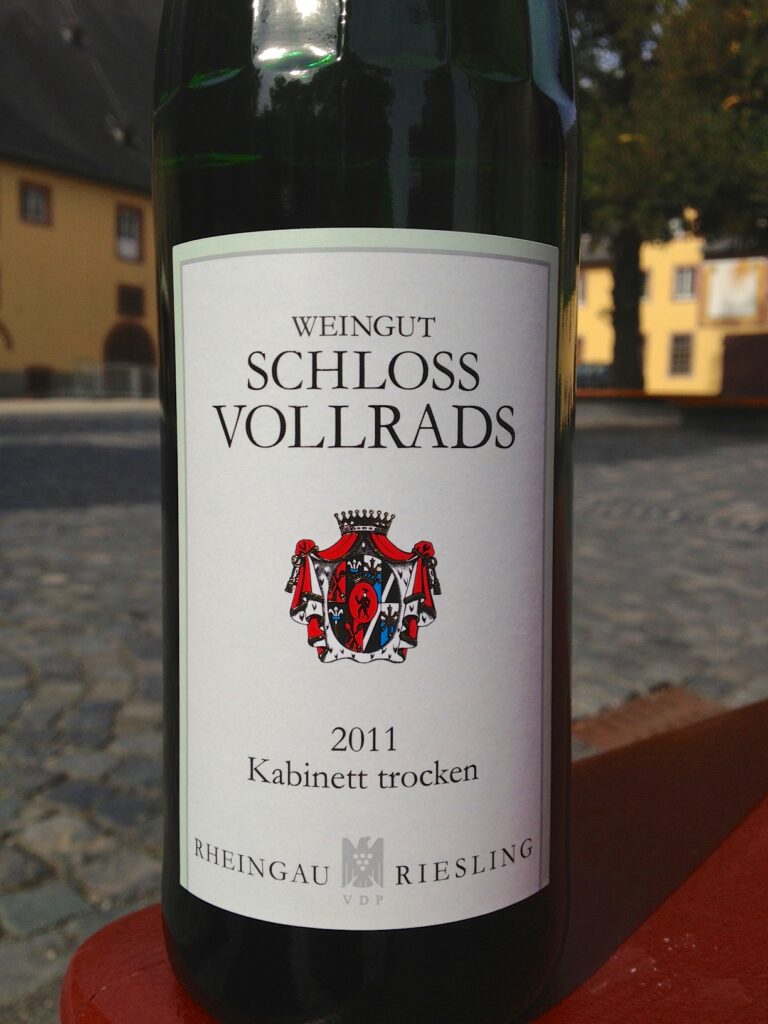
Kabinett sits first among Germany’s six Prädikat categories. The German Wine Institute describes it as fine, light wine from ripe grapes, typically with lower alcohol. The legal minimum must weight shifts depending on grape variety and wine-growing region.
A Kabinett can be dry, off-dry or distinctly sweet. That’s why the term alone can’t answer “how much sugar is in this wine?” A delicate Mosel Kabinett with residual sugar and a Kabinett Trocken share the same Prädikat—yet taste worlds apart.
What Spätlese means

Spätlese translates to “late harvest,” one rung above Kabinett in the Prädikat ladder. The German Wine Institute characterizes these wines as ripe, elegant, and more concentrated in flavor—while explicitly noting they aren’t necessarily sweet.
In the glass, Spätlese often feels fuller than a comparable Kabinett. But fermentation choices can yield a bone-dry Spätlese just as easily as a residual-sugar version. House style still governs the outcome.
How to tell whether either wine is dry or sweet

- Trocken is the clearest legal dry signal.
- Halbtrocken is a regulated semi-dry category.
- Feinherb is unregulated, commonly suggesting an off-dry or gently sweet impression—though it carries no fixed legal sugar range.
- No taste term means checking the producer description or technical sheet.
Alcohol offers context but no proof. A lower-alcohol Mosel Riesling may retain more sugar—yet alcohol alone can’t substitute for residual-sugar data or a stated taste designation.
Which should you buy?

- Choose Kabinett for delicacy, lower alcohol, or a lighter frame.
- Choose Spätlese for greater intensity and concentration.
- Choose by taste term when dryness matters more than body.
- Choose by producer when cellaring—estate style and bottle history often outweigh the category itself.
Food pairing: finished style comes first

A dry Kabinett suits shellfish, salads, and delicate fish. A dry Spätlese handles roast pork, richer fish, or creamy sauces. Versions with residual sugar—Kabinett or Spätlese—can tame chili heat and balance salty foods. Very sweet examples demand a pairing with matching intensity.
How to read two example labels

“Mosel Riesling Kabinett Trocken” confirms the grapes met the Kabinett must-weight threshold and the finished wine met the legal Trocken limit. Expect a relatively light frame—but don’t assume an exact alcohol level or flavor profile without checking the bottle.
“Mosel Riesling Spätlese” without a taste term confirms only that the grapes met the higher Spätlese must-weight requirement. Final sugar remains undisclosed. Search the producer’s page for residual sugar, alcohol, and tasting notes before buying.
Kabinett vs Spätlese for cellaring

Spätlese’s greater potential concentration can support aging, but the word guarantees nothing. A carefully made Kabinett from a strong Einzellage may develop beautifully for decades, while a simple Spätlese might be built for early drinking. Vintage conditions, acidity, finished sweetness, sulfur management, closure, and storage all shape longevity.
For a bottle you plan to hold, consult the estate’s release note and buy from a retailer with credible storage practices. Keep wine at a stable 10–15°C, away from light and vibration. See the German Riesling cellaring guide for practical storage and maturity checks.
Official reference
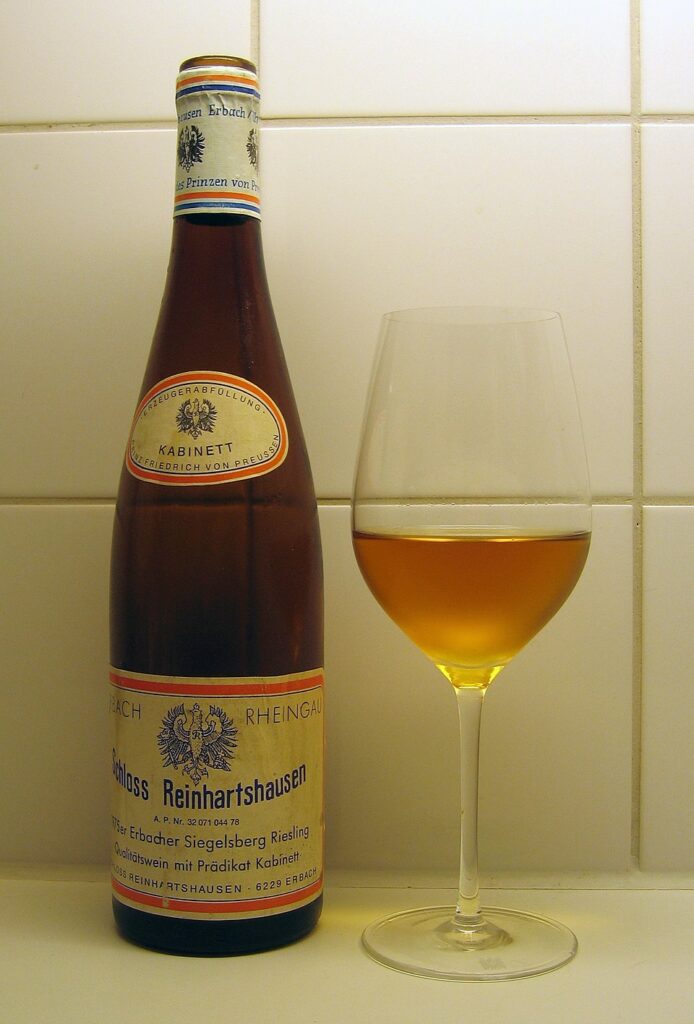
The German Wine Institute’s Prädikat guide defines these categories and stresses that Spätlese and Auslese are not necessarily sweet. For the regulated taste terms, consult its German wine sweetness guide.
Frequently asked questions

What is the main difference between Kabinett and Spätlese?
u003cpu003eSpätlese carries a higher minimum grape must weight than Kabinett for the same region and grape. It’s generally more intense or concentrated, but not necessarily sweeter once fermentation finishes.u003c/pu003e
Is Spätlese always sweeter than Kabinett?
u003cpu003eNo. Both categories can be fermented dry or bottled with residual sugar. Look for Trocken, Halbtrocken, Feinherb, or a producer technical sheet to judge the finished sweetness.u003c/pu003e
Can Kabinett and Spätlese both be dry?
u003cpu003eYes. The legal Prädikat describes grape must weight, not final residual sugar. A label may read Kabinett Trocken or Spätlese Trocken.u003c/pu003e
Which is better with food, Kabinett or Spätlese?
u003cpu003eChoose by finished sweetness and weight. Lighter Kabinett suits seafood and delicate dishes; a fuller Spätlese handles richer food. Residual-sugar versions of either can work with chili heat and salty cheese.u003c/pu003e
Does Spätlese age longer than Kabinett?
u003cpu003eSometimes, but not as a rule. Producer, vineyard, vintage, sweetness, closure, and storage often matter more than the Prädikat itself. Follow the estate’s guidance for the individual bottle.u003c/pu003e
Related guides
Germany Rieslings Editorial Team
German Wine Editorial ReferenceResearched, structured, and fact-checked against official Deutsches Weininstitut (DWI) documentation, German Federal Wine Law (Weingesetz), and VDP.Die Prädikatsweingüter standards.