Dr. Bürklin-Wolf
Estate Overview & Philosophy
Dr. Bürklin-Wolf farms 84.7 hectares from its base in Wachenheim, one of the Pfalz‘s defining VDP estates. Under the direction of Bettina Bürklin-von Guradze, the property commands an exceptional portfolio of classified Mittelhaardt sites, all steered toward dry Riesling of uncompromising precision.
The current VDP record shows 82% Riesling under biodynamic cultivation, spread across vineyards in Wachenheim, Forst, Deidesheim and Ruppertsberg. Note: an earlier directory misplaced the estate in Deidesheim and cited the wrong ownership family — details corrected here.
Dr. Bürklin-Wolf at a glance
| Base | Wachenheim, Pfalz |
|---|---|
| Owner | Bettina Bürklin-von Guradze |
| Managing director | Steffen Brahner |
| Cellarmaster | Nicolla Libelli |
| VDP area | 84.7 ha |
| Grape mix | 82% Riesling; Pinot and other varieties |
| Farming | Biodynamic |
Why this estate matters
Decades of continuous, owner-led stewardship and an unusually broad site portfolio have made Dr. Bürklin-Wolf a benchmark for dry Pfalz Riesling. In 1994, the estate introduced its own Burgundy-inspired four-tier classification, well ahead of the modern VDP system.
Buyers should keep that estate-specific history distinct from the current VDP hierarchy and German wine law. The two systems overlap in spirit, not in structure.
The current VDP profile names the present leadership team and confirms more than a decade of biodynamic farming across the vineyards. These facts supersede the outdated Deidesheim address and “Familie Seeger” ownership previously listed.
Vineyards and origin
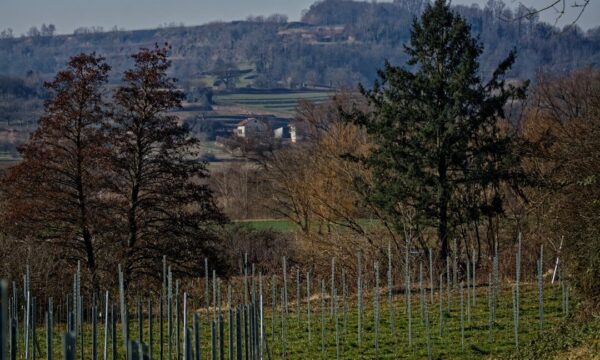
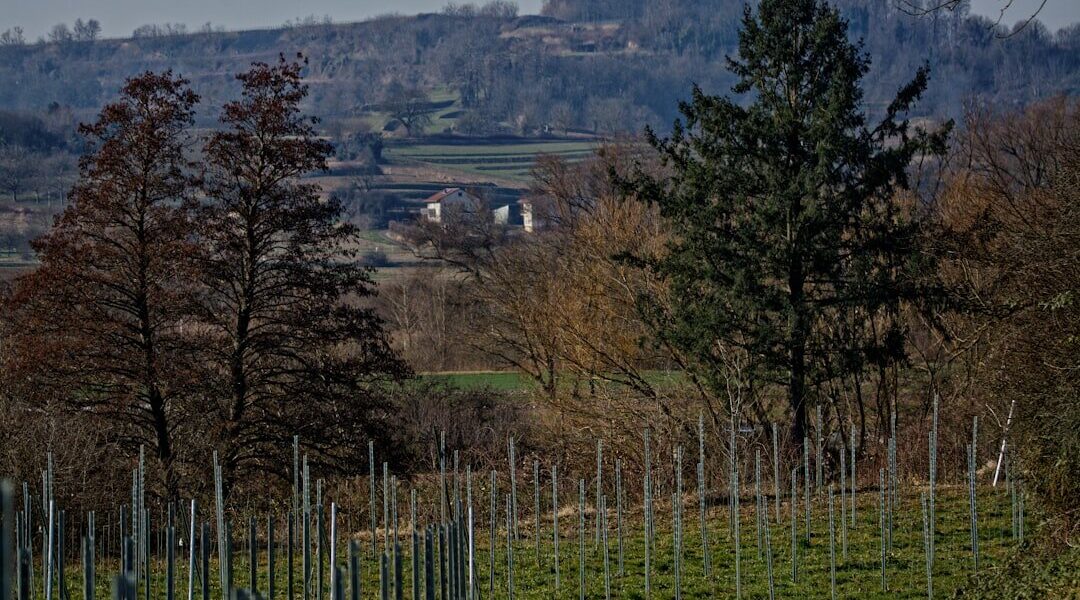
Forster Ungeheuer, Kirchenstück, Pechstein and Jesuitengarten form the core of the estate’s Forst holdings. Deidesheimer Hohenmorgen, Kalkofen and Langenmorgen, Ruppertsberger Gaisböhl and Reiterpfad-In der Hohl, plus a run of Wachenheim sites, round out the range.
A vineyard name signals origin — not a guaranteed flavor profile or score. Geology, aspect and elevation shape the vine’s growing conditions, but vintage, harvest timing, fermentation, élevage and bottle age all leave their mark on the finished wine.
Compare sites within the same vintage and style before crediting any difference to soil alone.
Wine range and farming
Dry Riesling defines the estate’s identity, and village-level wines from Wachenheim, Deidesheim and Ruppertsberg make a sensible entry point. Don’t assume every top dry bottling carries the GG designation — the estate still uses its historical P.C. and G.C. terminology alongside VDP language.
Biodynamic practice is documented at the estate level. Dr. Bürklin-Wolf prizes patience: extended élevage and later release dates are a house signature, though exact timing varies wine to wine.
How to buy and compare
Begin with a village Riesling, then move to a side-by-side of two classified sites from a single village — Ungeheuer and Pechstein in Forst, for instance. Check whether the label reads VDP, P.C./G.C., or another estate-specific designation.
- Start with style. Match Trocken/GG, Feinherb or a Prädikat level before comparing two origins.
- Read the whole label. Producer, vintage, village or vineyard, sweetness cue and AP number identify a wine far more reliably than a shelf tag.
- Use current technical data. Alcohol, residual sugar, vessel (including Stückfass aging) and release date shift by bottling and vintage.
- For mature wine, verify provenance. Storage, fill level, closure integrity and seller reputation matter more than any generic regional aging chart.
Classification and label context
The VDP hierarchy climbs from Gutswein through Ortswein and Erste Lage to Grosse Lage. Grosse Lage classifies the vineyard itself; Grosses Gewächs (GG) denotes a dry wine produced from that site. Fruit-sweet wines from the same Grosse Lage vineyards instead carry Prädikat terms — Kabinett, Spätlese, Auslese and beyond. See our Grosse Lage vs GG guide.
Visiting and current details
The VDP lists the estate and vinotheque at Weinstraße 65 in Wachenheim. Confirm current hours, reservation policy and availability directly with the estate before traveling.
Reviewed Estate Bottlings & Tasting Archive
Explore detailed tasting reviews, vintage evaluations, and vineyard profiles for benchmark bottlings from this estate:
- 2020 Dr. Bürklin-Wolf Ungeheuer Grand Cru
- 2020 Dr. Bürklin-Wolf Reiterpfad Grand Cru
- 2021 Dr. Bürklin-Wolf Reiterpfad Grand Cru
- 2021 Dr. Bürklin-Wolf Ungeheuer Grand Cru
- 2021 Dr. Bürklin-Wolf Gaisböhl Grand Cru
- 2021 Dr. Bürklin-Wolf Hohenmorgen Grand Cru
- 2021 Dr. Bürklin-Wolf Pechstein Grand Cru
- 2021 Dr. Bürklin-Wolf Langenmorgen Grand Cru
- 2021 Villa Wolf Riesling Fruity
- 2021 Philipp Kuhn Riesling Philippsbrunnen Grosses Gewächs Versteigerung
- 2022 Dr. Bürklin-Wolf Wachenheimer Riesling
- 2019 Müller-Catoir GG Bürgergarten im Breumel Riesling
- 2021 Weingut Knipser Laumersheim Kalkmergel Riesling Trocken
- 2022 Kolonne Null Riesling 0%
- 2022 Emil Bauer Sex Drugs & Rock'n Roll. Just Riesling For Me Thanks!
- 2021 Emil Bauer Riesling Trocken
- 2021 Dr. Bürklin-Wolf Ruppertsberger Riesling
- 2021 Dr. Bürklin-Wolf Wachenheimer Rechbächel Premier Cru
- 2021 Dr. Bürklin-Wolf Ruppertsberger Hoheburg Premier Cru
- 2021 Dr. Bürklin-Wolf Wachenheimer Gerümpel Riesling Trocken Premier Cru
- 2021 Dr. Bürklin-Wolf Riesling Trocken
- 2023 Villa Wolf Riesling Dry
- 2020 Dr. Bürklin-Wolf Gaisböhl Grand Cru
Sources
Profile checked against the linked primary sources in August 2026. Estate details can change.
Frequently asked questions
What is Dr. Bürklin-Wolf known for?
u003cpu003eBiodynamically farmed dry Riesling from Wachenheim and the major Forst, Deidesheim and Ruppertsberg sites.u003c/pu003e
Is Dr. Bürklin-Wolf a VDP member?
u003cpu003eYes. The current VDP grower directory lists Dr. Bürklin-Wolf. The VDP is a private growers’ association; its classification is not identical to German wine law.u003c/pu003e
Which vineyards are associated with Dr. Bürklin-Wolf?
u003cpu003eKirchenstück, Pechstein, Jesuitengarten, Ungeheuer, Hohenmorgen, Kalkofen and Gaisböhl rank among the key Grosse Lage sites.u003c/pu003e
Can you visit Dr. Bürklin-Wolf?
u003cpu003ePolicies, opening hours and tasting formats change. Check the linked official website immediately before travel and reserve where requested.u003c/pu003e