2022 Kolonne Null Riesling 0%
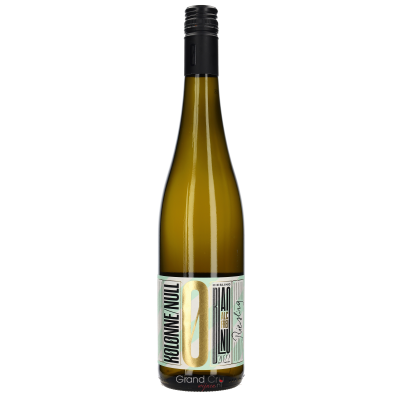
Wine Profile & Character
Kolonne Null built its reputation on a singular premise: that dealcoholized wine need not be a compromise if the base material is grown with real intention. The fruit for this Riesling is sourced from Mosel growers working steep, river-facing slopes of Devonian slate, the same stony, heat-retaining soils that give the region’s traditional wines their signature tension and smoky minerality. Vines are farmed with an eye toward physiological ripeness and aromatic concentration rather than sheer sugar accumulation, since the eventual removal of alcohol demands a base wine with enough structural backbone and flavor density to survive the process intact. The cool nights and slate-warmed days of the Mosel’s river microclimate allow for the slow, even ripening that preserves the grape’s naturally piercing acidity, which becomes the architectural spine of the finished non-alcoholic wine.
Vinified conventionally at first, the base wine undergoes gentle vacuum distillation to strip alcohol while attempting to retain volatile aromatics — a technically demanding process that shapes this bottling’s character more than any single vineyard parcel. The nose opens with white peach, lime zest, and a faint wet-stone note reminiscent of Mosel slate, though softer and more diffuse than in a fully fermented counterpart. On the palate, the wine leans on its acidity for definition, since body and mid-palate weight normally supplied by alcohol are necessarily reduced. Flavors of green apple, grapefruit pith, and a light honeyed edge unfold in sequence, with the characteristic Mosel minerality appearing more as a textural graininess than an aromatic force.
This is a wine built for immediate enjoyment rather than cellaring; without alcohol as a preservative and structural component, its aromatic freshness is best experienced within twelve to eighteen months of release. The 2022 vintage’s balanced ripening curve gives this bottling slightly more fruit concentration than some previous releases, helping it stand up reasonably well to the dealcoholization process. Over time in bottle, expect the vivid citrus top notes to soften and flatten somewhat, so purchasing recent vintages and drinking them promptly will yield the most faithful representation of Mosel character in non-alcoholic form.
Sourced Profile
Compiled from producer and published descriptions, not a firsthand tasting by our team.
Appearance: Pale straw-yellow with a faint greenish tinge at the rim, brilliantly clear with fine, persistent effervescence typical of lightly carbonated dealcoholized wines.
Aromas & Bouquet: Lime zest, white peach, and green apple lead, framed by a delicate wet-slate minerality reminiscent of the Mosel's riverbanks. A whisper of honeysuckle and citrus blossom lifts the mid-register, though the aromatic intensity is naturally more muted than a fermented Riesling of equal pedigree.
Palate & Structure: Bright, almost tart acidity drives the palate in the absence of alcohol's textural cushioning, giving a crisp, linear sensation reminiscent of Riesling's classic backbone. Flavors of grapefruit pith, green apple, and a touch of ripe pear unfold cleanly, with a faint stony grip lending welcome structure. The mouthfeel is lighter and more aqueous than traditional Riesling, but the acid-driven precision keeps it lively and refreshing.
Finish & Longevity: The finish is clean and citrus-tinged, with moderate length and a subtle saline minerality carried through by the wine's acidity. Phenolic grip is minimal, leaving a crisp, dry impression.
Food Pairings
Pairs well with a citrus-dressed seafood salad, where the wine's acidity mirrors and lifts the dish's brightness. Steamed mussels or a simple grilled sole benefit from the wine's mineral edge and clean finish. For a vegetarian option, try goat cheese with lemon-thyme honey, echoing the wine's citrus-floral register. Spicy Southeast Asian dishes, such as green papaya salad, also find a refreshing counterpoint in its high acidity and low sweetness.
Cellaring & Ageability
Best enjoyed within 2024–2025, as this style is crafted for freshness rather than long-term development. Extended aging is not recommended; the wine's vivid citrus and mineral notes are at their peak shortly after release and will fade rather than deepen with time.