Schloss Johannisberg
Estate Overview & Philosophy
Schloss Johannisberg is a 50-hectare Rheingau monopole planted entirely to Riesling, with vineyard records dating to 817, unbroken Riesling cultivation since 1720, and the celebrated delayed harvest of 1775.
The estate’s historical claims are unusually well documented on its own timeline. “Birthplace of Spätlese” refers specifically to the 1775 delayed-harvest story—it should not be broadened into a claim that no late-harvest wine existed anywhere else in Germany.
Schloss Johannisberg at a glance
| Base | Johannisberg, Rheingau |
|---|---|
| Estate vineyard | 50 ha monopole |
| Grape mix | 100% Riesling since 1720 |
| Aspect and geology | South-facing quartzite hill |
| First vineyard record | 817 |
| Delayed-harvest milestone | 1775 |
| VDP membership | Current member |
Why this estate matters
A single enclosed vineyard gives buyers a fixed point of origin, while the estate varies style and quality level around it. Color-coded “Lack” capsules distinguish the range—from dry wines through Kabinett, Spätlese, Auslese, and rare noble-sweet Prädikat categories.
An earlier version of this profile named an unsupported owner and made a generic natural-fermentation claim. This page confines itself to the estate’s documented history, vineyard facts, and product record.
Vineyards and origin
Schloss Johannisberg is an exclusive, legally defined single vineyard surrounding the château—not a portfolio of unrelated sites. The estate reports 50 hectares facing south on a quartzite hill rising to 182 meters, with the 50th parallel running directly through the vineyard.
A vineyard name signals origin, not a guaranteed aroma or score. Geology, aspect, and elevation shape vine growth, but vintage, harvest timing, fermentation, élevage, and bottle age all influence the finished wine.
Compare sites within the same vintage and style before attributing any difference to soil alone.
Wine range and farming
The current range spans dry Gelblack, Bronzelack, and Silberlack, feinherb wine, and color-coded Prädikat levels from Kabinett upward. These colors are estate branding—read them alongside the legal style term rather than treating them as a national classification.
The estate reports hand harvest and the use of oak from its own forest for barrel construction. That doesn’t mean every wine sees identical wood treatment. Consult the current technical sheet for each color and vintage before assuming otherwise.
How to buy and compare
A useful first comparison: Gelblack against a higher dry color within one vintage, or Kabinett against Spätlese when studying Prädikat progression. Remember—these comparisons track selection and style within a single vineyard, not different terroirs.
- Start with style. Match trocken/GG, feinherb, or a specific Prädikat before comparing two origins.
- Read the whole label. Producer, vintage, village or vineyard, sweetness cue, and AP number identify a wine more reliably than any shelf tag.
- Use current technical data. Alcohol, residual sugar, vessel (including Stückfass aging), and release date can shift by bottling and vintage.
- For mature wine, verify provenance. Storage conditions, fill level, closure integrity, and seller reputation outweigh any generic regional aging chart.
Classification and label context
The VDP hierarchy climbs from Gutswein through Ortswein and Erste Lage to Grosse Lage. Grosse Lage classifies a site; Grosses Gewächs (GG) denotes a dry wine grown on that site. Fruit-sweet wines from Grosse Lage vineyards carry Prädikat terms instead—Kabinett, Spätlese, Auslese, and beyond. See our Grosse Lage vs GG guide.
Visiting and current details
The official site publishes current wine-shop, tasting, and guided-tour options at the château. Confirm hours, reservation policy, and availability directly with the estate before traveling.
Reviewed Estate Bottlings & Tasting Archive
Explore detailed tasting reviews, vintage evaluations, and vineyard profiles for benchmark bottlings from this estate:
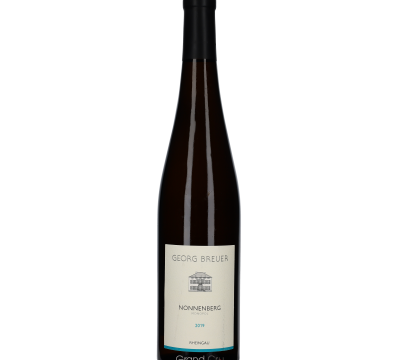
- 2019 Georg Breuer Nonnenberg Monopol
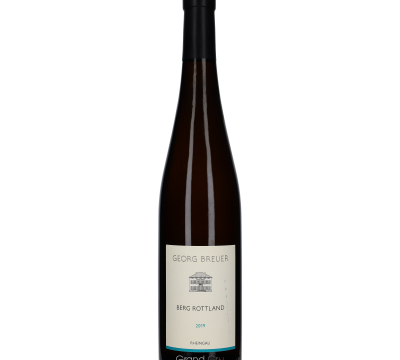
- 2019 Georg Breuer Berg Rottland
- 2019 Georg Breuer Pfaffenwies
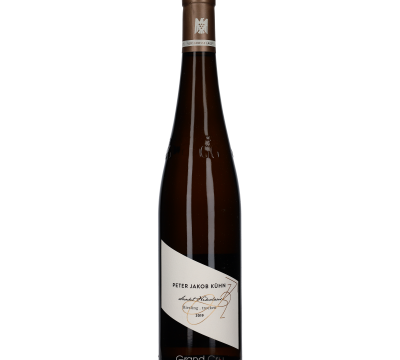
- 2019 Peter Jakob Kuhn Riesling St.Nikolaus GG
Sources
- Official 1,200-year history
- Official vineyard and estate facts
- Official current wine range
- Official visit information
Profile checked against the linked primary sources in August 2026. Estate details can change.
Frequently asked questions
What is Schloss Johannisberg known for?
A 50-hectare Riesling monopole, meticulously documented wine history, and the 1775 delayed-harvest milestone associated with the origins of Spätlese.
Is Schloss Johannisberg a VDP member?
Yes. The current VDP grower directory lists Schloss Johannisberg. The VDP is a private growers’ association; its classification system runs parallel to, but is not identical with, German wine law.
Which vineyards are associated with Schloss Johannisberg?
The estate comprises one exclusive single vineyard—Schloss Johannisberg—rather than a collection of separately named sites.
Can you visit Schloss Johannisberg?
Policies, opening hours, and tasting formats change. Check the linked official website immediately before travel and reserve where requested.