Ökonomierat Rebholz
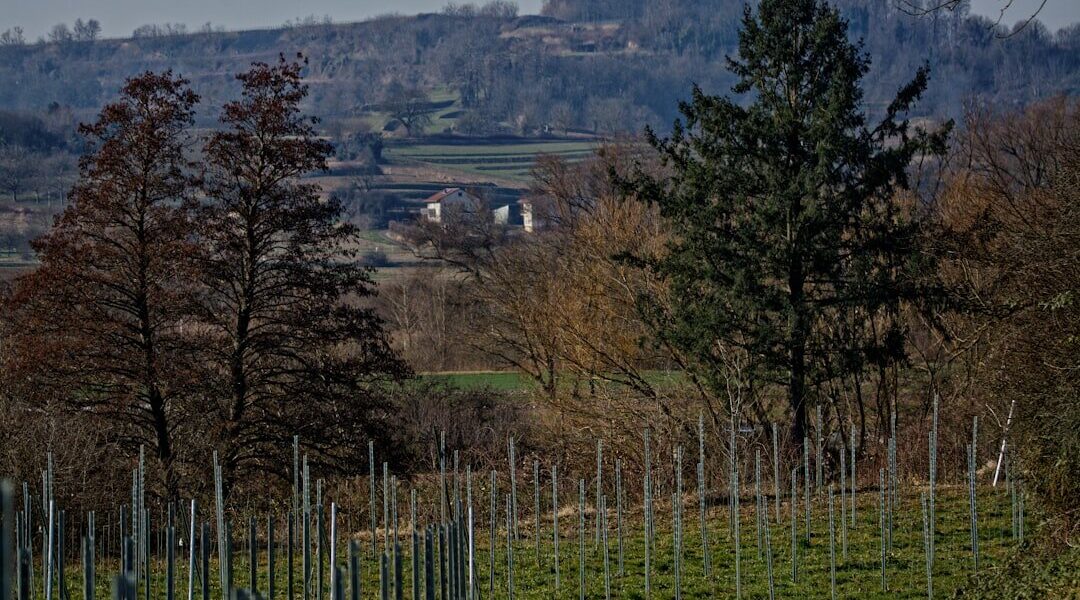
Estate Overview & Philosophy
Ökonomierat Rebholz farms 26 hectares in Siebeldingen, a VDP estate whose biodynamic convictions run as deep as its Riesling roots in Kastanienbusch and Im Sonnenschein.
Riesling accounts for 42% of plantings — the largest single grape, not the whole story. Pinot Noir, Pinot Blanc, Chardonnay and a handful of aromatic varieties round out a portfolio broader than any Riesling-only summary suggests.
Ökonomierat Rebholz at a glance
| Base | Siebeldingen, Pfalz |
|---|---|
| Owners | Hansjörg and Birgit Rebholz |
| Cellarmasters | Hansjörg, Hans and Valentin Rebholz |
| VDP area | 26 ha |
| Riesling share | 42% |
| Certifications | EU organic, respekt-BIODYN and La Renaissance des Appellations |
| VDP membership | Since 1991 |
Why this estate matters
Rebholz is a benchmark for reading the southern Pfalz‘s fractured geology through Riesling. Devonian slate, buntsandstein and calcareous soils sit within a few kilometers of each other here.
The estate also shows how a serious Riesling house handles Pinot varieties alongside its flagship. The current VDP listing gives a full grape breakdown and named certifications — far more precise than the generic “organic/biodynamic” tag often attached to this producer.
Vineyards and origin
The core sites are Birkweiler Kastanienbusch and Mandelberg, Siebeldinger Im Sonnenschein with its Ganz Horn parcel, Burrweiler Schäwer, and several Erste Lage vineyards around Siebeldingen and Albersweiler.
Do not confuse this portfolio with Deidesheimer Kalkofen — that Einzellage belongs to a different corner of the Pfalz entirely.
A vineyard name marks an origin, not a guaranteed flavor or score. Geology, aspect and elevation shape how the vine grows, but vintage, harvest timing, fermentation, élevage and bottle age all leave their mark on the finished wine.
Compare sites within the same vintage and style before crediting any difference to soil alone.
Wine range and farming
Riesling Grosses Gewächs bottlings anchor the range, but Pinot Noir, Pinot Blanc, Chardonnay and other varieties form a substantial part of the estate’s output. Check grape and site before assuming every top-tier Rebholz bottle is Riesling.
EU organic, respekt-BIODYN and La Renaissance des Appellations are the estate’s current certifications. They describe farming practice and standards — not a promised sensory profile.
How to buy and compare
Start with a dry estate or village Riesling. From there, compare Im Sonnenschein/Ganz Horn against Kastanienbusch within the same vintage. If you’re buying a different grape, resist transferring a Riesling site’s reputation onto Pinot or Chardonnay.
- Start with style. Match Trocken/GG, Feinherb or a Prädikat level before comparing two origins.
- Read the whole label. Producer, vintage, village or vineyard, sweetness cue and AP number identify a wine more reliably than any shelf tag.
- Use current technical data. Alcohol, residual sugar, vessel — Stückfass or stainless — and release date can shift by bottling and vintage.
- For mature wine, verify provenance. Storage, fill level, closure and seller reputation matter more than a generic regional aging chart.
Classification and label context
The VDP hierarchy climbs from Gutswein through Ortswein and Erste Lage to Grosse Lage. Grosse Lage classifies the site itself; Grosses Gewächs (GG) denotes a dry wine grown there. Fruit-sweet wines from Grosse Lage vineyards instead carry Prädikat terms — Kabinett, Spätlese, Auslese. See our Grosse Lage vs GG guide.
Visiting and current details
The VDP lists the estate at Weinstraße 54 in Siebeldingen and publishes current sales hours. Always confirm hours, reservation policy and availability directly with the estate before traveling.
Sources
Profile checked against the linked primary sources in August 2026. Estate details can change.
Frequently asked questions
What is Ökonomierat Rebholz known for?
u003cpu003eBiodynamic Südpfalz wines, led by dry Riesling from Kastanienbusch and Im Sonnenschein/Ganz Horn.u003c/pu003e
Is Ökonomierat Rebholz a VDP member?
u003cpu003eYes. The current VDP grower directory lists Ökonomierat Rebholz. The VDP is a private growers’ association; its classification is not identical to German wine law.u003c/pu003e
Which vineyards are associated with Ökonomierat Rebholz?
u003cpu003eKastanienbusch, Im Sonnenschein, Ganz Horn, Mandelberg and Schäwer are among the current Grosse Lage origins.u003c/pu003e
Can you visit Ökonomierat Rebholz?
u003cpu003ePolicies, opening hours and tasting formats change. Check the linked official website immediately before travel and reserve where requested.u003c/pu003e
Benchmark Estate Bottlings
Wines from Ökonomierat Rebholz in our catalog
We have not yet catalogued a verified bottle from this estate.