Schäfer-Fröhlich
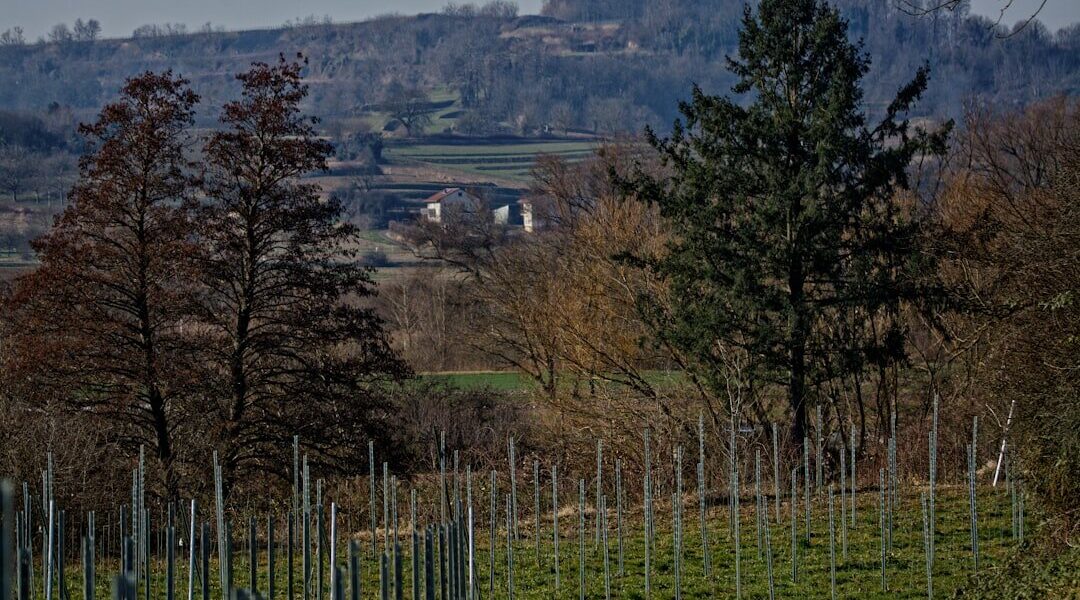
Estate Overview & Philosophy
Schäfer-Fröhlich is a 24-hectare VDP estate in Bockenau, led by Tim Fröhlich and built around Riesling from six rocky Grosse Lage sites across the middle Nahe.
The current VDP profile reports 85% Riesling and 15% Pinot varieties. It states specifically that the estate’s major Rieslings are spontaneously fermented — a narrower, more defensible claim than assuming one technique governs every wine in the cellar.
Schäfer-Fröhlich at a glance
| Base | Bockenau, Nahe |
|---|---|
| Owner and cellarmaster | Tim Fröhlich |
| VDP area | 24 ha |
| Grape mix | 85% Riesling; 15% Pinot varieties |
| Geology summary | Devonian slate, quartzite, conglomerate and porphyry |
| VDP membership | Since 2001 |
Why this estate matters
The portfolio spans Bockenau, Monzingen and Schloßböckelheim, making the estate a reliable lens on how the middle Nahe changes from site to site.
Stromberg and Felseneck are monopoles. The remaining sites are shared with neighboring producers.
The Fröhlich family has worked this land for more than 200 years. Rather than dressing that history into a manufactured founding date, the current profile centers what can be verified: ownership, vineyard area and cellar leadership.
Vineyards and origin
The VDP lists six Einzellagen: Bockenauer Felseneck and Stromberg, Monzinger Halenberg and Frühlingsplätzchen, and Schloßböckelheimer Felsenberg and Kupfergrube. Compare them by exact village and geology — not by collapsing them into one generic “volcanic Nahe” label.
A vineyard name marks an origin. It does not guarantee a specific aroma or score.
Geology, aspect and elevation shape how the vine grows, but vintage, harvest decisions, fermentation, élevage and bottle age all shape the wine that ends up in the glass. Compare sites within the same vintage and style before crediting a difference to soil alone.
Wine range and farming
Riesling leads the range, particularly dry Grosses Gewächs bottlings, though fruit-sweet wines and Pinot varieties also appear. The VDP interview points to the Riesling Gutswein as a sensible entry point — not a suggestion that only the scarce GGs speak for the estate.
Selective harvest, gentle handling and spontaneous fermentation define the approach to the major Rieslings. Exact vessel choice, lees contact and analytical values remain specific to each wine.
How to buy and compare
Start with the Riesling Gutswein. Then compare Felseneck against one of the Schloßböckelheim or Monzingen sites from the same vintage.
Resist treating a reductive, youthful aroma or a single reviewer score as a permanent definition of the site.
- Start with style. Match trocken/GG, feinherb or a specific Prädikat before comparing two origins.
- Read the whole label. Producer, vintage, village or vineyard, sweetness cue and AP number identify a wine more reliably than a shelf tag ever will.
- Use current technical data. Alcohol, residual sugar, vessel and release date shift by bottling and vintage.
- For mature wine, verify provenance. Storage, fill level, closure and seller reputation matter more than any generic regional aging chart.
Classification and label context
The VDP hierarchy runs from Gutswein through Ortswein and Erste Lage to Grosse Lage. Grosse Lage classifies a site; Grosses Gewächs, or GG, is the dry wine drawn from it. Fruit-sweet wines from those same Grosse Lage vineyards carry Prädikat terms instead — Kabinett, Spätlese, Auslese. See our Grosse Lage vs GG guide.
Visiting and current details
The VDP lists visits by telephone appointment at Schulstraße 6 in Bockenau. Confirm current hours, reservation policy and availability with the estate directly before traveling.
Sources
Profile checked against the linked primary sources in August 2026. Estate details can change.
Frequently asked questions
What is Schäfer-Fröhlich known for?
u003cpu003eSpontaneously fermented Riesling from Felseneck, Stromberg and other rocky middle-Nahe Grosse Lage sites.u003c/pu003e
Is Schäfer-Fröhlich a VDP member?
u003cpu003eYes. The current VDP grower directory lists Schäfer-Fröhlich. The VDP is a private growers’ association; its classification is not identical to German wine law.u003c/pu003e
Which vineyards are associated with Schäfer-Fröhlich?
u003cpu003eFelseneck, Stromberg, Halenberg, Frühlingsplätzchen, Felsenberg and Kupfergrube are the six listed Grosse Lage origins.u003c/pu003e
Can you visit Schäfer-Fröhlich?
u003cpu003ePolicies, opening hours and tasting formats change. Check the linked official website immediately before travel and reserve where requested.u003c/pu003e
Benchmark Estate Bottlings
- 2021 Schäfer-Fröhlich Frühlingsplätzchen Riesling Grosses Gewachs
- 2022 Schäfer-Fröhlich Frühlingsplätzchen Riesling Grosses Gewachs
- 2022 Schäfer-Fröhlich Felsenberg Riesling Grosses Gewachs
- 2022 Schäfer-Fröhlich Stromberg Riesling Grosses Gewachs
- 2022 Schäfer-Fröhlich Felseneck Riesling Grosses Gewachs
Wines from Schäfer-Fröhlich in our catalog
We have not yet catalogued a verified bottle from this estate.