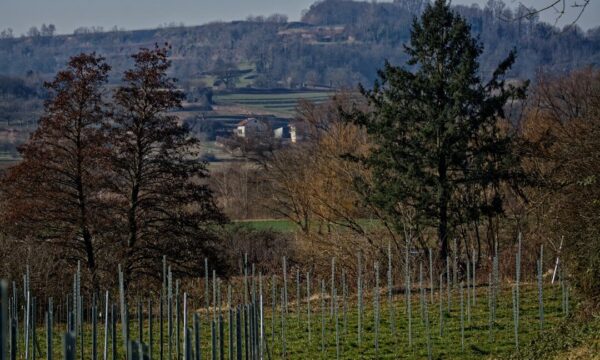
Keller
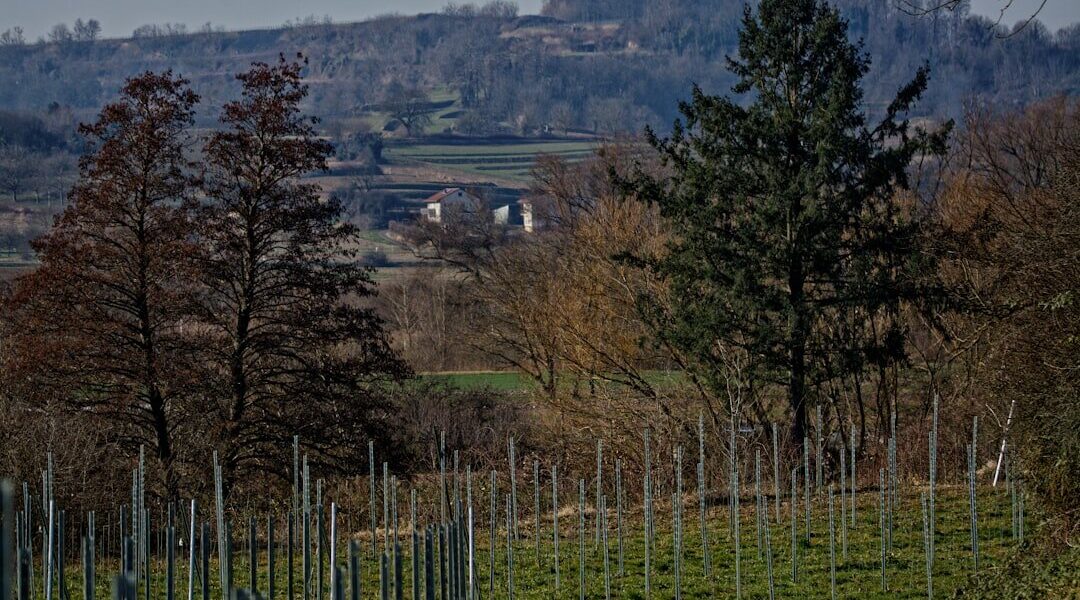
Estate Overview & Philosophy
Weingut Keller is a 21-hectare VDP family estate in Flörsheim-Dalsheim, led by Julia and Klaus Peter Keller and devoted to dry Riesling from the limestone soils of Rheinhessen.
An earlier directory entry misplaced the estate in Mainz and claimed biodynamic farming with extremely low yields, unsupported by any current source. The VDP now confirms Fair Choice certification, a Riesling share of 70%, and a broader grape mix than previously described.
Keller at a glance
| Base | Flörsheim-Dalsheim, Rheinhessen |
|---|---|
| Owners | Julia and Klaus Peter Keller |
| Cellarmasters | Klaus-Peter and Felix Keller |
| VDP area | 21 ha |
| Grape mix | 70% Riesling; 20% Pinot varieties and Silvaner; 10% Rieslaner and Scheurebe |
| VDP membership | Since 2000 |
Why this estate matters
Keller’s holdings span the limestone terroirs of Flörsheim-Dalsheim and Westhofen, extending to smaller parcels in Nierstein, Zellertal and the Mosel.
With such geographic range, the exact origin printed on each label carries real weight — it is never a formality.
The current VDP page names “von der Fels” as an accessible entry point into limestone Riesling. It also credits Felix Keller alongside Klaus-Peter in the cellar, replacing the outdated single-winemaker profile.
Vineyards and origin
Oberer Hubacker is a small, southeast-facing limestone Grosse Lage tied closely to the estate. Westhofener Morstein, Brunnenhäuschen, Kirchspiel and Aulerde form the other core Einzellagen. Pettenthal and Hipping lie in Nierstein; Goldtröpfchen and Schubertslay mark the Mosel holdings.
A vineyard name signals origin — not a guaranteed flavor profile or score. Geology, aspect and elevation shape how the vine grows, but vintage, harvest timing, fermentation, élevage and bottle age all leave their mark on the final wine.
Compare sites within the same vintage and style before crediting any difference to soil alone.
Wine range and farming
Dry Riesling remains the estate’s primary international calling card, but the range extends to Pinot varieties, Silvaner, Rieslaner, Scheurebe and Sekt. Not every Keller wine is Rheinhessen Riesling — and not every scarce bottle is a Grosses Gewächs.
The current VDP record confirms Fair Choice certification. It does not support the older profile’s blanket biodynamic claim, which has been removed accordingly.
How to buy and compare
Begin with “von der Fels,” then compare a Westhofen or Flörsheim-Dalsheim village wine against a same-vintage site-designated bottling. For auction lots and mature wines, demand exact AP numbers and solid provenance — scarcity alone is never an investment guarantee.
- Start with style. Match Trocken/GG, Feinherb or a specific Prädikat before comparing two origins.
- Read the whole label. Producer, vintage, village or vineyard, sweetness cue and AP number identify a wine far more reliably than a shelf tag.
- Use current technical data. Alcohol, residual sugar, vessel (Stückfass or steel) and release date can shift from bottling to bottling.
- For mature wine, verify provenance. Storage, fill level, closure and seller reputation matter more than any generic regional aging chart.
Classification and label context
The VDP hierarchy climbs from Gutswein through Ortswein and Erste Lage to Grosse Lage. Grosse Lage classifies the site itself; Grosses Gewächs (GG) denotes a dry wine from that site. Fruit-sweet wines from Grosse Lage vineyards instead carry Prädikat terms — Kabinett, Spätlese, Auslese. See our Grosse Lage vs GG guide.
Visiting and current details
The VDP lists the estate at Bahnhofstraße 1 in Flörsheim-Dalsheim, with Saturday visits available on request. Confirm current hours, reservation policy and availability directly with the estate before traveling.
Sources
- VDP: Keller estate profile
- VDP: detailed current holdings
- VDP: Oberer Hubacker profile
- Official estate website
Profile checked against the linked primary sources in August 2026. Estate details can change.
Frequently asked questions
What is Keller known for?
Dry limestone-grown Rheinhessen Riesling, especially from Oberer Hubacker and the Westhofen Einzellagen.
Is Keller a VDP member?
Yes. The current VDP grower directory lists Keller. The VDP is a private growers’ association; its classification is not identical to German wine law.
Which vineyards are associated with Keller?
Oberer Hubacker, Morstein, Brunnenhäuschen, Kirchspiel and Aulerde form the core origins, alongside additional holdings in Nierstein and the Mosel.
Can you visit Keller?
Policies, opening hours and tasting formats change. Check the linked official website immediately before travel and reserve where requested.