Riesling vs Grüner Veltliner: Taste, Pairing, Aging
Table of Contents
- Riesling vs Grüner Veltliner: Taste, Pairing, Aging
- The short answer
- Why this comparison matters
- Snapshot Comparison
- Region & Terroir Deep-Dive
- German Riesling
- Austrian Grüner Veltliner
- Viticulture & Winemaking Nuances
- Flavor Architecture
- Riesling’s Acid-Driven Palette
- Grüner’s Spice-Laced Profile
- Food Pairing Playbook
- Sweetness & Label Decoding
- Aging & Cellar Outlook
- Market & Value Snapshot
- Sustainability & Inclusivity Check
- How to Choose Tonight
- FAQ
- Bottom Line
- Related reading
Direct Answer: Riesling vs Grüner Veltliner Key Differences
Riesling is usually the more aromatic grape, offering citrus, peach, and floral notes across a spectrum from bone-dry to intensely sweet. Grüner Veltliner leans overwhelmingly dry, with citrus, stone fruit, herbs, and a signature peppery bite. Neither variety has one fixed acidity, body, or aging arc — region, vintage, and producer all shape the glass in front of you.
These two Germanic whites dominate their home countries while delivering fundamentally different drinking experiences. Knowing what separates them helps you choose the right bottle for your palate, your dinner table, or your cellar.
This guide breaks down the differences that actually matter: flavor, aging potential, regional expression, and food pairing strategy. Whether you’re new to these grapes or refining a serious collection, you’ll walk away knowing exactly which one belongs in your glass tonight.
The short answer

Choose Riesling for higher acidity, citrus and stone-fruit aromatics, dry-to-sweet flexibility, lower-alcohol Kabinett styles, spicy-food pairings, or serious bottle age. Choose Grüner Veltliner for a predominantly dry Austrian white with white pepper, citrus, herbs, a savory edge, and a natural affinity for vegetables, asparagus, schnitzel, and lighter seafood.
The fastest flavor cue: Riesling tastes lime-peach-mineral; Grüner Veltliner tastes citrus-herb-white pepper.
Why this comparison matters

Riesling and Grüner Veltliner get lumped together because both can be crisp, refreshing, and food-friendly. But the decision shifts once sweetness and age enter the picture.
Riesling offers a wider sweetness range and the deeper track record for long-cellar bottles. Grüner is usually dry, savory, and built for the table rather than the cellar.
Snapshot Comparison
| Feature | Riesling | Grüner Veltliner |
|---|---|---|
| Flagship Region | Mosel, Rheingau, Nahe | Wachau, Kamptal, Kremstal |
| Typical ABV | 8-12 % | 11-13.5 % |
| Core Aromas | Lime, green apple, white peach, petrol with age | White pepper, green bean, Meyer lemon, stone fruit |
| Acidity | Typically high, but bottle-specific | Often fresh to high, but bottle-specific |
| Sweetness Spectrum | Bone-dry to noble-sweet | Mostly dry; rare late-harvest |
| Cellaring | Many are early-drinking; selected dry and sweet wines can develop for years or decades | Many are early-drinking; concentrated examples can develop with bottle age |
For grape-style context, compare the German Wine Institute’s Riesling overview with Wine Folly’s Grüner Veltliner profile, which highlights the grape’s citrus, herbal, and white-pepper markers.
By the numbers: Grüner Veltliner is Austria’s most-planted grape at 14,423 hectares — 31.0% of the country’s total vineyard area — according to the Austrian Wine Marketing Board. Riesling covers roughly 55,000 hectares worldwide, with Germany alone farming about 24,233 hectares (2024) — nearly 23% of its total vineyard area — per the Deutsches Weininstitut, making Riesling Germany’s single most-planted grape.
Region & Terroir Deep-Dive
German Riesling

- Mosel: Steep Devonian slate slopes reflect sunlight back onto the vines, yielding electrifying 8–10% ABV wines with razor-sharp lime and wet-stone character. See our deep dive on Mosel Riesling’s terroir influence.
- Rheingau & Nahe: South-facing quartzite and Buntsandstein soils produce riper orchard fruit, higher alcohol, and a faint herbal lift.
- Climate Trend: Warm vintages can broaden and soften Riesling’s profile, but cool nights, careful picking, and high-acid sites help preserve the grape’s signature tension. Use our German Riesling vintage chart when comparing recent harvests.
Austrian Grüner Veltliner

- Wachau (Smaragd tier): Gneiss and granite terraces produce dense, spicy wines tipping past 13.5% ABV.
- Kamptal & Kremstal: Loess soils bring creamy texture, white pepper, and yellow stone fruit.
- Continental Moderation: Warm days and cool nights preserve freshness. Lighter Federspiel-style bottles feel crisp and lunch-friendly; fuller Smaragd-style bottles carry more body, alcohol, and cellar potential.
Insight: Grüner’s loess-rich zones buffer acidity, while Riesling’s slate amplifies it — hence the lime-versus-pepper divide between the two.
Viticulture & Winemaking Nuances
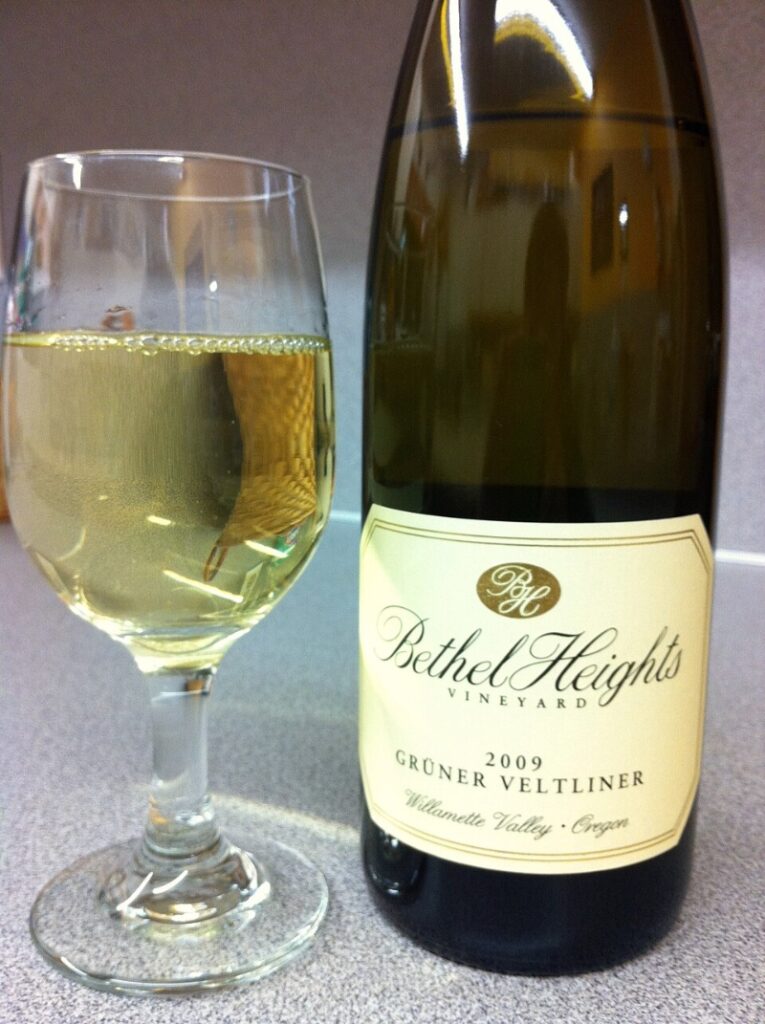
- Canopy Management: Riesling’s thin skins risk sunburn, so growers leave more leaf shade. Grüner’s thicker skins tolerate partial leaf removal, encouraging phenolic ripeness.
- Fermentation Vessels: German estates favor neutral stainless steel or old oak Stückfass to spotlight purity. Top Austrian producers often use large acacia casks, adding subtle tannin grip.
- Ripeness and sweetness: VDP.GROSSES GEWÄCHS designates a dry wine from a VDP.GROSSE LAGE vineyard under the private VDP classification. Prädikat terms in German wine law refer to must weight (grape ripeness) at harvest — they do not, on their own, dictate the finished wine’s sweetness. Grüner Veltliner is predominantly dry, but the label and producer technical sheet remain the reliable guides at the bottle level.
Flavor Architecture
Riesling’s Acid-Driven Palette

Expect a citrus-stone-petrol continuum: grapefruit pith, peach skin, honeysuckle. With age, these tertiary aromas shift toward paraffin, ginger, and marmalade.
Grüner’s Spice-Laced Profile

Classic markers: white pepper, snap pea, fennel pollen, giving way to ripe nectarine and smoky flint. Mature examples reveal beeswax and chamomile.
Pro Tip: Blind-tasting shortcut — pepper points to Grüner; kerosene points to aged Riesling.
Food Pairing Playbook

| Dish | Best Match | Why It Works |
|---|---|---|
| Sushi & sashimi | Mosel Kabinett Riesling | High acidity slices through fatty tuna; a touch of residual sugar balances soy salt. |
| Thai green curry | Wachau Federspiel Grüner | Pepper spice mirrors lemongrass heat; dry finish tempers coconut richness. |
| Pork schnitzel | Rheingau Trocken Riesling | Crisp apple and high acid cut through the fried crust. |
| Asparagus & hollandaise | Kamptal Reserve Grüner | Grüner’s vegetal edge echoes the asparagus, while its body stands up to the sauce. |
| Aged Gouda | Mature Mosel Spätlese | Caramelized cheese meets Riesling’s apricot-honey depth. |
Want a full matrix? Check our guide to perfect Riesling food pairings.
Sweetness & Label Decoding
Riesling Glossary

- Kabinett: A Prädikat based on minimum must weight; the finished wine may be dry or carry residual sugar.
- Spätlese: A higher must-weight category than Kabinett, yielding more concentration — but not necessarily more sweetness.
- Auslese: Made from fully ripe, selectively harvested grapes; styles range from dry to sweet. Beerenauslese, Eiswein, and Trockenbeerenauslese are the sweet specialities above it.
Grüner Hierarchy

- Steinfeder/Federspiel: 11–12.5% ABV, lithe and lively.
- Smaragd: 12.5%+, fuller texture, age-worthy.
Never treat Prädikat as a sweetness ladder. For German Riesling, look for a legal taste term such as Trocken or Halbtrocken, a producer specification, or a stated residual-sugar figure. Austrian DAC terms primarily signal origin and style requirements rather than a universal sweetness scale.
Aging & Cellar Outlook
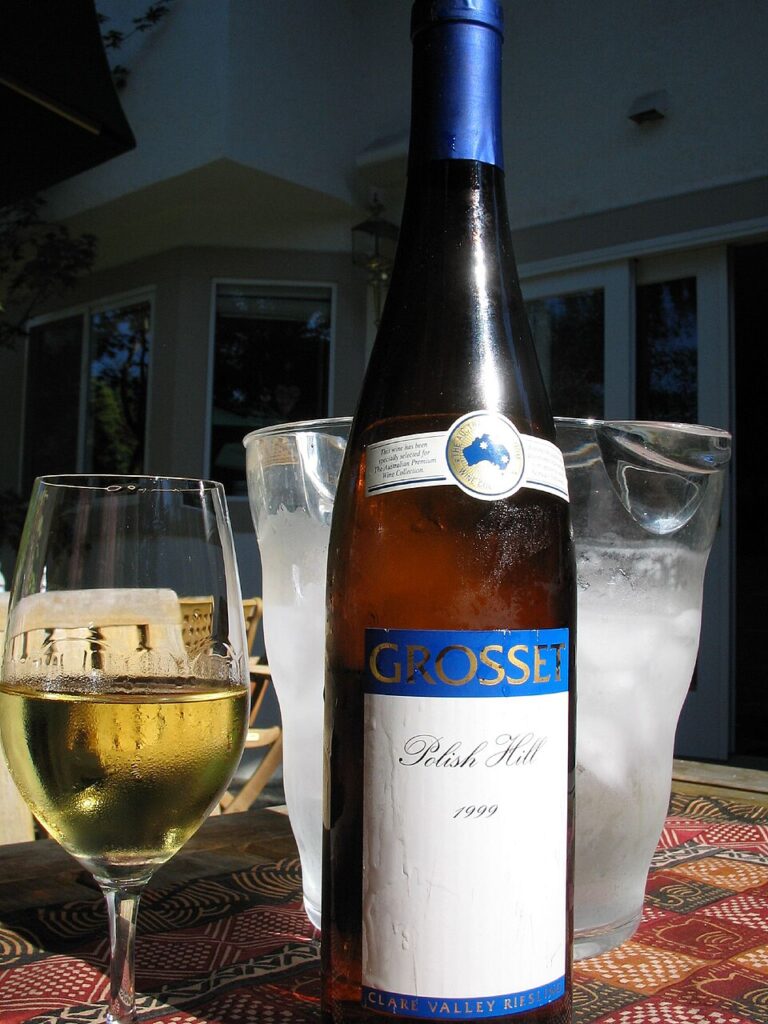
- Riesling: Many bottles are made for early drinking, while carefully crafted dry, off-dry, and sweet examples can develop for years or decades. Producer, vintage, closure, and storage matter more than the grape name alone.
- Grüner Veltliner: Lighter bottles reward youthful freshness; concentrated single-vineyard or reserve examples can gain savory complexity with age. Follow producer guidance for any specific bottle.
Cellar tip: For long-term aging, hold bottles at a cool, stable 10–15°C, away from bright light and vibration. Lay natural-cork bottles on their side; screw-cap bottles may stand upright.
Market & Value Snapshot
| Price Band (US) | Riesling | Grüner Veltliner |
|---|---|---|
| Entry (<$15) | Pfalz QbA — reliable citrus zip | Niederösterreich liter bottles — picnic-ready |
| Mid ($15–30) | Mosel Kabinett, Rheingau Trocken | Wachau Federspiel — peppery pop |
| Premium ($30–60) | Nahe Grosses Gewächs | Kamptal Reserve, Smaragd |
| Collectible ($60+) | Egon Müller Scharzhofberger Spätlese | FX Pichler “M” Smaragd |
Grüner still offers marginally better QPR (quality-to-price ratio) in the mid-tier, but blue-chip Rieslings command higher auction prices thanks to global cult demand.
Sustainability & Inclusivity Check

- Certification: Germany and Austria both maintain credible sustainability and organic certification pathways, but producer status changes over time. Check the estate’s site or back-label seal before treating a wine as organic, biodynamic, vegan, or carbon-reduced.
- Bottle weight: Packaging often dominates a wine’s transport footprint, so lightweight bottles and regional shipping choices matter when weighing sustainability claims.
Always verify producer credentials directly before buying on the strength of a sustainability claim.
How to Choose Tonight
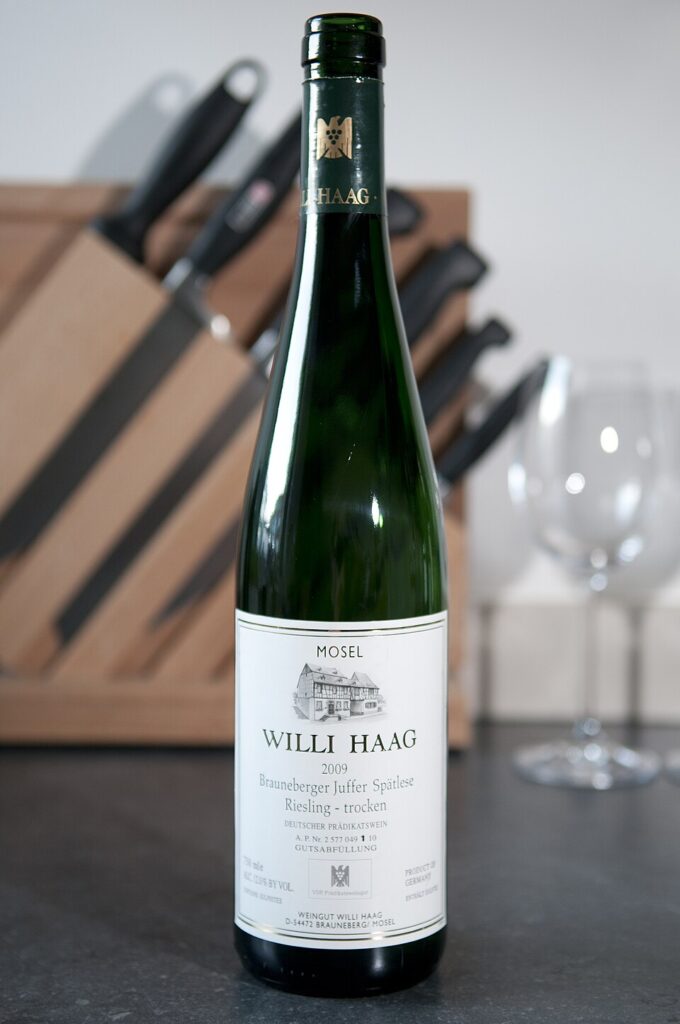
- Craving piercing acidity? Pick a Mosel Riesling Trocken.
- Need peppery kick for vegetables? Grab a Kamptal Grüner Reserve.
- Sweet tooth for dessert? Opt for a Riesling Auslese.
- Testing your cellaring patience? Stash a Grosses Gewächs Riesling for a decade; enjoy Smaragd Grüner within 5–8 years.
FAQ

What is the difference between Riesling and Grüner Veltliner?
u003cp class=u0022wp-block-paragraphu0022u003eRiesling commonly emphasizes citrus, peach, flowers, and high acidity, spanning dry through noble-sweet styles. Grüner Veltliner is predominantly dry, often showing citrus, stone fruit, herbs, and peppery spice. Exact acidity and aging potential depend on the bottle, not just the grape.u003c/pu003e
Riesling vs Grüner Veltliner: which should I choose?
u003cp class=u0022wp-block-paragraphu0022u003ePick Riesling for citrus-stone-fruit aromatics, sweetness flexibility, and long-cellar potential. Pick Grüner Veltliner for a dry, white-pepper-and-herb white built to pair with vegetables, asparagus, and schnitzel.u003c/pu003e
Does Grüner age like Riesling?
u003cp class=u0022wp-block-paragraphu0022u003eSome concentrated Grüner Veltliners age beautifully, but Riesling has a broader documented range of long-lived dry and sweet styles. Compare the producer, vineyard, vintage, and storage history rather than assuming one universal timeline.u003c/pu003e
Is petrol in Riesling a flaw?
u003cp class=u0022wp-block-paragraphu0022u003eNot automatically. A kerosene-like note tied to the aroma compound TDN can develop in Riesling, especially with bottle age, but preference and intensity vary. It should not be treated as proof of quality or maturity.u003c/pu003e
Can vegans enjoy both wines?
u003cp class=u0022wp-block-paragraphu0022u003eSometimes. Wine isn’t automatically vegan, since animal-derived fining agents may be used. Check a current producer statement or reliable certification for the specific bottle.u003c/pu003e
Which pairs better with asparagus, Riesling or Grüner Veltliner?
u003cp class=u0022wp-block-paragraphu0022u003eGrüner Veltliner usually wins with asparagus. Its white-pepper and green-bean notes echo the vegetable’s own character, and its savory, herbal profile handles the mineral bitterness of asparagus — especially with hollandaise — better than Riesling’s fruit-forward citrus profile. A bone-dry Kamptal or Wachau Grüner is the classic Austrian match for spring asparagus season.u003c/pu003e
Bottom Line
Riesling delivers laser acidity, a wide sweetness range, and the stronger long-cellar track record. Grüner Veltliner counters with peppery zest, savory dry styles, and exceptional vegetable pairings. Keep both in rotation: Riesling for spice, sweetness control, and age; Grüner for dry refreshment and savory food.
Related reading
- Riesling vs Chardonnay: Taste, Sweetness, Food Pairing
- Riesling Sweetness Levels Chart: German Riesling from Trocken to TBA
- Riesling Serving Temperature: Should Riesling Be Chilled?
- Pfalz vs Mosel Riesling: Complete Terroir and Flavor Comparison Guide
- Nahe Riesling Mineral Profile: Why 180 Soil Types Create Electric Wines
Germany Rieslings Editorial Team
German Wine Editorial ReferenceResearched, structured, and fact-checked against official Deutsches Weininstitut (DWI) documentation, German Federal Wine Law (Weingesetz), and VDP.Die Prädikatsweingüter standards.