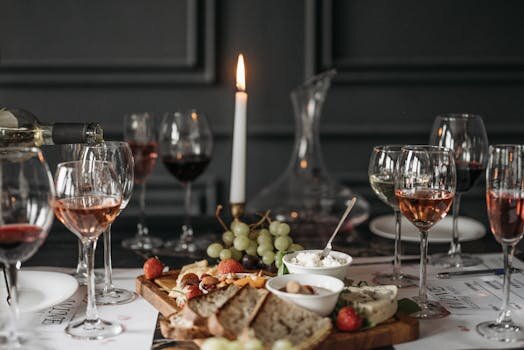
Riesling Serving Temperature: Practical Guide by Style
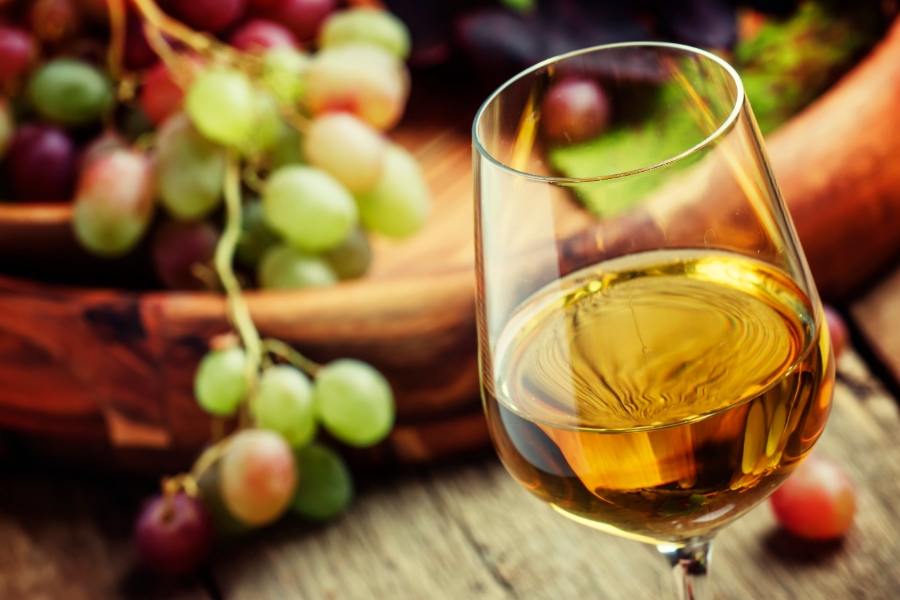
Serve a young, light German Riesling at 9–11 °C (48–52 °F) as your baseline. Fuller, mature, or more concentrated white wines reward a slightly warmer pour, closer to 11–13 °C (52–55 °F). Sparkling and intensely sweet bottles typically want more chill, but producer guidance should always outrank a generic chart.
German Riesling serving temperature chart

| Style | Starting range | Adjustment |
|---|---|---|
| Young, light Riesling or Kabinett | 9–11 °C / 48–52 °F | Let it warm if aroma seems muted |
| Fuller dry Riesling or mature bottle | 11–13 °C / 52–55 °F | Start near 11 °C and taste |
| German Riesling Sekt | Well chilled | Follow producer guidance; warm slowly in the glass |
| Intensely sweet Riesling | Often around 7–10 °C / 45–50 °F | Complex, mature examples may show better warmer |
The German Wine Institute recommends 9–11 °C for young, light whites such as Riesling Kabinett, and 11–13 °C for mature, more powerful whites. WSET offers similar guidance: chill light and medium-bodied whites more than full-bodied ones, and avoid dropping below roughly 6 °C, where flavor and aroma begin to disappear.
Why temperature changes the experience
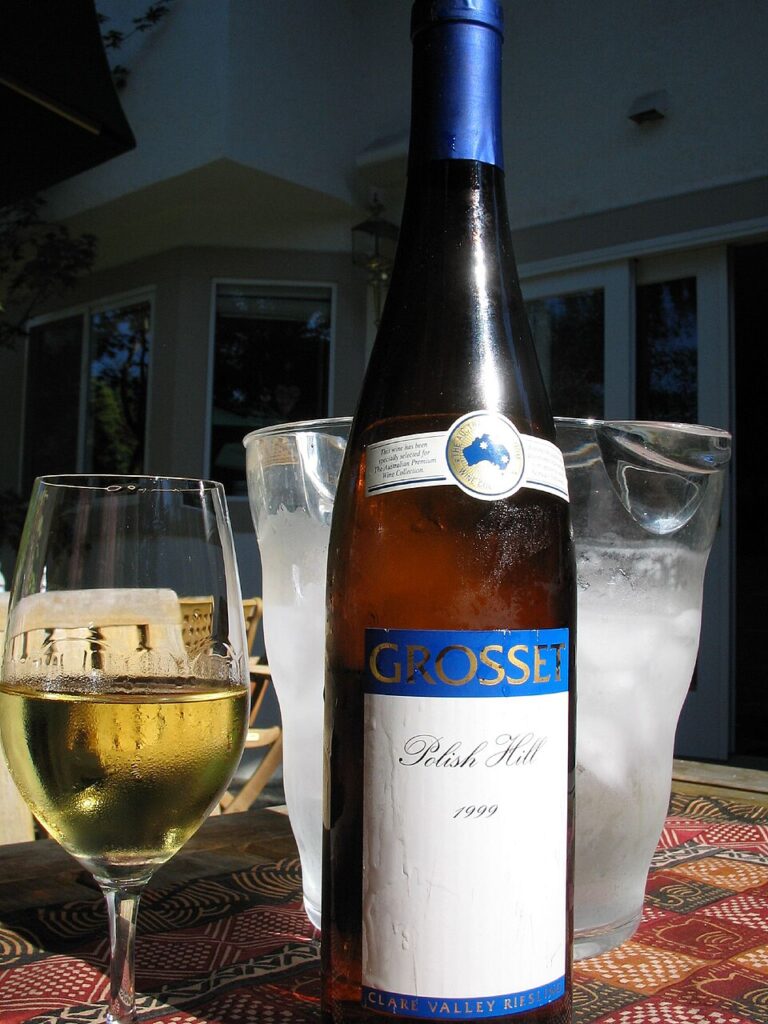
Cold wine releases aroma slowly and can mute perceived sweetness. Warmer wine opens up — more aroma, more alcohol, more breadth.
There’s no single perfect number. The wine warms in the glass the moment it’s poured, and glass shape, room temperature, pour size, and personal taste all shift the equation.
Choose the temperature by the bottle, not just the label

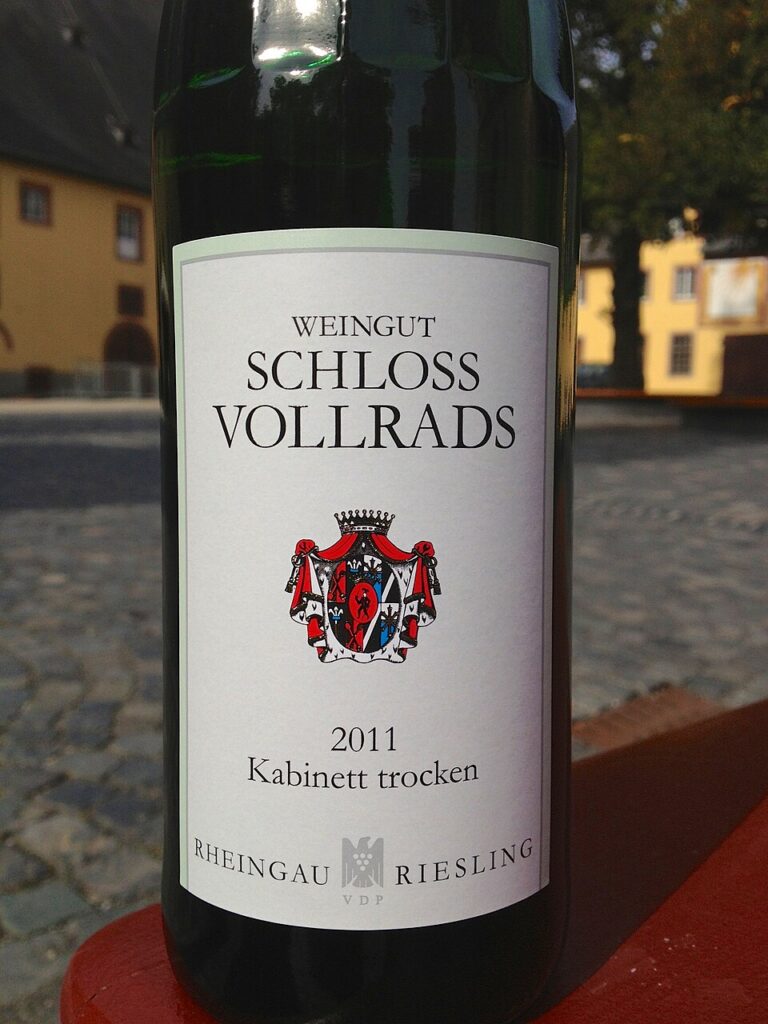
Kabinett and Spätlese are Prädikat designations based on harvest must weight (Oechsle) — they do not guarantee a finished sweetness level. A dry, concentrated Spätlese may need a warmer starting point than a delicate, off-dry Kabinett.
Likewise, Grosses Gewächs (GG) identifies a dry VDP wine from a classified Einzellage — but age, producer style, and cellar technique still shape how it should be served.
- Young and delicate: begin colder, then allow gradual warming in the glass.
- Fuller or mature: begin around 11 °C so aroma isn’t suppressed.
- Sparkling: keep well chilled to manage the pour and preserve freshness.
- Very sweet: begin cool, but don’t freeze out mature aroma.
How to chill Riesling

A refrigerator handles most short-term chilling needs. For faster results, WSET recommends an ice bucket filled with roughly equal parts ice and water so the bottle is fully submerged. Water conducts cold far more efficiently than ice alone.
If the wine turns out too cold, skip aggressive warming. Pour a small amount and let it sit. Cupping the bowl briefly, or simply leaving the glass at room temperature, brings it up gradually.
Serving temperature is different from storage temperature
Service is a short sensory decision. Storage protects the bottle over years.
WSET recommends a cool, constant 10–15 °C for long-term storage. A domestic refrigerator chills well, but it’s no substitute for stable cellar conditions.
Use a simple taste-and-adjust method

- Start near the lower end of the relevant range.
- Pour a small glass and smell before tasting.
- Wait three to five minutes if the aroma seems closed.
- Return the bottle to the ice bucket if it turns broad or too warm.
How long should Riesling chill?

There’s no dependable universal timer — refrigerator settings, starting temperature, bottle size, and glass thickness all vary. A bottle thermometer beats a fixed countdown every time.
Without one, chill ahead, pour a small sample, and use the taste-and-adjust method above.
For an opened bottle, return it to the refrigerator or an ice-water bucket between pours. A half-empty bottle warms faster than a full one — especially outdoors or in a warm dining room.
Common serving-temperature mistakes

- Serving every Riesling ice-cold: this can suppress aroma and flatten a complex bottle into something simple.
- Using Prädikat as a temperature rule: Kabinett and Spätlese describe must weight at harvest, not a fixed sweetness or body.
- Confusing cellar and service temperature: a bottle stored at 12 °C may still need a small adjustment for the style being poured.
- Forgetting the room: a small pour in warm weather can climb several degrees over a single conversation.
Frequently asked questions
What temperature should German Riesling be served at?
Start a young, light Riesling around 9–11 °C. Fuller, mature, or more concentrated white wines can show well around 11–13 °C. Treat these as starting points and adjust in the glass.
Can Riesling be served too cold?
Yes. WSET notes that chilling white wine below about 6 °C can mask aroma and flavor. If a bottle is too cold, leave it in the glass for several minutes and taste again.
Should sweet Riesling be served colder than dry Riesling?
Often slightly colder, but there’s no universal rule. Concentration, age, and producer guidance matter. Some intensely sweet wines are recommended around 7 °C, while complex dry Rieslings may show best at 10–12 °C.
How can I chill Riesling quickly?
Use an ice bucket filled with both ice and water so the bottle is surrounded by cold water. Rotate it gently and check frequently. Avoid the freezer unless you set a short timer.
Primary references
- German Wine Institute: wine tasting and service temperatures
- WSET: service and storage temperatures
- Schloss Johannisberg: dry Riesling producer guidance at 10–12 °C
Related reading
Germany Rieslings Editorial Team
German Wine Editorial ReferenceResearched, structured, and fact-checked against official Deutsches Weininstitut (DWI) documentation, German Federal Wine Law (Weingesetz), and VDP.Die Prädikatsweingüter standards.