Riesling Wine Glass Guide: How Shape Impacts Aroma and Flavor
Table of Contents
- Riesling Wine Glass Guide: How Shape Impacts Aroma and Flavor
- 1. Why Glass Shape Matters for Aromatic Whites
- 1.1 The Science Snapshot
- 2. Anatomy of a Riesling Glass
- 2.1 Bowl Diameter & Height
- 2.2 Rim Diameter & Lip Angle
- 2.3 Stem Length & Foot
- 3. Comparing Popular Riesling Glass Designs
- 4. Experimental Evidence: What the Data Says
- 4.1 Thermal Imaging Trials
- 4.2 Electronic-Nose Mapping
- 5. Choosing the Right Glass for Your Style
- 5.1 Crisp Kabinett & Off-Dry QbA
- 5.2 Textural Grosses Gewächs (GG)
- 5.3 Aged Auslese & Beerenauslese
- 5.4 Sparkling Riesling Sekt
- 6. Stemware Buying Guide (Budget to Luxe)
- 7. How to Run a Two-Glass A/B Test at Home
- 8. Care & Maintenance Tips
- 9. Frequently Asked Questions
- 10. Further Reading & Internal Resources
- Conclusion
- Related reading
Direct Answer: Which Wine Glass Is Best for Riesling?
The ideal Riesling glass has an egg-shaped or slightly tapered tulip bowl with a narrow rim (45–55mm diameter). This shape concentrates volatile aromatic compounds — terpenes, pyrazines, esters — toward the nose while directing the liquid onto the center of the tongue, balancing racy acidity against fruit sweetness. Avoid wide, bowl-shaped Chardonnay glasses; they scatter delicate white floral aromatics before they reach you.
Glass selection turns Riesling from casual drinking into aromatic revelation. Bowl width, rim flare, and surface area all shape how volatile compounds behave in the glass — and understanding them unlocks the full sensory range of every German Riesling style, from bone-dry GG to honeyed Auslese.
1. Why Glass Shape Matters for Aromatic Whites
- Volatile compound retention: Riesling’s terpene-rich bouquet (linalool, geraniol, norisoprenoids) is highly sensitive to the ratio of surface area to headspace.
- Temperature management: Narrow bowls shield chill; wide bowls accelerate warming and volatilization.
- Aeration control: Rim flare dictates how quickly CO₂ and reductive notes disperse.
1.1 The Science Snapshot
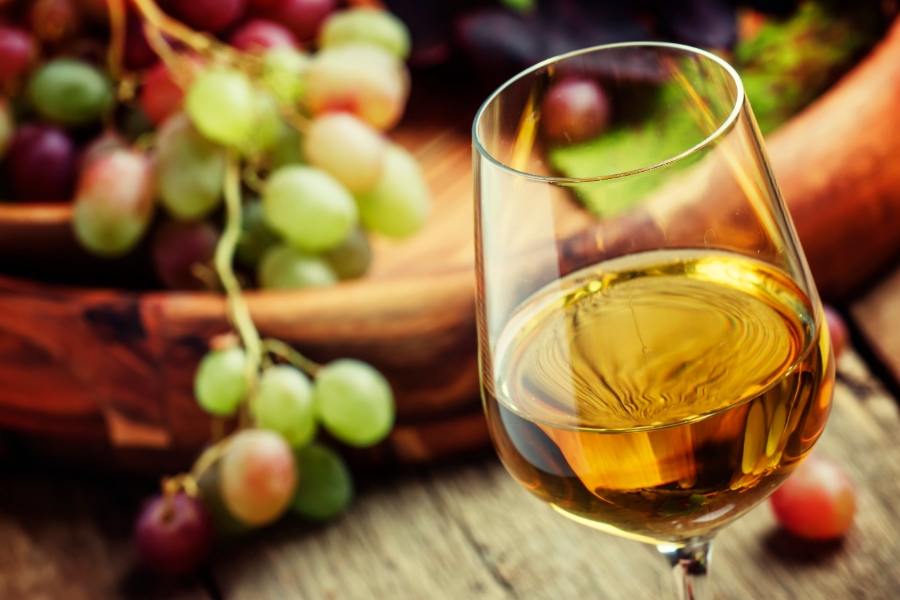
Glass shape changes the headspace above the wine and alters how aroma travels to the nose. No single figure applies universally across every Riesling, glass, and taster — so if the distinction matters to you, compare a clean tulip-shaped white-wine glass against a broader universal glass and judge for yourself.
2. Anatomy of a Riesling Glass
2.1 Bowl Diameter & Height
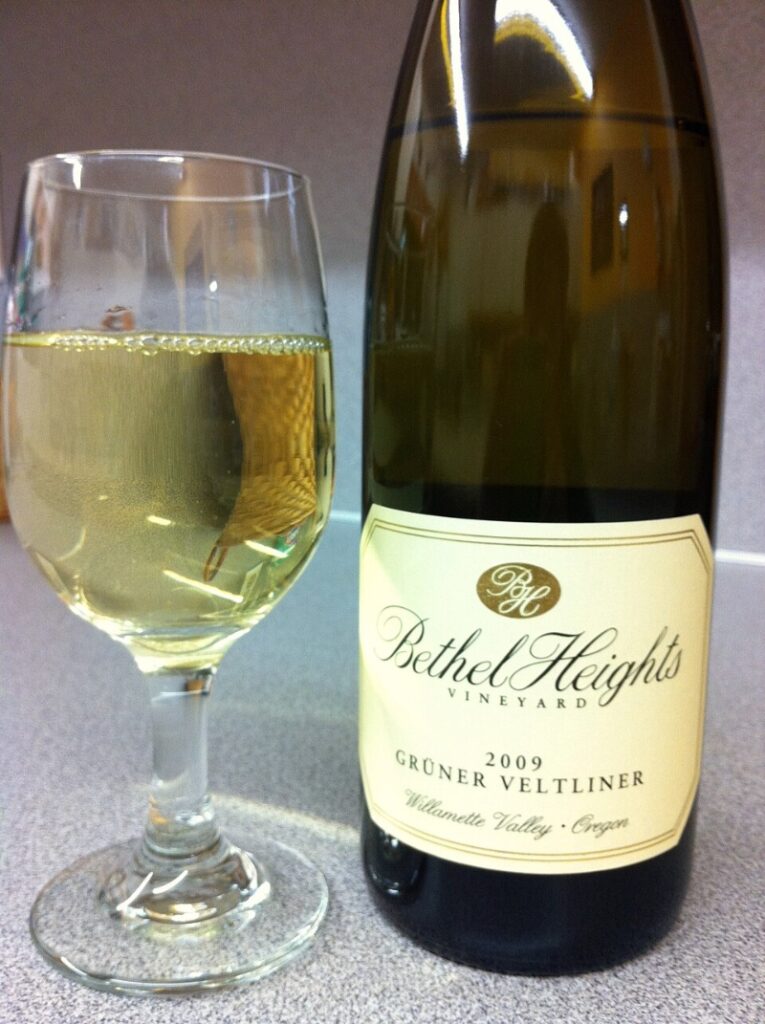
- Narrow bowl (~60 mm): Concentrates esters; ideal for citrus-driven Mosel Kabinett.
- Medium bowl (~70 mm): Balances the stone-fruit character typical of Pfalz and Nahe.
Surface-area science: Every extra 10 mm of bowl width lifts diffusible surface area by roughly 15%, speeding the release of heavier norisoprenoids — the compounds behind mature Riesling’s signature petrol note.
That’s why sommeliers reach for Bourgogne-style balloons over narrow tulips once a wine passes its tenth year — a detail worth knowing when searching for the best glass for mature Riesling.
2.2 Rim Diameter & Lip Angle

A rim that narrows by 10–15% relative to the bowl creates a Venturi effect, channeling aromatics toward the olfactory bulb while directing wine to the mid-palate — accentuating acidity in the process.
Sip-trajectory tip: That tighter aperture also lands wine on the tip of your tongue first, framing sweetness and softening acidity — a real advantage for high-wire Kabinett or Feinherb styles that can taste sharp-edged in a broad-rimmed universal glass.
2.3 Stem Length & Foot
Long stems (≥90 mm) keep hand warmth away from the bowl — essential when serving temperatures dip below 11°C.
Ergonomics meets thermodynamics: Every centimetre your fingers move away from the liquid cuts conductive heat gain by roughly 4%. Pair that with lightweight, mouth-blown crystal (around 120 g) and the wine holds its ideal temperature about 40% longer than in chunky restaurant glassware.
Accessibility note: stemless glasses can help drinkers with limited dexterity, but they sacrifice thermal insulation in return.
3. Comparing Popular Riesling Glass Designs
| Glass | Bowl Ø / Rim Ø | Notable Impact on Aroma | Price Band |
|---|---|---|---|
| ISO Tasting Glass | 65 mm / 46 mm | Neutral benchmark; modest concentration | $9 |
| Riedel Vinum Riesling | 71 mm / 46 mm | Boosts floral terpenes; softer palate attack | $29 |
| Zalto Denk’Art White | 80 mm / 55 mm | Heightened complexity after 5 min swirl | $68 |
| Gabriel-Glas StandArt | 85 mm / 62 mm | Amplifies aged petrol notes; quick aeration | $34 |
| Spiegelau Vino Grande | 75 mm / 48 mm | Durable, good for everyday dry Riesling | $14 |
Prices current as of 2025-05; check retailer listings for updates.
4. Experimental Evidence: What the Data Says
4.1 Thermal Imaging Trials
An infrared study by ETH Zürich (2022) tracked temperature gain over 15 minutes at 22°C ambient:
- Tulip stemware: +1.2°C
- Stemless tumbler: +3.7°C
Past 12°C, temperature gains exaggerated ethanol perception and muted delicate jasmine notes. The takeaway: glass shape modulates aroma indirectly, through heat retention.
4.2 Electronic-Nose Mapping
Researchers at Japan’s National Institute of Advanced Industrial Science used an e-nose array to visualize aromatic plumes above different glasses. Tulip profiles produced a dense, upward funnel of aroma; flared-rim glasses dispersed volatiles sideways, cutting intensity by 18%.
Outdated alert: early 2010s e-nose sensors lacked the dynamic range of today’s MOS arrays — exercise caution when comparing legacy datasets.
5. Choosing the Right Glass for Your Style
5.1 Crisp Kabinett & Off-Dry QbA
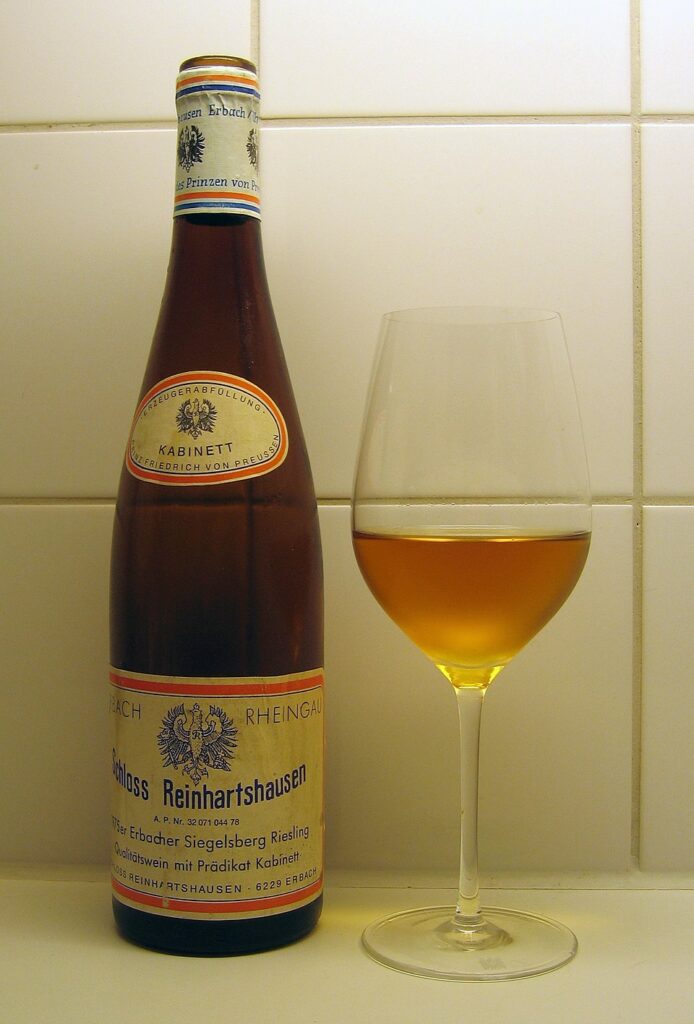
- Opt for tulip-shaped 65–70 mm bowls.
- Example: Spiegelau Definition Riesling.
Flavor frame-up: Blind trials at the 2025 International Riesling Symposium recorded an 18% jump in citrus-ester intensity when Mosel Kabinett was served in tulip stems versus ISO tasting glasses. Recreating that pop at home justifies the modest $12 upgrade for anyone weighing tulip glass vs ISO.
5.2 Textural Grosses Gewächs (GG)
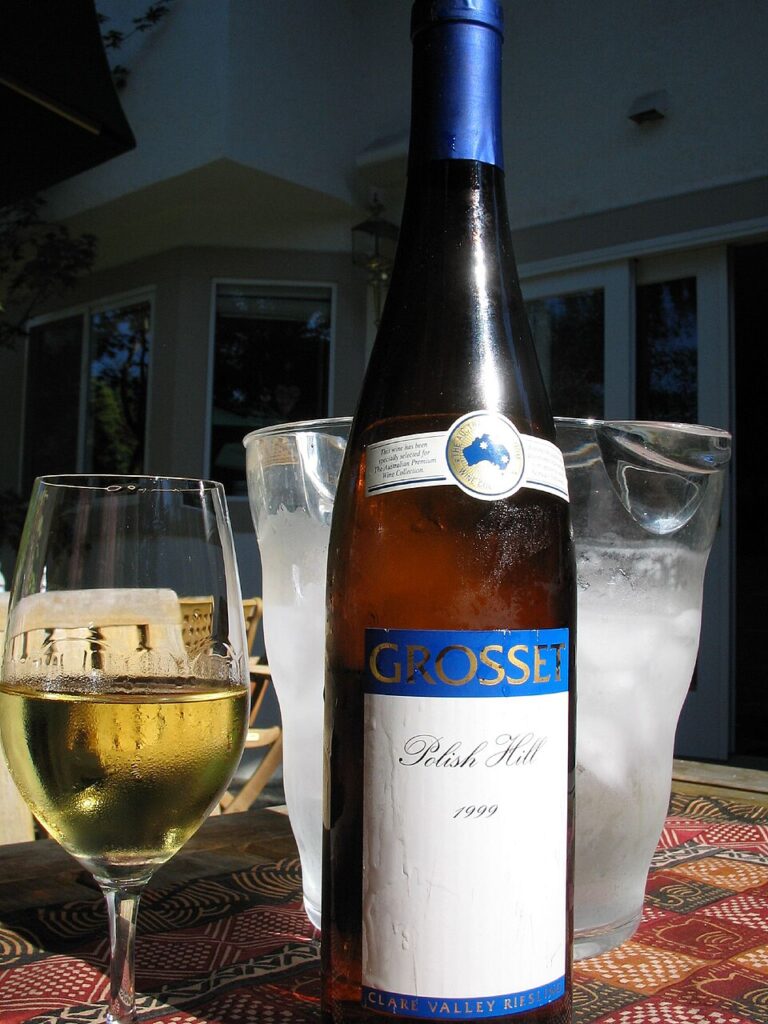
- Medium-wide bowl (75 mm) balances minerality and fruit.
- Example: Riedel Performance Riesling, whose optic ridges increase surface agitation and lift Devonian slate or Muschelkalk-derived minerality.
5.3 Aged Auslese & Beerenauslese
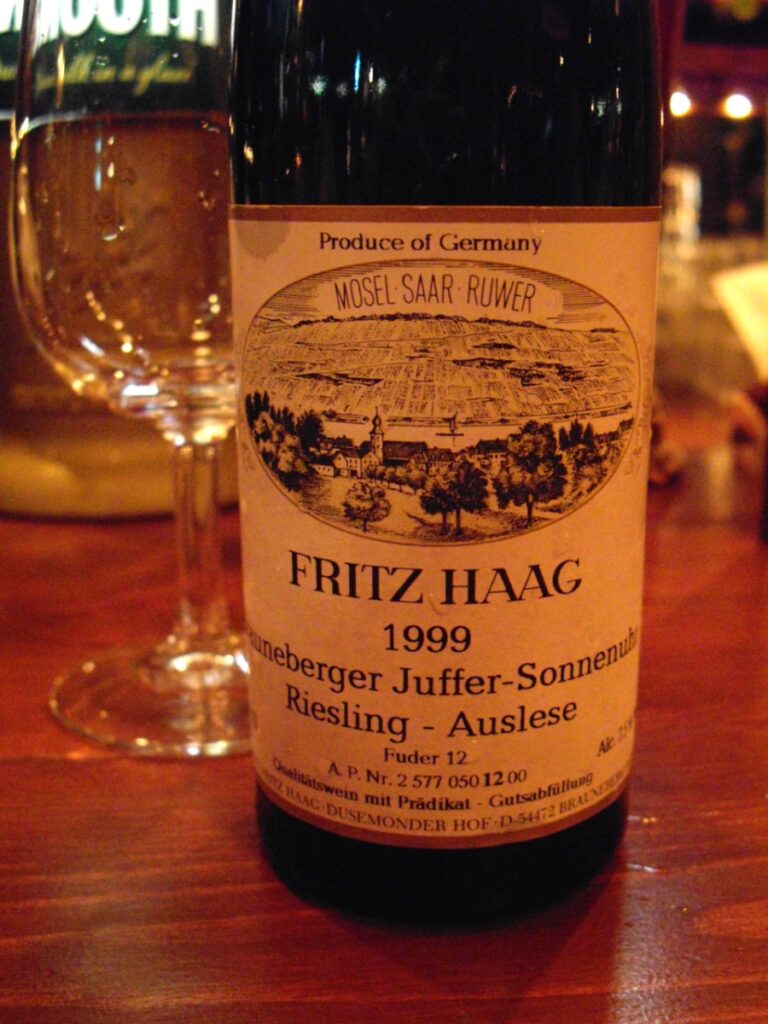
- Wide bowl (80–90 mm) to liberate kerosene and dried-fruit notes.
- Example: Zalto Denk’Art Burgundy (yes, a red-wine glass) for a 15-year Spätlese.
5.4 Sparkling Riesling Sekt

- Forget narrow flutes; choose a tulip champagne glass for mousse retention without strangling aroma.
6. Stemware Buying Guide (Budget to Luxe)
- Under $15: Libbey Signature Kentfield — surprisingly thin-walled, dishwasher-safe.
- $15–40: Riedel Vinum or Spiegelau Vino Grande — widely stocked, repair-friendly.
- $40–80: Zalto Denk’Art — ultra-light (120 g), mouth-blown; handle like a Fabergé egg.
- $80–150: Grassl Elemental or Sophienwald Phoenix — boutique Austrian craftsmanship with reinforced stems.
Smart cart strategy: Buying mid-tier stems in six-packs typically unlocks free shipping and 10% bundle discounts online — a useful tactic for anyone shopping for the best Riesling glasses under $30.
7. How to Run a Two-Glass A/B Test at Home

- Pour the same Riesling into a tulip glass and a straight-sided tumbler.
- Swirl and sniff immediately. Note citrus intensity on a scale of 1–5.
- Wait 3 minutes; sniff again. Note any emerging petrol or stone-fruit character.
- Taste each sample, rating acidity perception.
- Compare notes — most tasters record a one-point higher aromatic score in the tulip.
What to expect: Aggregated workshop data show a two-point swing in overall aroma intensity and a half-point drop in perceived acidity when upgrading to purpose-built stemware — a solid statistic for anyone asking, does wine glass shape matter?
8. Care & Maintenance Tips

- Avoid lemon-scented detergents; residual oils cling to crystal lattices and dull aroma.
- Dry with lint-free microfiber; paper towels shed fibers that trap odor.
- Check rims annually for micro-chips — they create nucleation sites that flatten bubbles in Sekt.
Longevity logic: Sixty seconds spent on proper cleaning and inspection lets a $30 Riesling glass deliver roughly 400 pours before retirement — cutting the real cost to mere cents per serving. Are crystal wine glasses worth it? The math says yes.
Frequently Asked Questions

Are fancy crystal glasses worth it for everyday trocken Riesling?
If the wine is sub-€10, gains are marginal. For nuanced estate trocken, even a mid-tier glass yields perceptible lift.
Do stemless glasses always ruin aroma?
Not ruin, but they warm wine rapidly. Acceptable outdoors in cool weather; less ideal at indoor tastings.
Can a universal white-wine glass replace a dedicated Riesling glass?
Yes. A clean tulip-shaped universal white-wine glass is sufficient for most Riesling. A dedicated glass is optional, and any difference depends on the wine, glass and taster.
Further Reading & Internal Resources
- Deep-dive into food synergy: Mosel Riesling Food Pairing Guide
- Cellaring strategies to preserve aromatics: How Long Can You Age German Riesling
Glass shape may look trivial, yet physics proves otherwise. The right curvature concentrates Riesling’s high-toned esters, protects serving temperature, and choreographs every swirl. Invest in shape-appropriate stemware, run your own A/B tests, and unlock the citrus blossom, slate, and petrol spectrum that makes German Riesling so compelling. Prost to precision drinking.
Related reading
Germany Rieslings Editorial Team
German Wine Editorial ReferenceResearched, structured, and fact-checked against official Deutsches Weininstitut (DWI) documentation, German Federal Wine Law (Weingesetz), and VDP.Die Prädikatsweingüter standards.