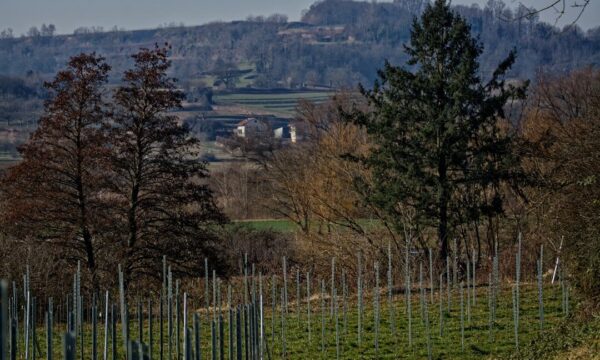
Pfalz vs Mosel Riesling: Complete Terroir and Flavor Comparison Guide
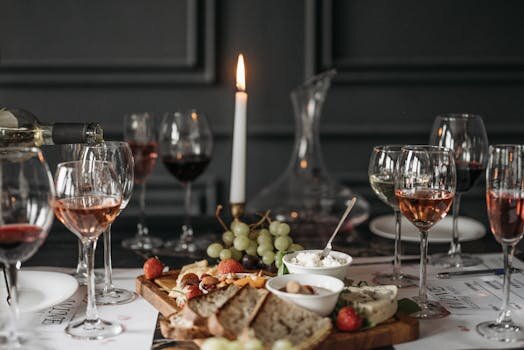
The essential difference between Pfalz and Mosel Riesling comes down to weight and flavor architecture. Mosel Riesling is light-bodied and high-strung with acidity, delivering green apple, lime, and crushed slate minerality. Pfalz Riesling, ripened under a warmer, sun-drenched sky, arrives fuller-bodied — ripe yellow peach, citrus zest, and earthy spice define the profile. Mosel built its reputation on sweet and off-dry Kabinett and Spätlese; Pfalz specializes in powerful, dry (Trocken) Riesling built to stand up to richer food.
Table of Contents
- Pfalz vs Mosel Riesling: Complete Terroir and Flavor Comparison Guide
- Climate change impacts reshaping regional differences
- Quick-Glance Differences
- Terroir & Climate Science
- Pfalz: Sun-Baked Limestone & Sandstone
- Mosel: Cool Slate & River Mirrors
- Flavor Architecture
- Aroma Spectrum
- Acid-Sweetness Ballet
- Texture & Mouthfeel
- Cellar & Vineyard Practices
- Food Pairing Playbook
- Buying Guide & Vintage Watch
- Sustainability & Climate Outlook
- Conclusion: Choose Your Adventure
- Related reading
Direct Answer: Pfalz vs Mosel Riesling Key Differences
Mosel Riesling is cool-climate and light-bodied (8%–11.5% ABV), driven by piercing acidity and flavors of green apple, lime blossom, and wet Devonian slate. Pfalz Riesling ripens in a warmer, sun-drenched climate shielded by the Haardt Mountains — fuller-bodied (12%–13.5% ABV), richer in dry extract, with ripe yellow peach, apricot, citrus zest, and a spicy, earthy undertone from its volcanic and limestone soils.
These two German Riesling powerhouses demonstrate terroir’s grip on wine character more clearly than any other regional comparison. Understanding what separates them helps you choose bottles that match your flavor preferences, food pairings, and drinking occasions.
Climate change impacts reshaping regional differences
Quick-Glance Differences
| Attribute | Pfalz Riesling | Mosel Riesling |
|---|---|---|
| Climate | Warm, dry, Rhine-influenced | Cool, slate-lined river bends |
| Typical Alcohol | 12–13% vol | 7.5–11% vol |
| Acidity | Medium-high, juicy | High, laser-sharp |
| Signature Flavors | Ripe peach, Meyer lemon, spice, touch of smoke | Green apple, lime zest, white blossom, wet slate |
| Sweetness Spectrum | Mostly Trocken & Halbtrocken | Broad — from Kabinett Feinherb to botrytised BA/TBA |
| Aging Curve | 5–10 years (dry), 15+ years (GG) | 10–40 years (sweet), 5–15 years (dry) |
Figures reflect average values from the 2019–2024 vintages; watch for rising alcohol levels as summers grow warmer.
Terroir & Climate Science
Pfalz: Sun-Baked Limestone & Sandstone
- Latitude: 49° N, on par with Champagne.
- Rain shadow: the Haardt range blocks Atlantic winds, keeping rainfall near 600 mm annually — ideal conditions for organic viticulture.
- Soils: Buntsandstein (colored sandstone) lends smokiness; Kalkmergel (limestone marl) sharpens stone-fruit aromatics.
- Growing Degree Days (GDD): roughly 1,500 — comparable to Burgundy’s Côte d’Or, which explains Pfalz’s ripe phenolics.
Mosel: Cool Slate & River Mirrors
- Latitude: 50° N, but nights run cooler. Slopes as steep as 70% face south, and the slate reflects sunlight back onto the vines.
- Soils: Devonian blue and red slate heats rapidly, driving sugar accumulation while acidity stays intact.
- Rainfall: around 800 mm, offset by excellent drainage.
- Diurnal shift: swings of 15–20°C lock in tension and floral complexity.
Climate data updated through the 2024 vintage — note rising GDD in the Mosel (≈1,300) as summers trend warmer.
Flavor Architecture
Aroma Spectrum
- Pfalz: ripe yellow peach, mirabelle plum, ginger, a whisper of smoke from the sandstone. Warmer vintages like 2022 can bring tropical hints of pineapple.
- Mosel: green apple skin, lime cordial, white peach, jasmine, and a haunting wet-slate minerality that deepens with bottle age.
Acid-Sweetness Ballet
- Pfalz: medium-high acidity (≈7.0 g/L), typically balanced by dry or off-dry finishes. The effect is broad and mouth-coating — biting into a juicy peach with a squeeze of lemon.
- Mosel: piercing acidity (8.5–9.5 g/L) paired with natural residual sugar in lighter alcohol frames. The result is electric — even Spätlese styles taste fresh rather than cloying.
Texture & Mouthfeel
- Pfalz Grosses Gewächs (GG): lees stirring and larger oak Stückfass barrels build creamy mid-palate weight without dulling fruit clarity.
- Mosel Kabinett: feather-light at 7.5–9% vol, held taut by acidity — it drinks like cold mountain air.
Cellar & Vineyard Practices
- Spontaneous vs. Cultured Yeasts
- Top Pfalz estates, such as Bürklin-Wolf, favor spontaneous ferments to layer in savory phenolics.
- Mosel’s Egon Müller often relies on cool, slow ferments to preserve volatile esters.
- Oak Use
- Pfalz: neutral or lightly toasted tonneaux for GG bottlings.
- Mosel: largely stainless steel or old Fuder casks; oak flavor is rare.
- Must Weight & Picking Windows
- Pfalz grapes routinely hit 90+ °Oechsle, enabling bone-dry Erste Lage bottlings.
- Mosel growers often pick in multiple passes, reserving later, botrytis-touched fruit for gold-capsule Spätlese or Auslese.
Food Pairing Playbook
| Dish | Pfalz Riesling | Mosel Riesling |
|---|---|---|
| Roast pork belly with crackling | Trocken GG — cuts fat, echoes spice | Spätlese Feinherb — balances salt & sweetness |
| Thai green curry | Dry, citrus-driven Ortswein | Kabinett — acid/sugar cools chili heat |
| Sushi & sashimi | Mineral Pfalz Kalkofen vineyard bottlings | Off-dry Kabinett — elevates soy & wasabi |
| Aged Gouda | Stone-fruit richness syncs with caramel notes | Auslese — complex sweet-savory harmony |
More pairing detail in our Mosel Rieslings Terroir Influence guide.
Buying Guide & Vintage Watch
- Pfalz Standouts (2019–2023):
- 2021 — high acidity, classic balance; a cellar staple.
- 2022 — warm, plush fruit; drink sooner or pair with richer fare.
- Mosel Must-Have Vintages (2018–2023):
- 2019 — near-perfect tension, built to last decades.
- 2023 (barrel) — cool and aromatic; expect vibrant Kabinett.
Prices range €15–€25 for quality Ortswein, €35–€60 for GG, and €20–€40 for Kabinett/Spätlese; rare Beerenauslese soars higher. Always verify provenance — counterfeit sweet Mosel bottles have surfaced on secondary markets in China, flagged in 2024.
Sustainability & Climate Outlook
German growers face potential average temperature rises of 2°C by 2050. Pfalz will likely see higher alcohols (13.5% vol+) and softer natural acidity; Mosel may shift toward drier styles as sugar ripeness arrives earlier each year. Look for estates investing in:
- Canopy management to shade berries.
- Cover cropping for soil moisture retention.
- Organic & biodynamic certification — Pfalz leads with over 25% certified acreage.
Climate data beyond 2024 remains provisional and may shift these flavor predictions further.
Conclusion: Choose Your Adventure
- Choose Pfalz if you love generous stone-fruit, textural depth, and food-versatile dry wines.
- Choose Mosel if you crave aromatic lift, crystalline acidity, and age-worthy sweet wines.
Ready to explore further? Our deep dive on Nahe Riesling Mineral Taste Profile covers a midway style that fuses freshness with fruit weight.
Pro tip: Blind-taste both regions side by side at matched residual sugar levels, and you’ll hear just how loudly terroir can speak. Try it and tag us with your notes. Prost!
Frequently Asked Questions
Is Mosel Riesling dry or sweet?
Is Pfalz Riesling dry or sweet?
Which region produces the best Riesling?
What foods pair best with Pfalz vs Mosel Riesling?
Related reading
Germany Rieslings Editorial Team
German Wine Editorial ReferenceResearched, structured, and fact-checked against official Deutsches Weininstitut (DWI) documentation, German Federal Wine Law (Weingesetz), and VDP.Die Prädikatsweingüter standards.