The Complete Mosel Education: Part 1 – The River That Created Wine Greatness
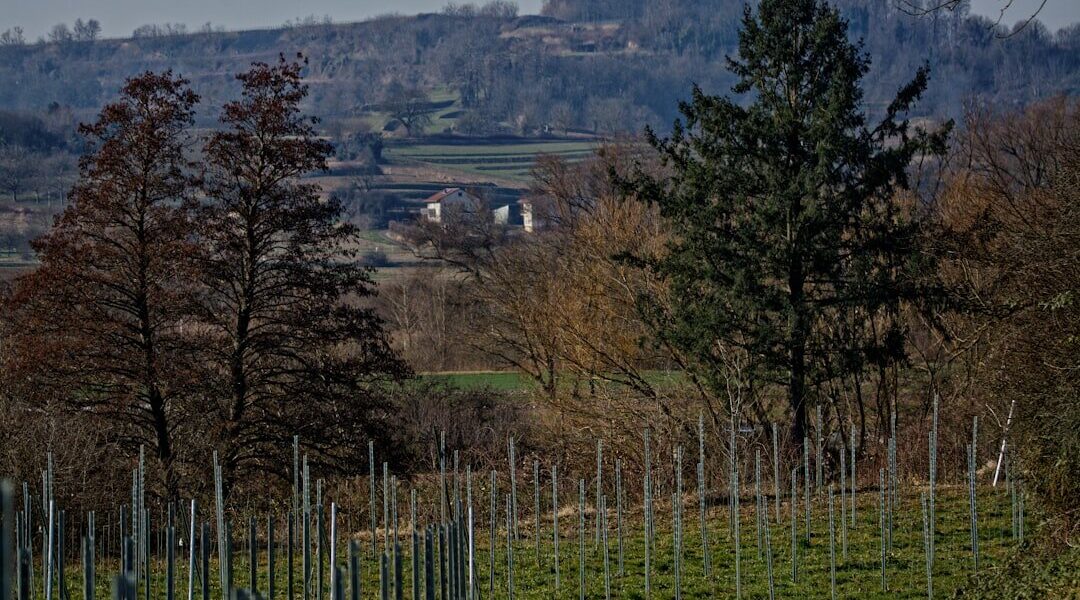
Table of Contents
- The Mosel Miracle: Where Geography Meets Destiny
- The River’s Gift: Microclimate Creation
- The Slate Revolution: Understanding Mosel’s Foundation
- Blue Slate vs. Red Slate: The Geological Divide
- The Physics of Slate Viticulture
- The Steep Slope Challenge: Viticulture at the Edge
- Why Steepness Equals Greatness
- The Human Cost of Excellence
- Climate Precision: The Northern Edge Advantage
- Growing Season Dynamics
- The Goldilocks Zone
- Water Management: The Underground Network
- Natural Irrigation
- The Terroir Expression Hierarchy
- Top Tier: Grosse Lage (Grand Cru Sites)
- Second Tier: Erste Lage (Premier Cru Sites)
- Village Level: Ortsweine
- Modern Challenges and Adaptations
- Climate Change Adaptation
- Labor Shortage Solutions
- Market Education Needs
- What’s Next in Our Mosel Education
- Key Takeaways: Why Mosel Matters
- Related reading
Direct Answer: What Makes the Mosel Region Unique?
The Mosel is defined by extreme steep-slope viticulture—gradients reaching 68°—and Devonian slate soils in blue, grey, and red variants. A cool northern microclimate, moderated by the Mosel, Saar, and Ruwer rivers, completes the equation. Slate absorbs daytime solar heat and radiates it back to the vines after dark. The result: low-alcohol Rieslings (7.5%–11.5% ABV) with piercing acidity, delicate floral aromatics, and unmistakable slate minerality.
The Mosel River carves one of the world’s most dramatic and productive wine landscapes as it winds through Germany. This is not simply another wine region.
It represents what happens when geography, climate, and human determination combine at the outer edge of viable viticulture. The result is Riesling of singular precision.
This series examines every facet of Mosel Riesling production—from the geological forces that shaped these legendary soils to the winemaking decisions that translate them into the glass.
The Mosel Miracle: Where Geography Meets Destiny
The Mosel River rises in France’s Vosges Mountains, flows through Luxembourg, and enters Germany at the ancient Roman city of Trier.
From there it meanders for 195 kilometers through a landscape so precisely suited to Riesling that it seems purpose-built for the grape.
The River’s Gift: Microclimate Creation
The Mosel River functions as a thermal regulator, moderating conditions that would otherwise be too harsh for quality viticulture at this northern latitude (49–50°N). During the growing season, the river:
- Reflects sunlight onto the vineyard slopes, increasing light exposure by up to 30%
- Stores heat by day and releases it slowly at night, extending the growing season
- Generates morning fog that shields vines from late spring frosts
- Moderates temperature extremes, preventing winter damage and summer heat stress alike
This effect is so pronounced that vineyards just 500 meters from the river often experience markedly different conditions than those set further inland.
The river acts as a natural cooling system, extending the growing season and preserving the searing acidity that defines Mosel Riesling.
The Slate Revolution: Understanding Mosel’s Foundation
If the river is the Mosel’s circulatory system, slate is its skeleton. The region’s Devonian slate, laid down 400 million years ago, creates growing conditions found nowhere else on earth.
Blue Slate vs. Red Slate: The Geological Divide
Blue Slate (Blauschiefer):
- Composition: Pure slate, high mineral content
- Heat retention: Absorbs and stores heat efficiently
- Drainage: Excellent, preventing root rot
- Wine character: Mineral precision, razor-edged acidity, ethereal elegance
- Famous sites: Bernkasteler Doktor, Wehlener Sonnenuhr, Graacher Himmelreich
Red Slate (Rotschiefer):
- Composition: Iron-rich slate with red clay inclusions
- Heat retention: Stores even more heat than blue slate
- Water retention: Slightly higher holding capacity
- Wine character: Fuller body, more fruit intensity, spiced notes
- Famous sites: Ürziger Würzgarten, Erdener Treppchen, Kanzemer Altenberg
The Physics of Slate Viticulture
Slate is not a geological curiosity—it functions as a sophisticated natural winemaking mechanism:
- Heat absorption: Dark slate surfaces can reach temperatures 20–30°F above ambient air, forming natural heating pads for vine roots
- Heat radiation: Stored warmth rises at night, extending photosynthesis and Oechsle development
- Water management: Slate’s layered structure permits deep root penetration while ensuring flawless drainage
- Mineral transfer: Weathered slate delivers the exact mineral profile that amplifies Riesling’s natural character
The Steep Slope Challenge: Viticulture at the Edge
Mosel vineyards rank among the world’s steepest, with many sites exceeding 70% grade (roughly 35°). This is not spectacle for its own sake—it is essential to quality.
Why Steepness Equals Greatness
Maximum sun exposure:
- South-facing slopes capture optimal light throughout the day
- Steep angles prevent shading between vine rows
- Enhanced UV exposure boosts flavor compound development
Perfect drainage:
- Gravity prevents water stagnation around vine roots
- Rapid runoff avoids dilution during harvest rains
- Natural erosion maintains optimal soil composition
Concentrated flavor development:
- Stressed vines yield smaller, more concentrated berries
- Lower yields intensify flavor compounds
- Extended hang time builds aromatic complexity
The Human Cost of Excellence
Working Mosel’s steep slopes demands extraordinary dedication:
- All work is done by hand—mechanization is impossible
- A single worker can tend only 0.5 hectares, versus 2–3 hectares on flat land
- Harvest demands specialized equipment and considerable stamina
- Production costs run three to four times higher than on flat vineyard sites
This is why Mosel wines command premium prices. Every bottle represents dozens of hours of demanding labor on slopes so steep that workers rely on ropes and pulleys to move through the rows.
Climate Precision: The Northern Edge Advantage
The Mosel’s continental climate, softened by maritime influence, creates ideal conditions for slow ripening and acid retention:
Growing Season Dynamics
Spring (March–May):
- Late bud break guards against frost
- River fog offers natural protection
- Gradual warming prevents premature growth
Summer (June–August):
- Long days—16+ hours of daylight in June
- Moderate temperatures preserve acidity
- River moderation prevents heat stress
Autumn (September–November):
- Extended harvest window allows selective picking
- Cool nights preserve aromatics
- Late-season warmth concentrates sugars while acidity holds firm
The Goldilocks Zone
The Mosel occupies viticulture’s Goldilocks Zone—warm enough to ripen Riesling consistently, cool enough to preserve the bright acidity and delicate aromatics that define these wines.
This precise balance explains why attempts to replicate the Mosel style in warmer climates consistently fall short.
Water Management: The Underground Network
Beneath the Mosel’s dramatic surface lies an equally impressive underground water system.
Natural Irrigation
- Bedrock springs: Slate formations channel groundwater to vine roots
- Seasonal storage: Winter precipitation collects in slate fractures
- Drought resistance: Deep root systems reach water unavailable to surface crops
- Stress management: Controlled water access produces beneficial vine stress
This natural system means Mosel vineyards rarely need artificial irrigation, even in dry years—producing wines of remarkable concentration and mineral complexity.
The Terroir Expression Hierarchy
Understanding Mosel terroir means recognizing how different sites express the same fundamental elements in distinct ways:
Top Tier: Grosse Lage (Grand Cru Sites)
- Bernkasteler Doktor: Blue slate perfection, medicinal minerality
- Wehlener Sonnenuhr: Sundial precision, elegant power
- Ürziger Würzgarten: Spice-garden intensity, red slate warmth
- Graacher Himmelreich: Balance and finesse of near-mythic proportion
Second Tier: Erste Lage (Premier Cru Sites)
- Bernkasteler Graben: Classic Bernkastel character, slightly softer intensity
- Graacher Domprobst: Structure and dignity befitting its name
- Wehlener Klosterberg: Quiet serenity with underlying power
Village Level: Ortsweine
- Bernkasteler: Village blend showcasing regional character
- Graacher: Communal expression of local terroir
- Wehlen: Town-level representation of site diversity
Modern Challenges and Adaptations
Today’s Mosel producers must balance tradition against a shifting set of pressures:
Climate Change Adaptation
- Earlier harvest dates—now beginning in September rather than October
- Higher alcohol potential requiring careful canopy and yield management
- Increased weather volatility demanding flexible winemaking decisions
Labor Shortage Solutions
- Monorail systems for transporting materials up steep slopes
- Precision viticulture to maximize labor efficiency
- Cross-training programs to preserve traditional skills
Market Education Needs
- Consumer education on the labor required to produce these wines
- Price justification for hand-harvested, low-yield production
- International market development for premium German wines
What’s Next in Our Mosel Education
This foundational understanding of Mosel geography and climate sets up the deeper exploration ahead. Coming installments cover:
- Part 2: Individual Einzellagen and what distinguishes each site
- Part 3: The great producers and their distinctive styles
- Part 4: Vintage variation and how weather shapes Mosel wines
- Part 5: Food pairing and serving technique for maximum enjoyment
- Part 6: Investment potential and collecting strategy
Key Takeaways: Why Mosel Matters
The Mosel is a masterclass in how geography creates greatness. From the river’s thermal regulation to slate’s mineral contribution, every element works in concert to produce wines of distinctive elegance and complexity.
Understanding the Mosel means understanding terroir at its most precise expression. These wines are liquid translations of one of the world’s most dramatic and functional wine landscapes.
For Wine Professionals: This knowledge is essential for selling and serving German wines with authority.
For Wine Enthusiasts: Understanding terroir deepens appreciation and sharpens purchasing decisions.
For Collectors: The Mosel offers some of the world’s best value in age-worthy, terroir-driven wine.
The Mosel River has shaped wine greatness for over 2,000 years. Now you understand why every sip carries the essence of this extraordinary landscape.
Continue with the related Mosel guides below for vineyard, vintage, food-pairing, and serving context. Germany Rieslings relies on published sources and does not claim producer interviews or first-hand tasting notes.
Next: Complete Mosel Education Part 2: The Einzellagen – Germany’s Grand Cru Vineyards
Related reading
Germany Rieslings Editorial Team
German Wine Editorial ReferenceResearched, structured, and fact-checked against official Deutsches Weininstitut (DWI) documentation, German Federal Wine Law (Weingesetz), and VDP.Die Prädikatsweingüter standards.