Kolonne Null Riesling 2025: What to Know Before You Buy
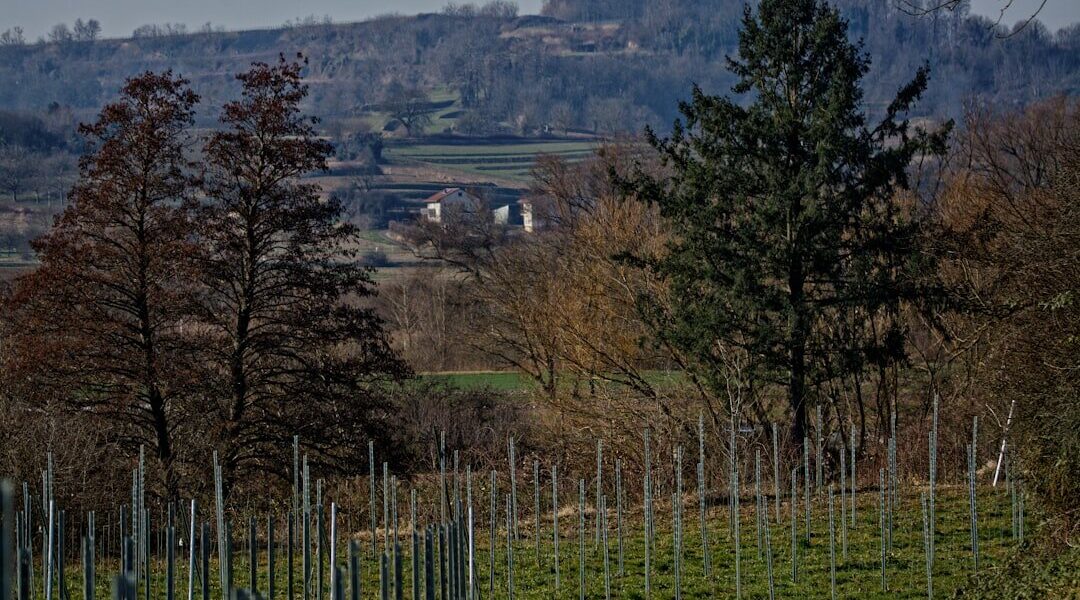
Kolonne Null Riesling 2025 is a 0.0% ABV, organic dealcoholized Riesling from Germany. The producer points to loamy loess and slate as its terroir context, describing flavors of mirabelle, quince and a saline edge. Judge it on its own terms — as an alcohol-free table wine — rather than as a stand-in for a conventional single-vineyard German Riesling.
As of August 2026, Kolonne Null’s product page lists the 2025 vintage in its current range. Alcohol-free wine releases, pricing and availability shift quickly, so confirm the exact bottle and label before ordering.
Kolonne Null Riesling 2025 at a glance
| Detail | Current producer information |
|---|---|
| Vintage | 2025 |
| Grape | Riesling |
| Origin | Germany |
| Alcohol | 0.0% ABV |
| Certification | Organic; vegan; gluten-free |
| Soil / terroir wording | Loamy loess and slate |
| Energy | 16 kcal per 100 mL |
| Sugars | 2.8 g per 100 mL |
| Category | Dealcoholized wine |
The published sugar figure equals 28 g per liter on a nutritional basis. Resist comparing that number directly against Germany’s legal Prädikat sweetness categories for conventional wine. This is a dealcoholized product with its own formulation and production method — not a Kabinett or Spätlese.
How is Kolonne Null Riesling made?
Kolonne Null starts with fully fermented wine and removes alcohol through vacuum distillation. Under vacuum, alcohol evaporates at far lower temperatures than under normal atmospheric pressure — the producer cites a process running around 30°C.
An aroma-recovery step follows dealcoholization, capturing volatile compounds that would otherwise be lost. The current Riesling’s ingredient list includes dealcoholized German wine, rectified concentrated grape must, carbon dioxide and sulfur dioxide.
What should it taste like?
Kolonne Null’s tasting description emphasizes ripe mirabelle, quince and a salty edge. The brand positions its alcohol-free white-wine range as acidic and mineral-driven, rather than soft or tropical.
That’s the producer’s framing, not an independent tasting note from Germany Rieslings. Dealcoholization inevitably reshapes body, warmth and texture — a 0.0% wine won’t replicate the mid-palate weight or finish that alcohol contributes to a conventional Riesling.
Who is this bottle best for?
- Drinkers who want a wine-format pour with zero alcohol at dinner or social gatherings.
- Hosts who want a bottle that sits naturally alongside wine, rather than defaulting to soda or juice.
- Riesling drinkers curious how acidity and aromatic character translate after dealcoholization.
- Anyone comparing alcohol-free wines on their own merits, not as a substitute for conventional wine.
Who may be disappointed?
- Drinkers seeking the texture, length and alcohol-derived body of a conventional German Riesling.
- Collectors chasing Einzellage expression, bottle development or cellar potential.
- Buyers who assume “0.0% Riesling” automatically means bone-dry. Check the published nutrition against your own sweetness preference.
- Anyone buying from an old review without confirming which vintage or formulation is currently on sale.
How to serve Kolonne Null Riesling
Serve it well chilled in a white-wine glass. A cool serving temperature lets acidity and freshness carry more of the structural weight that alcohol normally provides.
The producer suggests seafood, light pasta and fruit-based desserts. For a more savory pairing, try sushi or lightly salted seafood — dishes where acidity does more work than tannin or alcohol.
How does it compare with low-alcohol Riesling?
A 0.0% dealcoholized Riesling and a naturally low-alcohol Mosel Kabinett solve different problems. A Kabinett may still carry 7–9% ABV while retaining fermentation-derived texture and aroma. Kolonne Null strips the alcohol after fermentation to reach true 0.0%.
If you want less alcohol rather than none, compare this bottle with our low-alcohol German Riesling guide. If sweetness is your main concern, use the German Riesling sweetness guide.
What to check before buying
- Confirm the vintage. This page reflects the 2025 Riesling listed by Kolonne Null in August 2026.
- Check the alcohol statement on the exact bottle. Kolonne Null sells other products below 0.5% ABV alongside its 0.0% range.
- Check the ingredient and allergen list if it matters to you; the current Riesling contains sulfites.
- Compare the current nutrition against other alcohol-free wines, especially if sweetness is a deciding factor.
- Treat retailer price and availability as time-sensitive, not permanent product attributes.
Bottom line
Kolonne Null Riesling 2025 is a credible choice when the goal is a 0.0% wine-style drink built from fermented Riesling rather than grape juice. Its strongest case is practical: recognizable Riesling acidity and fruit in a format that removes alcohol entirely. Buy it for that role — not in hopes it will reproduce the structure of a traditional Mosel, Rheingau or Nahe Riesling.
Primary sources
- Kolonne Null: Riesling 2025 product page
- Kolonne Null: FAQ and alcohol information
- Kolonne Null: dealcoholization and production method
Related reading
Germany Rieslings Editorial Team
German Wine Editorial ReferenceResearched, structured, and fact-checked against official Deutsches Weininstitut (DWI) documentation, German Federal Wine Law (Weingesetz), and VDP.Die Prädikatsweingüter standards.