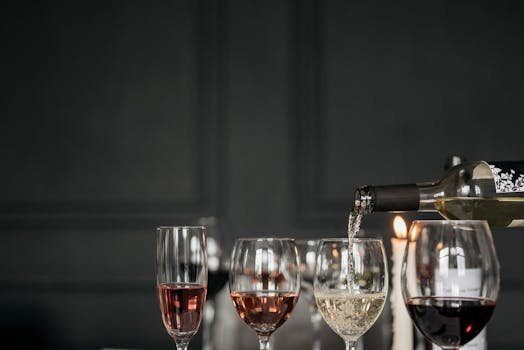
Riesling vs Chardonnay: Taste, Sweetness and Pairings
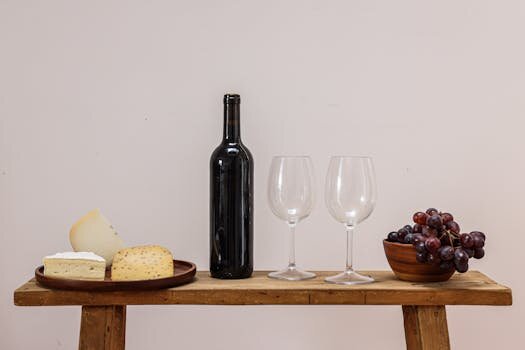
Riesling is typically more aromatic, higher in acidity and ranges from bone-dry to intensely sweet; Chardonnay is generally vinified dry and spans a spectrum from lean and unoaked to rich, creamy and oak-influenced. Neither stereotype holds absolute. A dry German Riesling and a Chablis can both cut with steely precision, while a powerful dry Riesling and a barrel-aged Chardonnay can share surprising weight and texture.
Riesling vs Chardonnay at a glance
| Feature | Riesling | Chardonnay |
|---|---|---|
| Typical aroma | Apple, citrus, peach, floral notes; aged examples may develop a petrol-like TDN character | Apple, citrus, pear or tropical fruit; oak and malolactic conversion may add toast, vanilla or butter |
| Sweetness | Trocken, Feinherb, and fruit-sweet to noble-sweet Prädikat styles | Most still examples are dry, with exceptions |
| Acidity | Commonly high and retained late into ripening | Ranges from high and taut to soft, depending heavily on climate and winemaking |
| Body | Light to full, shaped by ripeness, sweetness, alcohol and élevage | Light to full, often shaped by climate, oak, lees and malolactic conversion |
| Oak | Stainless steel and neutral Stückfass are common; overt new-oak character is possible but atypical | Can be unoaked or heavily oak-influenced |
| Classic origins | Germany, Alsace, Austria, Australia and the Finger Lakes | Bourgogne, Champagne, California, Australia and many other regions |
Taste: aromatic Riesling versus adaptable Chardonnay
WSET classifies Riesling among the intensely aromatic grape varieties. German examples commonly show apple, peach and citrus.
Site, ripeness and bottle age can introduce floral, herbal, stony or petrol-like notes. The German Wine Institute cites lively fruity acidity as a defining trait, though this doesn’t prescribe a single flavor profile across every region or Einzellage.
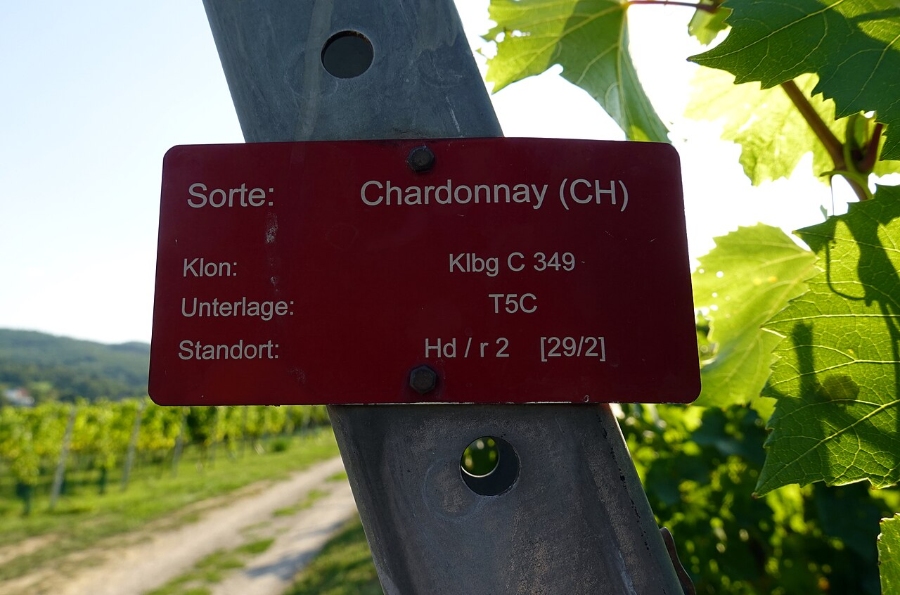
Chardonnay is often described as a more neutral canvas. Cool-climate examples emphasize citrus, green apple and taut acidity; warmer sites bring stone fruit or tropical notes and broader body.
Winery choices leave a clear fingerprint. Fermentation or maturation in oak, extended lees contact and malolactic conversion can add texture and flavors associated with toast, cream or butter. Producers can just as easily block those processes and rely on stainless steel for a leaner, more linear style.
Sweetness: do not confuse richness with sugar

Riesling’s range is far wider. German Riesling may be Trocken, Halbtrocken, Feinherb, a fruit-sweet Kabinett or Spätlese, or a concentrated noble-sweet Auslese.
Prädikat alone does not dictate final sweetness: a Spätlese can finish bone-dry, and a Kabinett can retain sugar. Consult our German Riesling sweetness guide to read the terms correctly.
Most still Chardonnay is dry, but dry does not mean lean. Ripe fruit, alcohol, oak, lees and malolactic conversion can make a dry Chardonnay taste broad, creamy or almost sweet-fruited.
Conversely, a dry Riesling can feel austere because racy acidity changes how sweetness registers on the palate. Compare the label and technical sheet, not the grape stereotype.
Acidity, body and alcohol

Riesling is prized for retaining acidity even as sugars climb through ripening. Residual sugar can balance that acidity in lower-alcohol styles, while a fully fermented dry Riesling commonly carries more alcohol and a firmer structure.
There is no honest universal ABV range for the grape—read the exact bottle.
Chardonnay changes dramatically with climate. WSET contrasts cool-climate Chablis, built on Kimmeridgian limestone and bright with acidity, against warmer or oak-aged Chardonnay that can turn fuller and softer.
Malolactic conversion lowers perceived sharpness and can produce a buttery aroma, but this is a winemaking decision—not an automatic trait of the grape.
Which wine should you choose for dinner?
| Dish | Useful starting point | Adjustment |
|---|---|---|
| Sushi, oysters or simple white fish | Dry Riesling or unoaked cool-climate Chardonnay | Choose the lighter, less oaky bottle |
| Lobster or chicken in a cream sauce | Fuller Chardonnay | Match the wine’s body and oak to the sauce |
| Schnitzel, roast pork or fatty fish | Dry Riesling | Acidity refreshes; choose a more concentrated wine for richer preparations |
| Thai curry or another chilli-hot dish | Off-dry, lower-alcohol Riesling | WSET notes alcohol can intensify heat while slight sweetness can soften its perception |
| Blue cheese | Sweet Riesling | Match the cheese’s salt and intensity with sufficient sweetness and concentration |
| Roast vegetables or mushrooms | Either | Use dry Riesling for brightness or Chardonnay for a rounder, savory match |
No wine chemically “emulsifies fat,” and sugar does not bind away capsaicin. Pairing guidance describes perception and balance, not a guaranteed molecular reaction. Our Riesling and Asian-food guide explains the heat distinction in depth.
How to choose at the store

- Want dry and aromatic? Look for Riesling Trocken.
- Want light, off-dry and refreshing? Check a fruity German Kabinett’s ABV and producer description.
- Want crisp Chardonnay? Look for an unoaked style or a cool-climate origin; Chablis is Chardonnay.
- Want creamy or toasty Chardonnay? Seek producer notes mentioning barrel fermentation, oak, lees or malolactic conversion.
- Need exact sweetness? Use the technical sheet. Fruit aroma and body are not residual-sugar measurements.
Which ages better?

Both grapes make early-drinking wines and long-lived classics. Riesling’s acidity, and in sweet styles its sugar, can support decades of development.
High-quality Chardonnay from top sites and producers built for cellaring can also evolve for decades. Storage, closure, vintage and bottling all matter—reject one-size-fits-all windows. Use our Riesling aging guide for bottle-level decisions.
Frequently asked questions
What is the main difference between Riesling and Chardonnay?
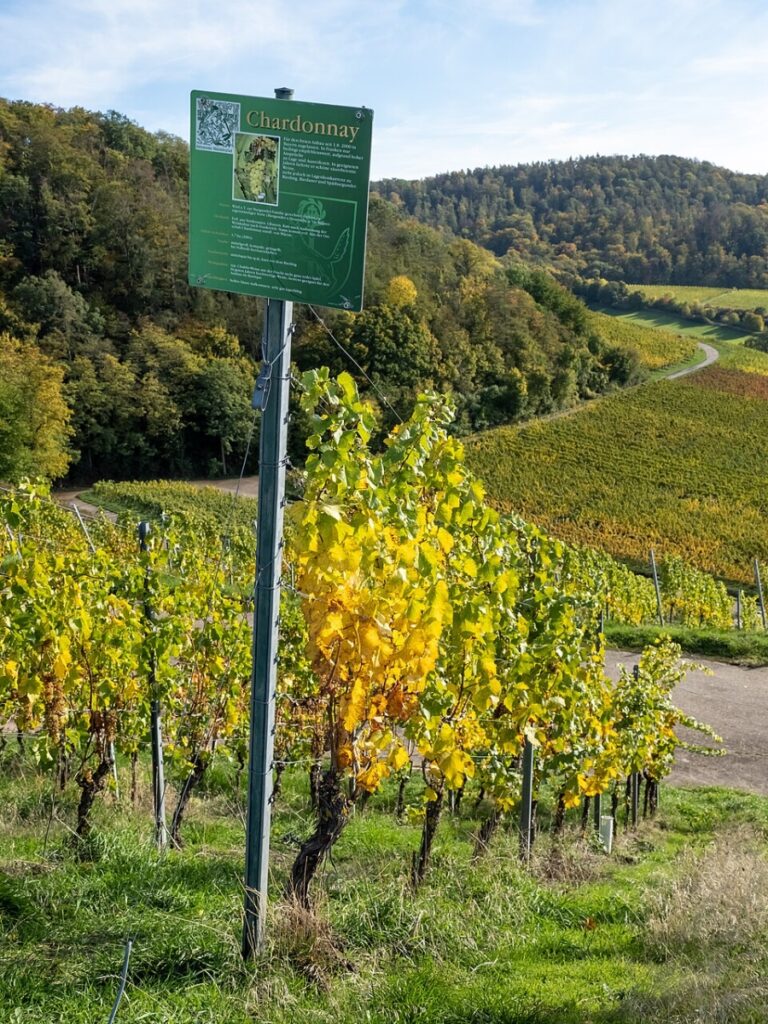
Riesling is usually more overtly aromatic, naturally high in acidity and produced in styles ranging from dry through intensely sweet. Chardonnay is generally dry and often shows more influence from climate and cellar choices such as oak, lees contact and malolactic fermentation.
Is Riesling sweeter than Chardonnay?
Not necessarily. Riesling can be dry, off-dry or sweet, while most still Chardonnay is dry. A Riesling labelled Trocken is legally dry; an oaked Chardonnay may taste rich or fruity without containing meaningful sweetness.
Which is more acidic, Riesling or Chardonnay?
Riesling commonly retains high acidity, but Chardonnay can also be high in acid, especially from a cool climate such as Chablis. Finished acidity varies with site, vintage, ripeness and winemaking, so the grape name alone is not a laboratory result.
Is Chablis Riesling or Chardonnay?
Chablis is a wine region in Bourgogne, France, and its still white wines are made from Chardonnay. The word Chardonnay may not appear prominently on a French appellation label, which is why Chablis is sometimes mistaken for a separate grape.
Which ages better, Riesling or Chardonnay?
Top examples of both can age for decades, while simple examples of either may be best enjoyed young. Producer, vineyard, vintage, concentration, closure and storage matter more than declaring one grape universally longer-lived.
Sources
- German Wine Institute: Riesling profile
- WSET: understanding Riesling in Germany
- WSET: Chardonnay styles and winemaking choices
- WSET: acidity in Riesling and Chardonnay
- Bourgogne Wine Board: Chardonnay
Related comparisons
Germany Rieslings Editorial Team
German Wine Editorial ReferenceResearched, structured, and fact-checked against official Deutsches Weininstitut (DWI) documentation, German Federal Wine Law (Weingesetz), and VDP.Die Prädikatsweingüter standards.