Rheingau Riesling Travel Guide: Top Vineyards, Wine Villages & Scenic Routes
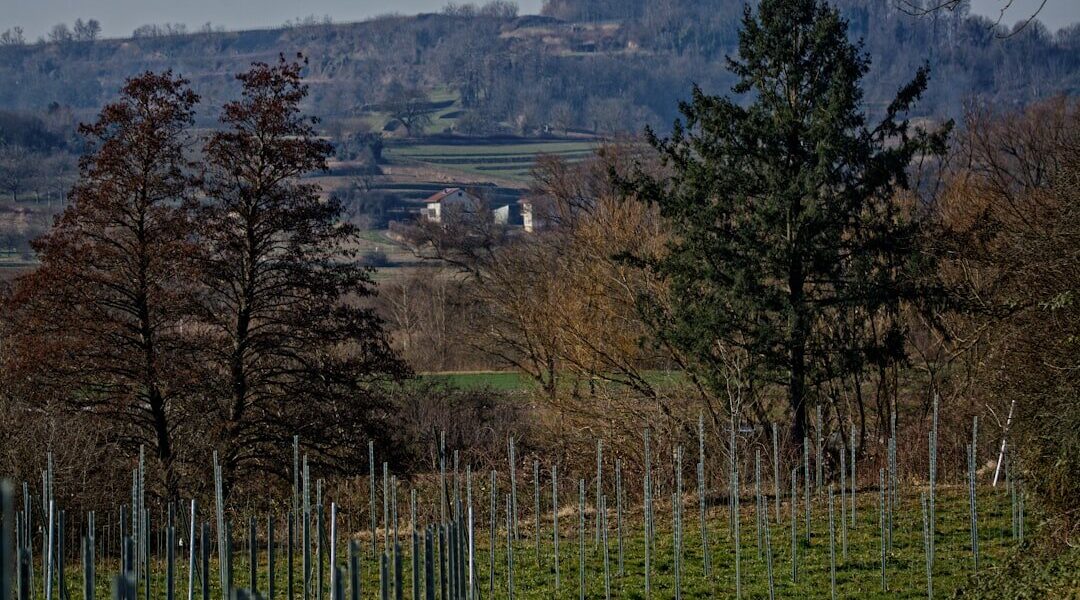
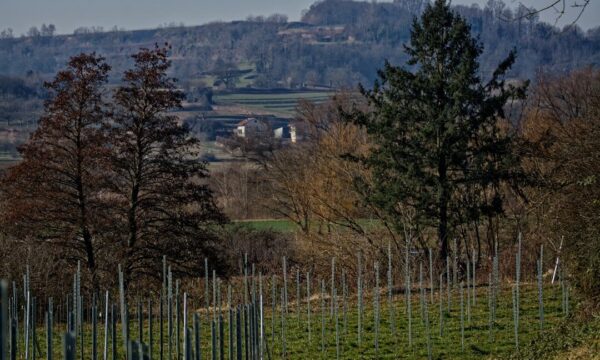
The Rheingau is Germany’s most aristocratic wine region — a compact, 3,200-hectare arc of vineyard where history and topography conspire in the vine’s favor. Shielded by the Taunus Mountains to the north, the region’s signature is its east-west river bend: the Rhine turns here to face south, tilting its slopes toward the sun from dawn until dusk.
From the medieval rose town of Eltville to the steep slate terraces of Rüdesheim and the high phyllite hills of Kiedrich, the Rheingau pairs deep wine history and Cistercian monastic architecture with some of Germany’s benchmark dry Grosses Gewächs (GG) cellars.
This guide maps the region’s greatest wine villages, its Grand Cru terroirs, its finest hiking routes, and the practical logistics of tasting here. Pair it with our Frankfurt Day Trip Planner and Rheingau Vintage Chart.
Rheingau Wine Village Directory & Terroir Profile
| Wine Village | Geology & Soil Type | Grand Cru (Grosse Lage) Vineyards | Signature Style & Benchmark Estates |
|---|---|---|---|
| Kiedrich | Phyllite, weathered slate & quartzite (high altitude) | Gräfenberg, Turmberg, Wasseros | Laser-cut acidity, white blossom, peach, ethereal mineral tension. Weingut Robert Weil |
| Johannisberg | Loess, loam, and Taunus quartzite gravel | Schloss Johannisberg, Hölle, Klaus | Aristocratic elegance, yellow mirabelle, structured body, long cellar life. Schloss Johannisberg, Johannishof |
| Rüdesheim am Rhein | Steep Devonian slate & quartzite terraces | Berg Schlossberg, Berg Roseneck, Berg Rottland | Smoky, flinty, grapefruit zest, intense dry phenolic grip. Georg Breuer, Weingut Leitz, Dr. Nägler |
| Hattenheim & Erbach | Heavy calcareous loam, marl & loess | Marcobrunn, Wisselbrunnen, Nussbrunnen | Full-bodied power, ripe stone fruit, spicy mineral depth. Balthasar Ress, Schloss Schönborn |
| Oestrich-Winkel | Deep, moisture-retentive loess & clay | Schloss Vollrads, Doosberg, Lenchen | Generous orchard fruit, rounded texture, vibrant acidity. Schloss Vollrads, Peter Jakob Kühn, Fritz Allendorf |
| Rauenthal | Phyllite slate & deep loam (high elevation) | Baiken, Gehrn, Wülfen | Crystalline purity, spicy herbal nuance, high natural acidity. Kloster Eberbach, Albus |
Top 3 Scenic Vineyard Routes & Hiking Trails
1. The Rheinsteig Trail (Eltville → Kloster Eberbach → Johannisberg)
Distance: 14 km (moderate) | Duration: 4.5 hours.
This premier route climbs gently from the Electoral Castle in Eltville, through rose gardens and rolling vine hills, up to Kloster Eberbach. After touring the Romanesque abbey and tasting its monastic wines, continue along the forest edge through the walled Steinberg vineyard — Germany’s most famous Clos — to Schloss Vollrads and Schloss Johannisberg.
2. The Rüdesheimer Berg Panorama Trail (Rüdesheim → Assmannshausen)
Distance: 7 km (easy/moderate) | Duration: 2.5 hours.
Ride the Rüdesheim cable car up to the colossal Niederwalddenkmal monument, then walk through oak forest to the Niederwald chairlift, which glides down into Assmannshausen — the region’s historic red-wine village, celebrated for slate-grown Spätburgunder from the Höllenberg vineyard. Return to Rüdesheim by scenic KD Rhine passenger boat.
3. The Flötenweg Wine Hiking Path (Geisenheim to Hallgarten)
Distance: 10 km (easy) | Duration: 3 hours.
Marked with the traditional fluted Rheingau wine bottle symbol (Rheingauer Flöte), this gentle path links winery vinotheques, seasonal tasting kiosks (Weinprobierstände), and historic chapel viewpoints across the heart of the Rheingau.
Seasonal Travel Calendar: When to Visit the Rheingau
| Season | Months | Vineyard Conditions | Travel Pros & Logistics |
|---|---|---|---|
| Spring (Awakening) | April – May | Bud break, green shoots, wild orchard blossom. | Mild hiking temperatures (15–20°C); uncrowded cellars; release of newly bottled dry Gutsweine. |
| Summer (Festival Season) | June – August | Lush canopies, flowering, veraison. | Long daylight hours; open-air village wine festivals; courtyard dining at seasonal Straußwirtschaften. |
| Autumn (Harvest) | September – October | Golden foliage, hand-picking, pressing. | Electric harvest atmosphere; fresh cloudy Federweisser served with warm Zwiebelkuchen onion tart. |
| Winter (Cellar Season) | November – February | Dormant vines, frost, occasional snow. | Fireside tastings; library vintage releases; Eiswein harvest attempts on freezing nights (below -7°C). |
Frequently Asked Questions
What is the best base town for exploring the Rheingau?
u003cstrongu003eEltville am Rheinu003c/strongu003e is the most charming and practical base, with elegant boutique hotels, a riverside promenade, and direct RB10 train connections. u003cstrongu003eRüdesheimu003c/strongu003e offers lively nightlife and cable cars, while u003cstrongu003eKiedrichu003c/strongu003e and u003cstrongu003eJohannisbergu003c/strongu003e suit travelers seeking a quieter hillside vineyard retreat.
u003cstrongu003eWhat is a Rheingauer Straußwirtschaft?u003c/strongu003e
A *Straußwirtschaft* (or *Gutsschänke*) is a seasonal tavern run directly by the winemaker. By law, it may open for only a limited number of weeks each year, pouring estate-grown Rieslings alongside regional dishes like *Spundekäs* (seasoned cream cheese dip with pretzels) and *Handkäs mit Musik*.
Related Rheingau Guides & Resources
- Rheingau Wine Tour from Frankfurt: Day Trip Planner
- Best Rheingau Wine Producers: Robert Weil, Schloss Johannisberg & More
- Rheingau Riesling Vintage Chart: Ratings & Drink Windows
- How to Use Rheingau Riesling in Cocktails Without Wasting the Wine
- German Wine Tours & Regional Travel Directory
- Rheingau Wine Region Official Guide
Germany Rieslings Editorial Team
German Wine Editorial ReferenceResearched, structured, and fact-checked against official Deutsches Weininstitut (DWI) documentation, German Federal Wine Law (Weingesetz), and VDP.Die Prädikatsweingüter standards.