German Riesling Pairing by Mood & Occasion: A Dynamic Style Guide
Astrology makes for entertaining dinner-party banter, but choosing the right German Riesling demands something more precise: sensory chemistry. Residual sugar (g/L), tartaric acidity, alcohol by volume (ABV), and terroir texture tell you far more than any star chart.
German Riesling spans a vast spectrum—from taut, bone-dry, high-acid wines to concentrated noble-sweet bottlings. Choose by the meal, the occasion, and your desired sweetness and alcohol level. For deeper detail, consult our wine tools and German Riesling food-pairing guide.
Quick Decision Matrix: Match Your Mood to the Perfect Riesling
| Your Current Mood / Craving | Recommended Style & Region | Chemistry Profile | Ideal Culinary Match |
|---|---|---|---|
| 1. Laser-Sharp & Electrifying | Saar / Mosel Kabinett Trocken | <4 g/L RS | 8.5–10 g/L TA | 11.5% ABV | Fresh oysters, sushi, ceviche, goat cheese |
| 2. Comfort Food & Rich Feast | Pfalz / Rheingau Grosses Gewächs (GG) | 4–8 g/L RS | 6.5–7.5 g/L TA | 13.0% ABV | Wiener schnitzel, roast pork loin, herb roast chicken |
| 3. Fiery Spice & Street Food Craving | Nahe / Mosel Spätlese (Fruity) | 45–65 g/L RS | 8.0–9.5 g/L TA | 8.0% ABV | Thai green curry, Sichuan chili crisp, habanero tacos |
| 4. Contemplative & Intellectual | Mature Aged Riesling (10+ Years Old) | Tertiary TDN / Honey / Petrol notes | Pan-seared duck breast, wild mushroom risotto |
| 5. High-Energy Celebration | Winzersekt Brut / Extra Brut (Sparkling) | Traditional bottle fermented (9+ mo lees) | Tempura prawns, salted almonds, caviar blinis |
| 6. Cozy Fireside & Decadent Nightcap | Mosel / Rheingau Auslese or Eiswein | 80–140+ g/L RS | 9.0–11.0 g/L TA | 7.5% ABV | Roquefort, Stilton, apple strudel, tarte tatin |
1. The “Laser-Sharp & Electrifying” Mood
The Feeling: Mentally fried, overheated, or palate-fatigued. The last thing you want is heavy oak, buttery texture, or warm alcohol. What you need is voltage—a jolt of mineral tension to snap the palate back to attention.
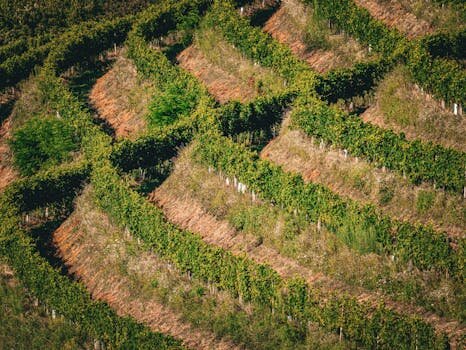
The Wine: Reach for a bone-dry Trocken grown on Devonian slate in the Saar, Ruwer, or Mittelrhein. Expect searing natural acidity (often 8.5–10.0 g/L) against barely-there residual sugar (under 4 g/L), with aromas of green apple, crushed lime, and wet stone. Benchmark names: Egon Müller, Peter Lauer, Weingut Ratzenberger.
2. The “Comfort Food & Hearty Dinner” Mood
The Feeling: Friday night, table full of friends or family. The menu runs to crisp-skinned schnitzel, roast pork belly with crackling, or herb-roasted poultry with root vegetables. You need a white with substance, grip, and real weight behind it.
The Wine: A VDP.Grosses Gewächs (GG) or a structured dry village bottling from the Pfalz (Mittelhaardt) or Rheinhessen (Wonnegau limestone). Grown on warm Buntsandstein, basalt, or Muschelkalk, these wines see extended lees contact and large-format oak aging (Stückfass)—the result is ripe apricot fruit, full body (12.5–13.5% ABV), and enough phenolic grip to cut clean through savory fat.
3. The “Fiery Spice & Takeout” Mood
The Feeling: Thai noodles, Sichuan mapo tofu, birria tacos loaded with habanero salsa, Indian butter chicken. High alcohol and heavy oak clash badly with chili heat—they amplify the burn rather than tame it.
The Wine: A classic fruity Kabinett or Spätlese from the Middle Mosel or Nahe. The physics are simple: sugar is lipid-soluble and binds to the capsaicin sitting on your pain receptors, cooling the burn, while a modest 8–9% ABV keeps alcoholic heat out of the equation entirely. Willi Schaefer, Dr. Loosen, and Selbach-Oster are reliable partners for spicy plates.
4. The “Contemplative & Geeky” Mood
The Feeling: A quiet evening alone, or with a fellow obsessive, watching a great white wine unfold over two hours in the glass.
The Wine: An aged single-vineyard (Einzellage) Riesling with 10 to 25 years of cellar time behind it—top vintages like 2012, 2007, 2005, or 2001 are a good place to start. As primary citrus fruit fades, mature Riesling unveils secondary aromas of beeswax, white truffle, ginger tea, candied lemon peel, and the famous kerosene note driven by TDN (1,1,6-trimethyl-1,2-dihydronaphthalene). Consult our Vintage Archive to find the optimal drinking window.
5. The “Celebration & Raw Bar” Mood
The Feeling: A toast, a holiday gathering, an afternoon shucking Kumamoto oysters and plating blinis with smoked salmon.
The Wine: A vintage Winzersekt—German sparkling wine made by the traditional method. Built from 100% estate Riesling and aged on the lees for 9 to 36 months (Klassische Flaschengärung), it delivers a razor-fine mousse, toasty brioche undertones, and mineral drive sharp enough to rival Champagne at half the price.
Four Practical Questions That Beat Horoscopes Every Time
Standing in front of a shelf or a restaurant list, ask these four objective questions and you’ll land on the right bottle in under thirty seconds:
- What is my sweetness tolerance tonight? Choose Trocken (dry, under 9 g/L RS), Feinherb (harmonious off-dry, 9–25 g/L), or Prädikat (Kabinett/Spätlese, fruity-sweet).
- What weight do I want on the palate? A lighter 7.5–11% ABV wine (Mosel, Saar, Mittelrhein), or a richer 12.5–13.5% ABV dry wine (Pfalz, Rheinhessen, Baden).
- What is on the plate? Match acidity against fat and brine; match residual sugar against spice and salt.
- Am I drinking now or cellaring? Gutswein is ready tonight. Grosses Gewächs and Auslese reward years of patience.
Frequently Asked Questions
Can I drink sweet Riesling with savory meals?
What glassware should I use based on wine style?
Related Guides & Tools
Germany Rieslings Editorial Team
German Wine Editorial ReferenceResearched, structured, and fact-checked against official Deutsches Weininstitut (DWI) documentation, German Federal Wine Law (Weingesetz), and VDP.Die Prädikatsweingüter standards.