German Riesling on Social Media: 7 Content Formats That Actually Help
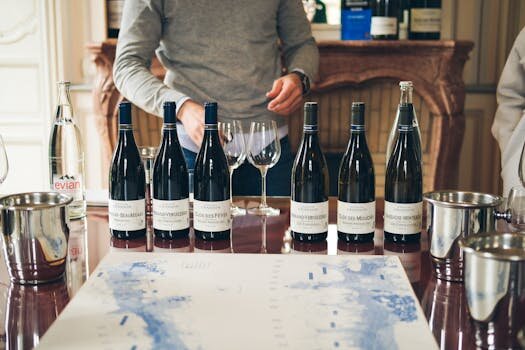
Table of Contents
- Quick answer: what kind of German Riesling content works best?
- 1. Label-decoding posts
- 2. Region-vs-region comparisons
- 3. One-bottle breakdowns
- 4. Serving and pairing posts
- 5. Myth-correction posts
- 6. Travel-context posts
- 7. Shelf and restaurant decision posts
- How to keep German Riesling social content accurate
- Who this approach is for, and who it is not for
- Sources
- Related reading
Direct Answer: 7 Useful German Riesling Social Media Formats
The best German Riesling posts solve one concrete problem for the reader. Seven formats do this reliably: label decoding, region comparisons, one-bottle breakdowns, serving and pairing, myth correction, travel context, and shelf or restaurant buying decisions. Check current platform analytics before assuming any format guarantees reach.
Here is the short version: German Riesling performs best on social media when a post answers one real question clearly. Strong posts decode a label, contrast Mosel with Pfalz, explain what Trocken actually means, or show how a bottle was served and paired. This guide is built for creators, retailers, importers, wineries, and educators who want German wine content that holds up. It is not a growth formula or a substitute for platform data. Where a claim depends on current facts, cite primary sources and show the bottle or label clearly.
Quick answer: what kind of German Riesling content works best?
The strongest formats are almost always the ones understood at a glance.
- Label decoding: Show the buyer exactly what they’re looking at on the bottle.
- Region contrast: Explain why Mosel, Rheingau, Pfalz, Nahe, and Rheinhessen taste distinct.
- Bottle context: State plainly whether the wine is dry, off-dry, lighter, richer, or a single-vineyard bottling.
- Serving and pairing: Give one specific use case rather than generic praise.
- Myth correction: Fix one misunderstanding at a time.
1. Label-decoding posts
These posts tackle the biggest barrier head-on: most buyers still can’t parse a German wine label.
- Show the front label in close view.
- Explain the region, village, style term, and producer in under a minute.
- Use on-screen text for terms like Mosel, Trocken, Kabinett, Spätlese, or GG (Grosses Gewächs).
Best for:
- Shops and educators guiding a first purchase.
- Creators seeking evergreen content instead of short-lived trend posts.
2. Region-vs-region comparisons
German Riesling clicks once viewers grasp that place shapes style. This format works because it hands people a decision shortcut.
- Compare Mosel vs. Pfalz, Rheingau vs. Mosel, or Nahe vs. Rheinhessen.
- Limit each region to one clear sentence.
- Show the bottles side by side when possible.
Best for:
- Tasting-room explainers.
- Carousels and short-form video built on split-screen structure.
3. One-bottle breakdowns
A single bottle can anchor a strong post if the explanation is specific. The goal isn’t to rank the wine — it’s to make the bottle legible.
- Open with the kind of drinker the bottle suits.
- State sweetness level and general structure first.
- Add an origin detail only if it changes the buyer’s expectation.
Best for:
- Retail shelves.
- Restaurant by-the-glass programs.
- Creator reviews aiming to skip vague tasting-note filler.
4. Serving and pairing posts
Readers often need a use case more than a history lesson. Serving and pairing content earns its keep by staying practical.
- Show serving temperature, glassware, and one dish that genuinely fits.
- Use concrete examples: roast chicken, sushi, pork, spicy food, soft cheese.
- Never claim the wine pairs with “everything.”
Best for:
- Email and social cross-posting.
- Restaurant and importer education.
- Quick “what should I open tonight?” content.
5. Myth-correction posts
This remains one of the cleanest formats because the same misunderstandings keep resurfacing.
Useful myths to correct:
- Not all German Riesling is sweet.
- Trocken is a style cue, not a quality grade.
- A famous Einzellage name means little without knowing the producer.
- A higher price doesn’t always signal a sweeter or “better” wine.
Best for:
- Short-form video hooks.
- Carousel posts with one myth per slide.
6. Travel-context posts
German Riesling isn’t only a bottle database. Travel context makes the wine easier to remember.
- Tie a wine to the region it comes from.
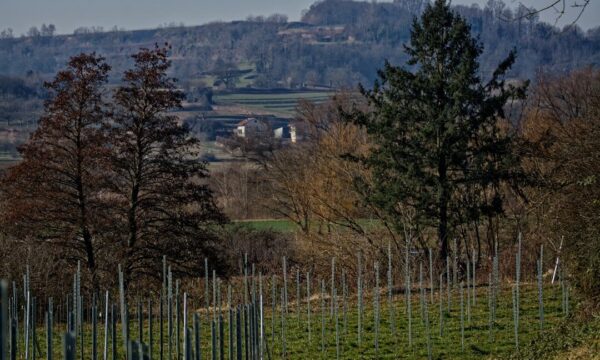
- Show river valleys, slope angles, village settings, or vineyard access.
- Use travel footage to support the wine explanation, not replace it.
Best for:
- Region guides.
- Winery visits.
- Tourism storytelling tied to actual bottles.
7. Shelf and restaurant decision posts
Sometimes the fastest content is the most useful: help the viewer choose between two or three real options.
- “Choose this if you want dry and structured.”
- “Choose this if you want lighter and lower-alcohol.”
- “Choose this if you want to understand classic Mosel first.”
Best for:
- Retail teams.
- Sommeliers.
- Creator content built around buying decisions rather than abstract education.
How to keep German Riesling social content accurate
Every post should answer a real question — but every factual claim still needs to hold up.
- Keep the bottle in frame whenever possible.
- Favor primary sources for region and grape facts.
- Flag time-sensitive claims, such as acreage, exports, and vintage-specific notes.
- Never invent platform metrics, reach numbers, or trend labels you can’t verify.
- Don’t use “best” unless you define the criteria.
Who this approach is for, and who it is not for
This playbook suits teams and creators who want useful wine content that still feels native to social media. It doesn’t suit accounts chasing trend cycles with invented numbers or generic wine hype.
Use it if:
- You want repeatable educational formats.
- You sell or pour real bottles.
- You need content that works across video, reels, carousels, and newsletters.
Skip it if:
- You need platform-specific growth forecasting.
- You want unsupported “viral” claims.
- You’re building content around a bottle you can’t identify clearly.
Sources
To see how younger demographics are redefining German wine appreciation, check out our report on Gen Z German Riesling culture and low-intervention styles.
Related reading
Germany Rieslings Editorial Team
German Wine Editorial ReferenceResearched, structured, and fact-checked against official Deutsches Weininstitut (DWI) documentation, German Federal Wine Law (Weingesetz), and VDP.Die Prädikatsweingüter standards.