2022 Okonomierat Rebholz Riesling Kastanienbusch Grosses Gewachs BIO
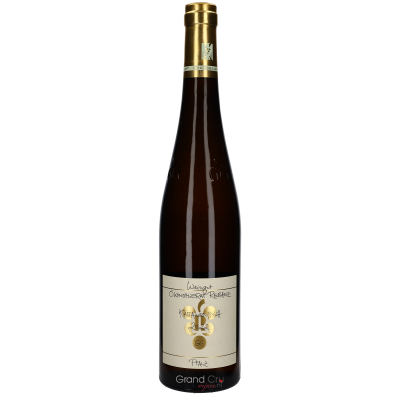
Wine Profile & Character
Kastanienbusch is one of the Südliche Weinstrasse’s most singular grand cru sites, a steep amphitheater of vines rising above Birkweiler where weathered red sandstone gives way to bands of volcanic porphyry and streaks of blue slate-like schist. This geological patchwork is rare in the Pfalz, and it lends wines from this cru a taut, mineral-driven backbone rarely matched elsewhere in the region. The estate’s biodynamic-leaning, certified organic farming emphasizes low yields, hand harvesting, and minimal cellar intervention, allowing the vineyard’s fractured stone and cool, wind-exposed microclimate to speak with clarity. Old vine material planted on the site’s steepest pitches contributes concentration without heaviness, a hallmark of the estate’s Grosses Gewächs bottlings.
On the nose, the wine opens with white peach, quince, and crushed stone, followed by a saline, smoky undertone reminiscent of struck flint and wet slate. Aeration reveals delicate florals — chamomile and linden blossom — alongside citrus oil and a faint herbal bitterness typical of porphyry-grown Riesling. The palate is dense yet precise, with a chiseled acid spine that drives a long, linear structure through ripe orchard fruit, pink grapefruit pith, and a distinctly saline minerality. Texturally, there’s a phenolic grip on the mid-palate that adds gravity, while the wine’s dry extract lends a chalky, almost tactile weight without any sense of heaviness.
2022 was a vintage of both ripeness and freshness in the Pfalz, and this GG reflects that duality — concentrated fruit matched by racy acidity that should ensure a long developmental arc. Over the next three to five years, the wine will shed some of its primary fruit intensity in favor of deeper tertiary complexity: petrol, dried herbs, and honeyed stone notes. Given the site’s structural intensity, this bottling rewards patience, with true harmony likely emerging after 2028 and persisting for well over a decade.
Sourced Profile
Compiled from producer and published descriptions, not a firsthand tasting by our team.
Appearance: Pale lemon-gold with a bright, greenish rim and pristine, brilliant clarity.
Aromas & Bouquet: White peach, quince, and wet slate lead, framed by a smoky, flinty minerality typical of Kastanienbusch's volcanic porphyry soils. Subtle florals — chamomile and linden — emerge with air, alongside a whisper of citrus zest and herbal bitterness.
Palate & Structure: Dense yet precise, with a chiseled acid spine driving orchard fruit, grapefruit pith, and saline minerality across a long, linear frame. A distinct phenolic grip on the mid-palate lends gravity, while dry extract provides a chalky, textural weight balanced by vivid freshness.
Finish & Longevity: The finish is long, saline, and mineral-driven, with lingering stone fruit and a faint bitter almond note that reinforces the wine's structural seriousness.
Food Pairings
Pair with grilled langoustines or scallops, where the wine's saline minerality echoes the seafood's brine. Roast veal with morel cream sauce complements the wine's textural richness, while a dish of white asparagus with hollandaise draws out its herbal, citrus-oil notes. For a bolder match, try aged Comté, whose nutty depth resonates with the wine's phenolic grip and mineral core.
Cellaring & Ageability
Best enjoyed 2027–2040, with a resting phase through 2026 recommended to allow initial tension to integrate. Expect the wine to gain textural richness and tertiary complexity — honeyed stone fruit, petrol, and dried herbs — while retaining its structural spine for well over a decade.