2022 Weingut Wittmann Morstein Riesling Trocken Grosses Gewächs BIO
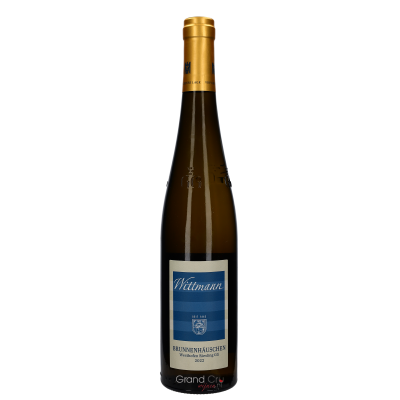
Wine Profile & Character
The Morstein vineyard stands as one of Rheinhessen‘s most decorated crus, a limestone-and-clay amphitheater near Westhofen that Philipp Wittmann has farmed biodynamically since the early 2000s, well before organic certification became fashionable among his peers. The subsoil here is a heavy, calcareous clay laced with fossilized shell deposits, a geology that lends structure and a distinctive saline undertow rarely found elsewhere in the region. Wittmann’s approach favors low intervention: spontaneous fermentation, native yeasts, and extended lees contact allow the site to speak with minimal winemaking artifice. The vines, many now several decades old, are trained to yield sparingly, concentrating the fruit while preserving the tension that defines top-flight Morstein bottlings.
On opening, the 2022 unfurls slowly, offering white peach, quince, and a chalky, wet-stone minerality that frames rather than dominates the fruit. There are secondary notes of lemon verbena, crushed chamomile, and a faint smokiness reminiscent of struck flint. The palate is dense yet linear, carried by a spine of racy, laser-cut acidity that Wittmann has increasingly favored in warmer vintages to maintain freshness. Texturally, the wine shows a broad, almost creamy midpalate, a result of extended lees aging, before tightening into a mineral-driven, saline finish. Flavors evolve from ripe orchard fruit to a more austere, stony character as the wine breathes, suggesting real complexity beneath its youthful reserve.
2022 was a vintage of surprising equilibrium in Rheinhessen, marked by warm days and cool nights that preserved acidity despite advanced ripeness. This Grosses Gewächs will benefit enormously from patience: its structure is built for the long haul, and the interplay between fruit, acid, and limestone-derived minerality will only sharpen with time. Expect the wine to enter a more expressive, textural phase after five to seven years, with tertiary notes of beeswax, dried herbs, and petrol slowly emerging alongside the persistent saline core.
Sourced Profile
Compiled from producer and published descriptions, not a firsthand tasting by our team.
Appearance: Pale straw-gold with a bright, greenish rim and pristine, brilliant clarity.
Aromas & Bouquet: An intricate bouquet of white peach, quince, and lemon verbena layered over a distinct wet-stone minerality. Subtle floral notes of chamomile and honeysuckle emerge with aeration, alongside a faint flinty smokiness that hints at the vineyard's calcareous soils.
Palate & Structure: Dense and linear, the palate opens with a creamy midpalate texture from extended lees contact before tightening into a taut, mineral-driven frame. Flavors of ripe orchard fruit, citrus pith, and crushed chalk unfold in succession, propelled by a vivid, almost electric acidity that never overwhelms the fruit's natural richness. There's a compelling tension throughout between generosity and restraint.
Finish & Longevity: The finish is long and saline, with a fine phenolic grip that lends structure without bitterness. Notes of wet stone and citrus zest linger well after the last sip.
Food Pairings
This wine pairs beautifully with pan-seared turbot in a beurre blanc, where its acidity cuts through the richness of the butter sauce. Roasted veal with morel mushrooms echoes the wine's earthy, mineral undertones. A classic Alsatian choucroute or Vietnamese pho with fresh herbs would also find harmony with its bright acidity and textural depth. For cheese, a young Comté highlights the wine's saline finish beautifully.
Cellaring & Ageability
Drink 2027–2045, with the wine entering a richer, more textural phase after five to seven years in bottle. Expect tertiary notes of beeswax, dried herbs, and petrol to emerge gradually, layered atop the enduring mineral backbone.