2021 Weingut Lorenz & Söhne Tatort Rosenberg Grauer Burgunder
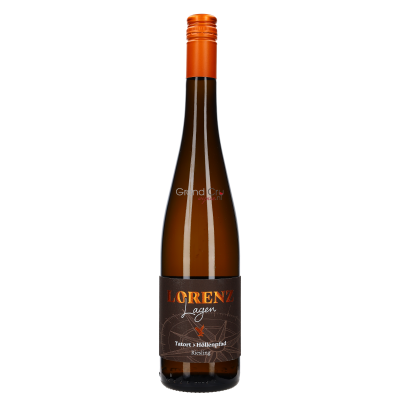
Wine Profile & Character
The Rosenberg site farmed by Weingut Lorenz & Söhne sits among the lesser-heralded but geologically fascinating parcels of the Nahe, a region whose patchwork of soils rewards attentive, small-scale viticulture more than almost anywhere else in Germany. Here the vineyard’s volcanic substrate — remnants of ancient porphyry and melaphyr flows that define much of the middle Nahe — lends a mineral backbone rarely found in Grauer Burgunder grown on the heavier loess and marl typical of Baden or the Pfalz. The estate practices careful canopy management and restrained yields, allowing the Pinot Gris to retain freshness even in a warm growing season, while low intervention in the cellar preserves the transparency of site over stylistic embellishment. The result is a Grauer Burgunder that speaks with unusual candor about where it was grown, rather than defaulting to the broad, waxy anonymity that can plague the variety elsewhere.
In the glass, this 2021 offers a nose that opens gradually — quince, ripe pear, and a whisper of toasted hazelnut give way to a stony, almost smoky undertone that betrays the volcanic ground beneath the vines. On the palate, the wine carries real textural weight without heaviness, its phenolic grip and lees-derived creaminess held in check by a taut spine of acidity uncommon for the variety. Flavors unfold in layers: orchard fruit and light spice in the front, a saline minerality through the mid-palate, and a faint bitter almond note that lingers into the finish, giving the wine a savory, food-oriented character rather than the flabby richness Grauer Burgunder can sometimes fall into.
The cooler undercurrents of the 2021 vintage in the Nahe — a year marked by a slow, extended ripening period — have given this wine unusual poise, with acidity intact enough to reward patience in the cellar. Over the next several years, expect the fruit to recede slightly in favor of deeper mineral and nutty tones, the texture rounding further while the volcanic imprint becomes more pronounced. This is a wine built for the mid-term rather than fleeting early consumption.
Sourced Profile
Compiled from producer and published descriptions, not a firsthand tasting by our team.
Appearance: Pale straw-gold with a faint copper glint at the rim, brilliant and clear, hinting at the extended skin contact typical of well-made Grauer Burgunder.
Aromas & Bouquet: Ripe pear, quince, and white peach lead, framed by a subtle toasted hazelnut note and a smoky, flinty undertone drawn from the volcanic soil. With air, a faint honeyed floral quality emerges, adding lift to the otherwise earthbound bouquet.
Palate & Structure: Full-bodied yet precise, the wine carries a creamy, almost textural weight balanced by a firm, saline acidity rarely seen in warmer-climate Pinot Gris. Orchard fruit and light spice dominate the entry, softening into a stony mid-palate that speaks directly of the Rosenberg's volcanic ground. A faint bitter almond note threads through the back half, adding structure and savory depth.
Finish & Longevity: Long and mineral-driven, with a lingering salinity and gentle phenolic grip that dries the palate pleasantly rather than aggressively.
Food Pairings
Pair with pan-seared scallops in brown butter, where the wine's nutty, saline character mirrors the dish. Roast chicken with root vegetables complements its textural richness, while a creamy mushroom risotto plays beautifully against its earthy, volcanic minerality. For a bolder match, try aged Alpine cheeses like Comté, which echo the wine's toasted, savory finish.
Cellaring & Ageability
Drink 2024 through 2032, with the wine likely reaching a particularly expressive plateau around 2027–2029. Expect the fruit to deepen into dried orchard and nut characters, while the mineral core sharpens with time in bottle.