2021 Weingut Lorenz & Söhne Tatort Paradies Riesling
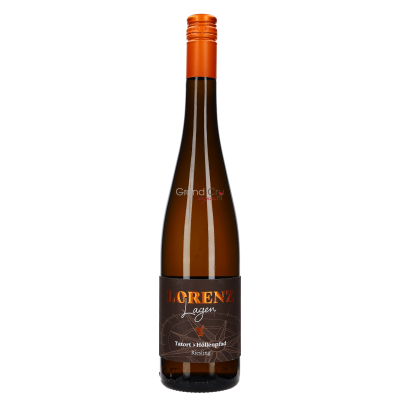
Wine Profile & Character
The Tatort Paradies site sits among the lesser-heralded parcels of the Nahe, a region whose reputation rests on the interplay of fractured slate, volcanic porphyry, and gravelly loess that runs along the river’s tributary valleys. While the exact coordinates of this particular “Paradies” parcel remain something of a local secret, the naming convention is telling: growers in this part of Germany reserve such honorific plot names for sites that consistently ripen with unusual precision, often owing to a favorable southern exposure and free-draining subsoil that stresses the vine just enough to concentrate flavor without sacrificing acidity. Weingut Lorenz & Söhne farms here with a restrained hand, favoring low intervention in the cellar and a harvest window that trusts phenolic ripeness over sugar accumulation alone, a philosophy very much in step with the Nahe’s finest producers.
In the glass, this Riesling opens with a nose that moves from white orchard fruit into something more mineral and saline as it warms, a hallmark of sites where slate or quartzite runs beneath the topsoil. Green apple, quince, and a whisper of white flowers give way to a citrus-pith bitterness that frames the fruit rather than dominating it. On the palate, the acid structure is taut but not aggressive, a spine of lime-inflected brightness that carries the wine’s compact fruit through a long, precise mid-palate. Texturally there is a chalky, almost tactile grip, and the finish resolves into wet-stone salinity rather than sweetness, marking this as a wine built for food and patience rather than immediate indulgence.
2021 was a vintage defined by a cool, slow growing season across the Nahe, producing wines of unusual tension and lower alcohol, and this bottling reflects that character in its restraint and linearity. Over the next several years in bottle, expect the primary orchard fruit to recede in favor of deeper honeyed and petrol-tinged complexity, while the acid backbone ensures the wine will hold its shape well into the next decade.
Sourced Profile
Compiled from producer and published descriptions, not a firsthand tasting by our team.
Appearance: Pale lemon-gold with a faint greenish rim, brilliant clarity, and fine, slow-moving legs that hint at the wine's dense extract.
Aromas & Bouquet: An initial burst of green apple and white peach settles into notes of quince paste and jasmine, with a mineral undertone of wet slate emerging as the wine opens. A subtle citrus zest lift keeps the bouquet from feeling heavy, while a faint smoky flint note suggests the site's stony subsoil.
Palate & Structure: Bright, precise, and linear, the palate delivers a core of lime and green apple over a chalky mineral frame. Acidity is firm but well-integrated, giving the wine a taut, almost saline drive through the mid-palate. Layers of citrus pith and orchard fruit unfold gradually, finishing with a faint touch of white pepper.
Finish & Longevity: The finish is long and mineral-driven, with a persistent salinity and light phenolic grip that lingers well after the fruit has faded. A final flourish of citrus zest closes the experience with clarity rather than sweetness.
Food Pairings
This Riesling's bright acidity and mineral spine make it an ideal match for pan-seared trout with brown butter and capers, where the wine's saline finish echoes the dish's savory notes. It also pairs beautifully with Vietnamese summer rolls or a citrus-dressed ceviche, where its zesty structure cuts through richness and complements fresh herbs. For a heartier match, try it alongside roasted chicken with lemon and thyme, letting the wine's acidity balance the dish's fat content.
Cellaring & Ageability
Best enjoyed between 2024 and 2034, this wine will gain complexity and honeyed depth as its primary fruit recedes into more tertiary, petrol-tinged notes. Its firm acid backbone ensures a graceful, long evolution rather than early decline.