Geheimer Rat Dr. von Bassermann-Jordan
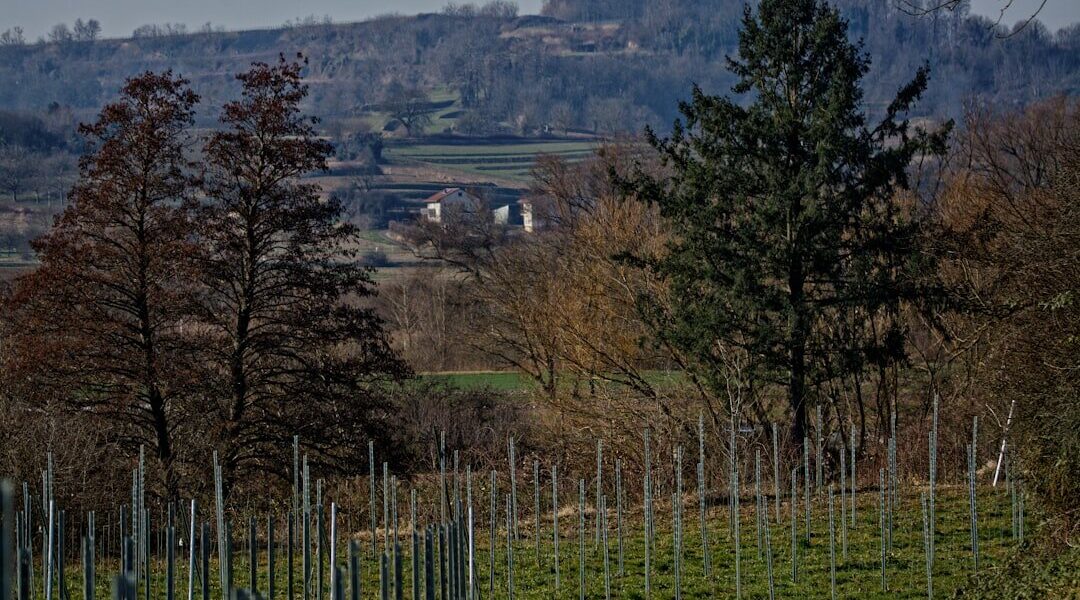
Estate Overview & Philosophy
Estate Overview
Founded in 1718 in Deidesheim, Weingut Geheimer Rat Dr. von Bassermann-Jordan is one of the most storied names in German wine. For three centuries the estate has set a benchmark for quality in the Pfalz, its history bound up with the rise of German fine wine itself.
Bassermann-Jordan is one of Deidesheim’s legendary “Three Vons” — alongside von Buhl and von Winning — the aristocratic estates whose 19th-century vineyard classifications laid the groundwork for today’s site hierarchy. A founding member of the Verband Deutscher Prädikatsweingüter (VDP) since 1910, the estate has held to one mission: to translate the singular character of the Pfalz’s finest terroirs into wines of clarity, tension, and longevity (source: Wikipedia).
Today the estate is guided by the Niederberger family, with winemakers Ulrich Mell and Dominik Leyers overseeing roughly 50 hectares of vines. The historic vinothek and cellar rooms in Deidesheim remain open for tastings, guided tours, and private events by arrangement (source: Bassermann-Jordan).
Legendary Vineyard Sites
Bassermann-Jordan’s reputation rests on an extraordinary portfolio of VDP.Grosse Lage vineyards in Forst, Deidesheim, and Ruppertsberg — among Germany’s most celebrated Riesling terroirs:
- Forster Kirchenstück – a small, historic parcel encircling the village church, prized for its power and mineral density.
- Forster Jesuitengarten – basalt-rich soils yielding wines of exceptional richness and spice.
- Forster Ungeheuer – deep, warm basalt soils producing broad, structured, age-worthy Rieslings.
- Deidesheimer Hohenmorgen – steep slopes marked by Buntsandstein and limestone, giving elegant, aromatic wines with fine acidity.
- Ruppertsberger Reiterpfad – sandy loam and gravel that produce lighter-footed, fragrant Rieslings of great charm.
Each Einzellage is vinified separately to preserve its individual fingerprint, allowing collectors to trace the diversity of Pfalz terroir glass by glass.
Viticulture and Cellar Philosophy
The estate farms organically and sustainably across its vineyards, with strictly controlled low yields and entirely hand-harvested fruit. Grapes are picked selectively over multiple passes to ensure optimal ripeness and purity, with Oechsle levels tracked closely to determine Prädikat and style.
In the cellar, fruit is gently whole-cluster pressed, and fermentation proceeds spontaneously with native yeasts — a deliberate choice to let each vineyard’s mineral identity speak clearly in the glass.
Wines mature either in traditional 1,200-liter Stückfass casks or in temperature-controlled stainless steel, depending on site and style, followed by extended lees aging to build texture and depth without masking terroir transparency.
Signature Wines
Bassermann-Jordan’s calling card is its range of VDP.Grosses Gewächs dry Rieslings — powerful, mineral, age-worthy Trocken wines from the Grosse Lage vineyards of Forst and Deidesheim, ranking among Germany’s most collected dry whites.
Alongside these stand exquisitely delicate Prädikatswein Rieslings — Kabinett, Spätlese, and occasional Auslese — balancing crystalline acidity with nuanced sweetness, a style for which Bassermann-Jordan has been celebrated since its earliest days.
Viticulture & Cellar Practices
Farming Practices: Organic & sustainable viticulture, strictly low yields, selective hand picking
Vinification Philosophy: Spontaneous native yeast fermentation, traditional 1200L Stückfass oak casks and temperature-controlled stainless steel, extended fine lees aging
Benchmark Wines from Geheimer Rat Dr. von Bassermann-Jordan
Explore our wine catalog for available vintages.